
Last updated: July 6, 2026
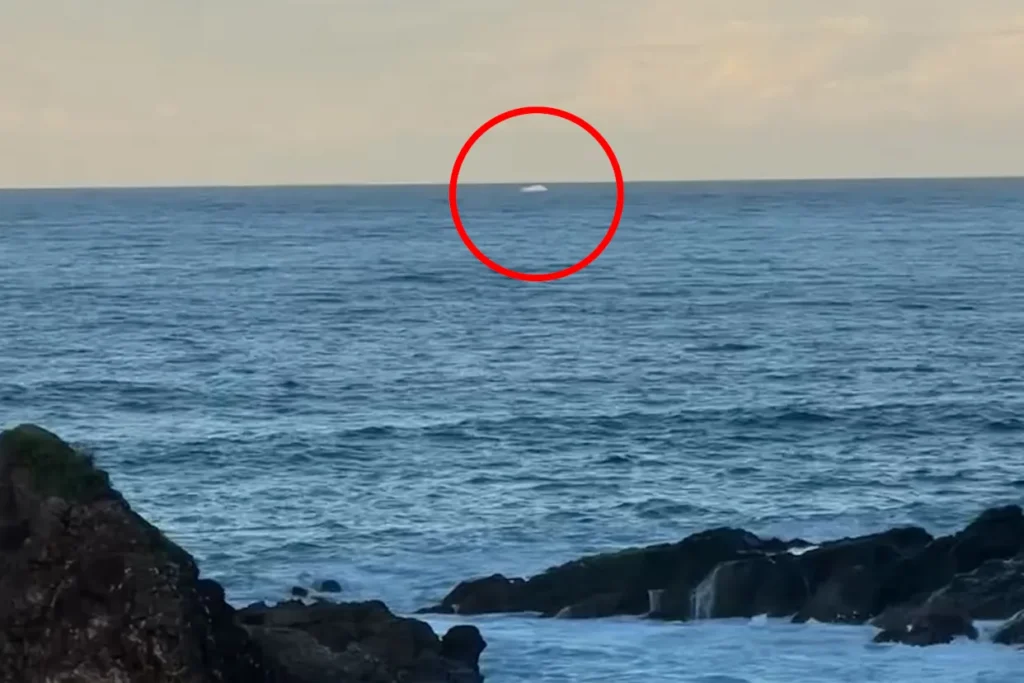
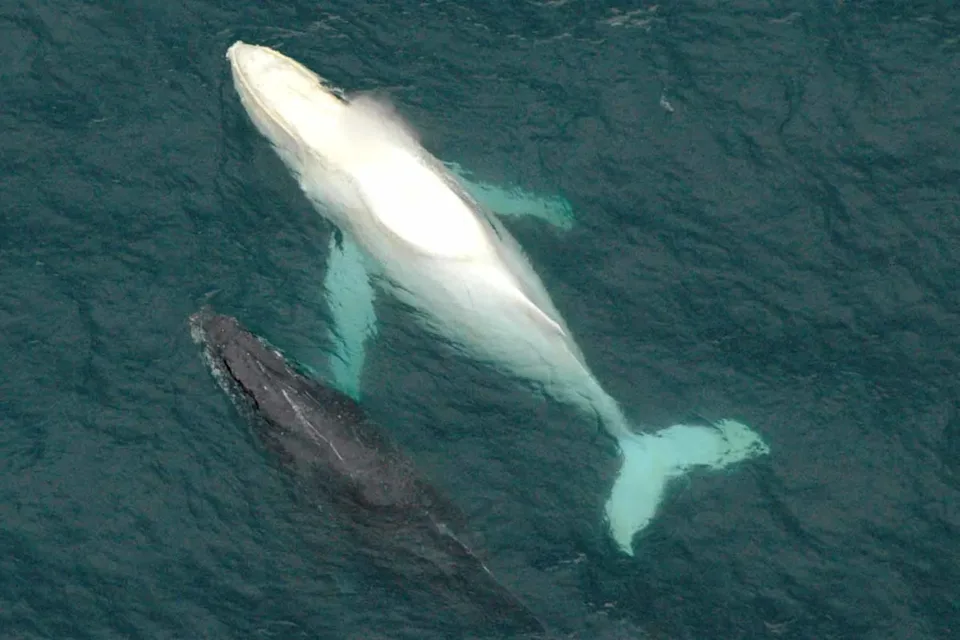
A possible sighting of Migaloo, Australia’s famous white humpback whale, has renewed interest among marine researchers after an experienced whale observer reported seeing a completely white whale off the New South Wales coast. The sighting has not been officially confirmed, but experts say the report is credible enough to warrant further investigation during this year’s annual humpback whale migration. Migaloo was last officially confirmed in Australian waters in 2020, making this one of the most significant reports in recent years.
Experienced observer reports rare white whale near Port Macquarie
The whale was spotted late Wednesday morning near Tacking Point Lighthouse, about 2 kilometres offshore from Port Macquarie on the NSW Mid North Coast. According to the observer, the white whale was travelling north beside another humpback as thousands of whales continue their annual migration from Antarctic feeding grounds to warmer breeding waters.
The sighting was reported by veteran whale watcher Leigh Mansfield, who has encountered Migaloo several times over the past three decades. Mansfield observed the whale through binoculars for around 30 minutes and believes there is a 90 to 95 percent chance it was Migaloo. However, because no clear photographs or video were obtained, he has not described the encounter as an official confirmation.
Why marine scientists are paying close attention
Marine scientist Dr Vanessa Pirotta from Macquarie University says the report deserves careful consideration because it came from one of Australia’s most experienced whale observers. Even so, researchers require clear photographic evidence before confirming the whale’s identity.
Scientists compare body markings, pigmentation, scars and the shape of the dorsal fin with previous records to identify individual humpback whales. Until those details can be verified, the sighting remains an important but unconfirmed report.
Other white humpback whales can look remarkably similar
Migaloo is not the only unusually pale humpback whale seen in Australasian waters. Researchers have documented several white or partially white humpbacks in recent years, including whales believed to have originated from breeding grounds near Tonga.
Weather conditions and viewing angles can make identification difficult. A humpback exposing its light-coloured underside or surfacing in bright sunlight can appear almost entirely white from a distance, which is why scientists rely on high-quality photographs rather than eyewitness accounts alone.
Why Migaloo remains important to whale research
First identified near Byron Bay in 1991, Migaloo became one of the world’s best-known humpback whales because of his rare white colouring. Decades of sightings have helped researchers study migration timing, travel routes and long-term survival of humpback whales along Australia’s east coast.
Although humpback whale numbers have recovered significantly since commercial whaling ended, marine mammals continue to face threats including vessel strikes, fishing gear entanglement, underwater noise and changing ocean conditions. Every verified sighting helps scientists improve long-term conservation efforts.
Protection rules remain in place for white whales
Wildlife experts say public interest in Migaloo highlights the importance of responsible whale watching. Rare whales often attract boats, drones and photographers, increasing the risk of disturbing animals during migration.
Australian regulations provide additional protection for predominantly white whales. Boats and other watercraft must stay at least 500 metres away, while aircraft and drones are subject to strict approach limits designed to minimise disturbance.
Anyone who believes they have photographed a white humpback whale is encouraged to report the sighting to conservation groups with the location, time and supporting images while maintaining the required legal distance.
If the whale continues travelling north, observers along the New South Wales and Queensland coastline may have another opportunity to capture clearer photographs. Those images would allow researchers to compare the whale with existing identification records and determine whether Australia’s iconic white humpback has returned or whether the animal is another rare white whale.
The annual humpback migration will continue over the coming weeks, providing more opportunities for scientists and citizen observers to monitor whale movements. For more on recent marine wildlife events affecting Australia’s coastline, see our report on the Bells Beach whale carcass that triggered shark warnings. Official information on whale conservation, protected species and responsible whale watching is available from the Australian Government Department of Climate Change, Energy, the Environment and Water.

Make Swikblog your go-to source on Google for reliable updates, smart insights, and daily trends.