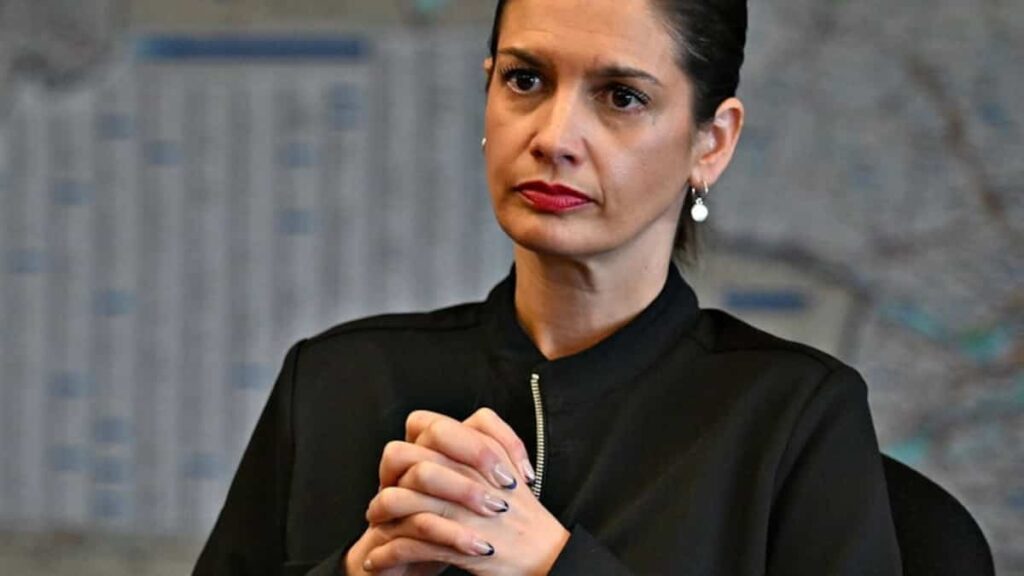

Geneviève Guilbault has announced she is stepping away from political life, triggering a surge of questions across Quebec. The senior minister confirmed the decision in recent statements, but key details about timing and what comes next are still emerging.
The announcement immediately pushed her name to the top of search trends in Canada, as voters, political watchers and public servants tried to understand why one of Quebec’s most recognisable political figures is leaving — and what the decision means for the province.
What Geneviève Guilbault Said About Leaving Politics
In remarks reported by multiple Quebec media outlets, Geneviève Guilbault confirmed her intention to step away from political life, signalling the end of a long and highly visible chapter in provincial politics.
While her statement stopped short of laying out every detail, she made it clear that the decision was deliberate and personal. She emphasised that the timing felt right after years of intense public responsibility, and that she wanted to focus on life beyond elected office.
Importantly, there has been no indication of scandal or sudden controversy driving the move. Instead, the tone of her comments suggested reflection rather than crisis — a distinction that has shaped how the news has been received.
Why Her Decision Is Getting So Much Attention
Guilbault’s departure matters because of the role she has played in Quebec’s political landscape. Over the years, she became one of the most recognisable faces of government, frequently appearing at major announcements and during moments of public scrutiny.
For many Quebecers, her presence became closely associated with key policy files and government messaging. That visibility explains why her exit has generated immediate interest — not just among political insiders, but also among everyday readers searching for context.
This level of attention also reflects a broader pattern: when senior political figures step aside without an election or leadership contest attached, audiences instinctively search for answers about motivations and consequences.
Is This a Resignation or a Full Exit?
One of the most common questions trending alongside her name is whether this represents a temporary pause or a permanent exit from politics.
Based on what has been said so far, Guilbault is framing the move as a departure from political life rather than a short break. While politics is known for unexpected returns, there has been no suggestion that she plans to re-enter the arena in the near future.
That distinction is important, as it affects how parties, colleagues and potential successors respond in the coming weeks.
What Happens Next Inside Quebec Politics
Her decision now shifts attention to what comes next within Quebec’s government. Leadership responsibilities, portfolios and public-facing roles will need to be adjusted, either through an interim arrangement or a longer-term replacement.
For voters, the immediate impact may be limited, but behind the scenes, political dynamics can change quickly when a senior figure steps aside. Observers will be watching closely to see who fills the space she leaves and whether it reshapes internal priorities.
This moment also arrives at a time when public trust, leadership stability and political fatigue are frequent topics of discussion — making her exit feel especially significant.
Public Reaction and Why People Are Searching Now
Online reaction has been swift, with search interest spiking as soon as headlines broke. Much of the discussion has focused less on partisan debate and more on curiosity: why now, and why her?
This explains why searches such as “why Geneviève Guilbault is leaving politics” and “what happens next” have surged — readers want clarity, not speculation.
That same reader curiosity has driven traffic toward broader explainers about political transitions in Canada, including how leadership changes affect governance and public policy.
For related Canadian public-affairs coverage, you may also want to read this explainer on how political transitions can affect government decision-making: Canada politics and public affairs coverage.
Will Her Exit Change Anything for Voters?
In the short term, most Quebecers are unlikely to feel an immediate day-to-day impact. Government institutions are designed to continue functioning even as individuals move on.
However, over time, leadership changes can subtly influence tone, priorities and public communication. That is why political exits like this one tend to resonate beyond the headlines — they mark a shift, even if a gradual one.
The Bigger Picture
Guilbault’s decision highlights a reality often overlooked in political coverage: public office is demanding, highly visible and rarely static. Stepping away can be as consequential as stepping in.
As more details emerge about timing and succession, public attention is likely to remain high. For now, what is clear is that her announcement has struck a chord, prompting Quebecers to pause and reflect on leadership, continuity and change.
For official updates and broader context, readers can also consult coverage from major Quebec news organisations such as Radio-Canada and La Presse, which continue to report on developments surrounding the decision.

Make Swikblog your go-to source on Google for reliable updates, smart insights, and daily trends.