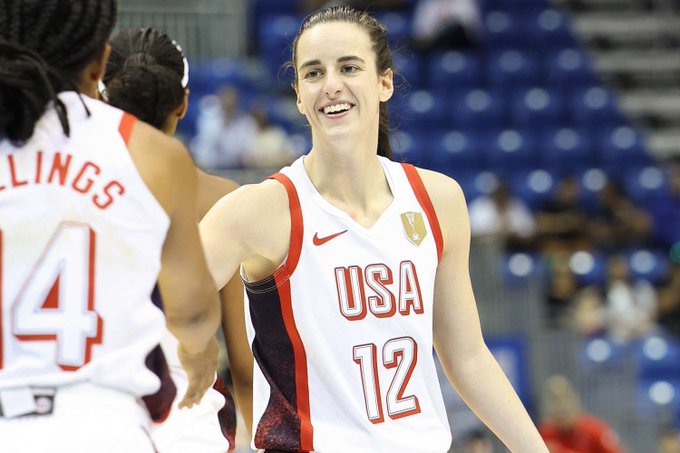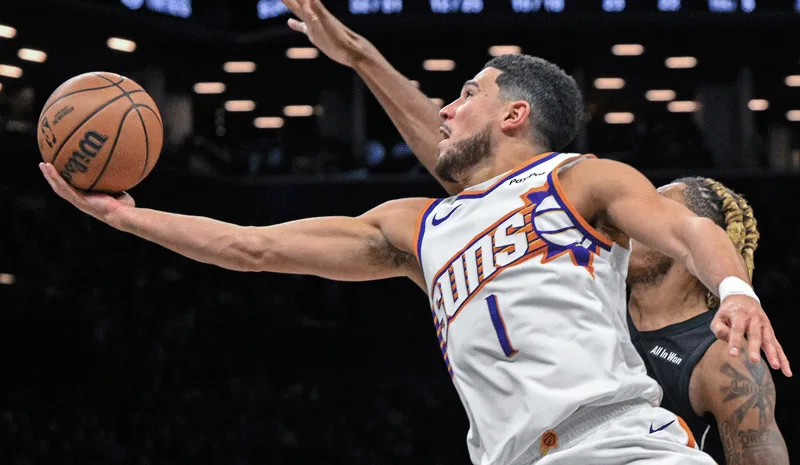
Philadelphia return home on the second night of a back-to-back as Phoenix arrive with rhythm, shooting confidence, and questions of their own.
By Swikriti | January 20, 2026
The Philadelphia 76ers (23–18) continue a demanding homestand on Tuesday night when they host the Phoenix Suns (26–17) at Xfinity Mobile Arena. It is a cross-conference matchup shaped by momentum, fatigue, and contrasting identities — Philadelphia leaning on defensive disruption and star power, Phoenix finding flow through spacing and shot-making. According to the 76ers’ official team page, Philadelphia have relied heavily on forcing turnovers and converting them into early offence during this stretch.
Both teams arrive on the second night of a back-to-back. The Sixers are coming off an emotionally charged home win over Indiana, while the Suns travel east after a confident road performance in Brooklyn. As highlighted in recent Suns game reports, Phoenix have leaned into ball movement and perimeter shooting to maintain consistency on short rest.
How to watch Sixers vs Suns
- Date: Tuesday, January 20, 2026
- Tip-off: 7:00 p.m. ET
- Venue: Xfinity Mobile Arena, Philadelphia
- TV: NBC Sports Philadelphia
- Radio: 97.5 The Fanatic; 76ers Mobile App
- Official game listing: NBA.com game centre
Philadelphia’s momentum: defence first, stars finishing
The Sixers enter this game with confidence after forcing 24 turnovers against Indiana, recording a season-high 18 steals in one of their most disruptive defensive performances of the year. Tyrese Maxey and Kelly Oubre Jr. were relentless at the point of attack, turning pressure into transition opportunities — a trend also noted in ESPN’s recent Sixers analysis .
Joel Embiid once again anchored the night. His 30-point performance marked the 200th 30-point game of his career, placing him second in franchise history. Beyond the milestone, Embiid’s ability to dictate pace — slowing possessions when necessary and drawing help in the paint — continues to shape Philadelphia’s offence.
The question for the Sixers is sustainability. On a back-to-back, minutes, recovery, and rotation discipline matter. If Embiid is managed conservatively, more responsibility shifts to Maxey’s perimeter creation and the Sixers’ ability to win possessions through defence rather than shot-making alone.
Phoenix’s balance: shooting, spacing, and shared scoring
Phoenix arrive having rediscovered their offensive rhythm. Against Brooklyn, the Suns knocked down 20 three-pointers and saw three players surpass the 20-point mark. According to ESPN’s Suns coverage , ball movement and spacing have been the defining features of this recent run.
Devin Booker remains the gravitational pull, even on quieter shooting nights. His presence opens space for others — most notably Dillon Brooks, who continues to provide physical scoring and edge, and Collin Gillespie, whose confidence has grown as Phoenix lean into lineup versatility.
The Suns’ challenge on the road is consistency. When their shot selection is disciplined, they can score in waves. When it slips, defensive lapses quickly follow — particularly against teams that thrive on forcing turnovers.
Injury context and rotation questions
Neither side arrives at full strength, and that reality gives this game a slightly unstable edge. Philadelphia are managing workloads carefully on the second night of a back-to-back, particularly after a high-intensity win in which their defensive pressure demanded heavy minutes from the core rotation.
Phoenix face a different kind of challenge. Their recent wins have come through balance rather than dominance, but lineup continuity remains fragile. As noted in NBA injury updates , minor absences can quickly disrupt spacing against aggressive defences like Philadelphia’s.
Key themes to watch
1. Turnovers versus spacing.
Philadelphia’s defence is designed to compress space and force rushed decisions. Phoenix’s offence relies on width
and ball movement to create clean shooting windows. Control here likely determines the game’s rhythm.
2. Pace management.
Back-to-backs often reveal themselves after halftime. Expect long half-court stretches if legs begin to fade,
with execution outweighing speed.
3. Closing lineups and trust.
With fatigue and availability in play, late-game decisions may matter more than star output.
Defensive communication and discipline will decide the final minutes.
What this game represents
For Philadelphia, this is about reinforcing identity — defence, control, and trusting their stars to close. For Phoenix, it’s a test of whether recent offensive balance travels against a team built to disrupt rhythm.
It may not define either season, but it will reveal how prepared both teams are to manage stress, fatigue, and detail as the schedule tightens.

Make Swikblog your go-to source on Google for reliable updates, smart insights, and daily trends.