
McDonald’s has launched one of its most ambitious marketing campaigns in years, bringing back the iconic Ronald McDonald after decades — and pairing that nostalgia with a high-stakes collectible system that is already generating massive buzz. The new “Cards” campaign in the UK combines trading card culture, influencer hype, and a prize pool exceeding £4 million, with one ultra-rare card offering an instant £10,000 reward.
This is not just another fast-food promotion. McDonald’s is tapping directly into collector communities, gamification trends, and nostalgia-driven marketing — a strategy that could significantly boost customer engagement, repeat purchases, and brand relevance in 2026.
What is McDonald’s “Cards” campaign
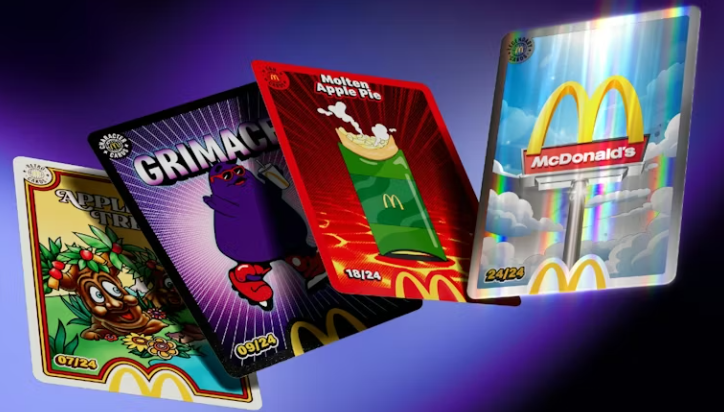
The campaign revolves around a set of 24 hand-illustrated collectible cards, divided into four categories:
- Characters
- Fans
- Retro
- Legendary
Each card transforms McDonald’s most recognizable elements — from mascots to menu items and brand rituals — into tradable collectibles. Customers can get these cards through specially designed “Cards meals”, with each pack also including a free food item.
Beyond collecting, the campaign is heavily incentive-driven. Customers gain access to a prize pool worth over £4 million, making it both a gaming experience and a reward system.
Ronald McDonald returns with a £10,000 jackpot twist
The biggest highlight of the campaign is the return of Ronald McDonald, a character that has been largely absent from marketing for nearly three decades. Instead of a full-scale comeback, McDonald’s has turned Ronald into the most exclusive part of the campaign.
A rare 25th card featuring Ronald McDonald has been introduced, but only 10 copies exist. Each one unlocks an instant £10,000 prize, creating a powerful scarcity effect that is driving excitement among both collectors and everyday customers.
This limited-drop strategy mirrors modern hype culture seen in sneakers, gaming, and trading cards — making it highly shareable and viral.
Built for collector credibility, not just casual fans
Unlike typical fast-food promotions, McDonald’s spent two years developing this campaign to ensure it resonates with real collector communities. The brand has taken several steps to build authenticity.
One of the most notable moves is its partnership with Ace Grading, allowing cards to be officially authenticated and graded — a crucial factor for serious collectors.
The campaign also made an early debut at the London Card Show, placing it directly in front of dedicated hobbyists before rolling out nationwide. This approach signals that McDonald’s is not just borrowing from collector culture — it is actively participating in it.
Influencer and creator-led rollout strategy
McDonald’s has also leaned heavily into creator culture to amplify the campaign. It collaborated with well-known collector creators Randolph and PokiChloe, who helped co-create and promote the campaign.
The rollout includes:
- Pack-opening content by influencers
- Community-driven hype campaigns
- Social media engagement across platforms
This strategy mirrors successful launches in gaming and trading card industries, where influencer participation plays a key role in building excitement and trust.
Full-scale marketing push across multiple channels
The campaign is supported by a massive multi-channel marketing effort, including:
- TV advertising (AV)
- Out-of-home (OOH) campaigns
- Radio promotions
- Social media activations
One of the standout elements is a 30-second hero film directed by Dan French. The ad moves through different generations of McDonald’s memories, showcasing how the brand has been part of people’s lives over time, before tying those moments into the collectible cards.
Additionally, McDonald’s has partnered with Hypebeast for a content series focused on the craftsmanship and design behind the cards, further strengthening its connection to youth and culture-driven audiences.
Experiential marketing: midnight launches and real-world hype
To push engagement even further, McDonald’s has introduced real-world activation strategies such as midnight restaurant launches. These events are designed to create excitement similar to product drops in fashion or gaming.
This blend of online hype and offline experience is crucial. It turns a simple meal promotion into a cultural event, encouraging participation beyond just buying food.
Why McDonald’s is betting big on nostalgia
Nostalgia has become a powerful marketing tool, especially among millennials and Gen Z. McDonald’s is leveraging its long history — from mascots to collectible merchandise like Coke glasses — and turning it into a modern engagement system.
According to the brand, the campaign is a celebration of its legacy, transforming familiar memories into something tangible and tradable. This approach not only strengthens emotional connections but also drives repeat visits as customers aim to complete their collections.
For more on McDonald’s broader brand strategy and campaigns, visit McDonald’s UK official site.
Competitive contrast: Burger King takes a different route
Interestingly, the campaign comes at a time when rival Burger King is taking a completely different approach. Instead of leaning into nostalgia, Burger King has launched a campaign acknowledging its past marketing failures, including its controversial “King” mascot.
This contrast highlights two very different strategies: McDonald’s is celebrating its legacy, while Burger King is reframing its past. Both aim to reconnect with audiences, but through opposite narratives.
Outlook: could “Cards” become the next Monopoly-style hit
The structure of the “Cards” campaign suggests that McDonald’s may be aiming for something bigger than a one-time promotion. The combination of collectibles, rewards, and cultural engagement could evolve into a long-term platform similar to its highly successful Monopoly campaigns.
If the campaign continues to generate hype, social sharing, and repeat customer behavior, it could become a recurring feature in McDonald’s marketing playbook.
For now, one thing is clear: by blending nostalgia, scarcity, and gamification, McDonald’s has created a campaign that not only captures attention but also drives action. And with only 10 Ronald McDonald jackpot cards in circulation, the hunt has already begun.

Make Swikblog your go-to source on Google for reliable updates, smart insights, and daily trends.