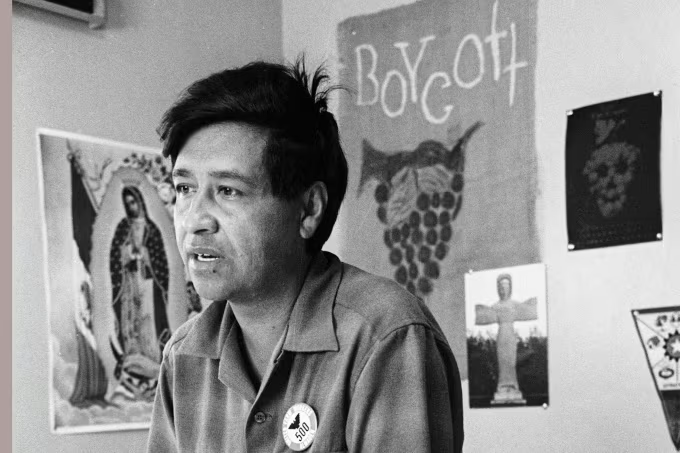

Serious allegations against Cesar Chavez are prompting renewed scrutiny of one of the most influential figures in American labor history, after new claims surfaced involving sexual abuse and misconduct spanning several decades.
The controversy has intensified following statements from Dolores Huerta, a central leader in the farmworker movement, who revealed that she experienced two separate sexual encounters with Chavez during the 1960s. In her account, one encounter involved pressure, while the other was described as forced, adding a deeply personal dimension to the broader allegations now under public discussion.
Huerta explained that she remained silent for decades, fearing that speaking out would harm the farmworker movement she had devoted her life to building. Her decision to share her experience now reflects a broader shift in how historical figures and long-hidden accounts are being reexamined in modern times.
Additional claims have emerged from women who allege they were abused as minors during Chavez’s leadership years in the 1970s. These accounts describe lasting emotional and psychological effects, including depression, anxiety, and years of silence driven by fear and the weight of Chavez’s public reputation.
The revelations have raised difficult questions about how to reconcile Chavez’s legacy as a civil rights icon with the seriousness of these accusations. For decades, he has been recognized for organizing farmworkers, advocating for better wages, and bringing national attention to labor conditions in California and beyond.
Organizations connected to Chavez have responded cautiously, acknowledging the severity of the allegations. Some have described the claims as deeply troubling and incompatible with their values, while also emphasizing the importance of supporting individuals who may have been harmed.
The discussion has also reignited long-standing concerns about power dynamics within influential movements, particularly when leaders hold significant authority over those working alongside them. Huerta’s account highlights the complexities faced by individuals who may feel unable to speak out due to loyalty, fear, or the potential consequences for a larger cause.
As more details continue to emerge, public attention remains focused on understanding the full scope of the allegations and their historical context. Readers are turning to authoritative investigative reporting to follow developments and assess the impact on Chavez’s legacy.
The unfolding situation underscores a broader cultural shift toward accountability and transparency, particularly when it comes to figures whose contributions have shaped social and political movements. The story continues to evolve, leaving many to grapple with the complexities of history, leadership, and truth.

Make Swikblog your go-to source on Google for reliable updates, smart insights, and daily trends.