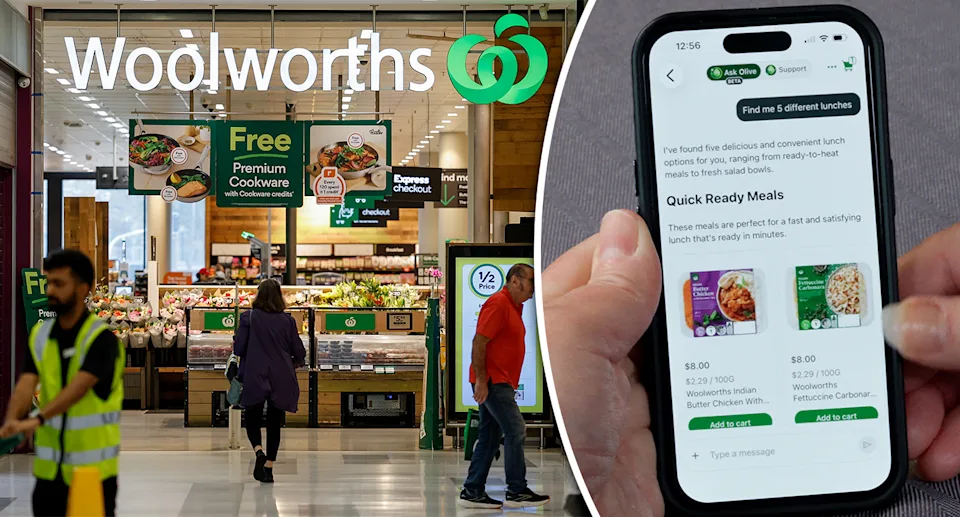
Woolworths Group (WOW.AX) stock was trading at 36.45, up 1.19% today, as investors reacted to a critical retail development unfolding alongside a sharp spike in global oil prices. With crude surging to US$110 per barrel amid escalating geopolitical tensions, transport and logistics costs are rising rapidly. Yet, in a move that stands out across industries, Woolworths and rival Coles have decided not to increase grocery delivery prices—for now.
Oil Hits $110 as Treasury Warns of Prolonged Pressure
The surge in oil prices is already sending shockwaves across sectors dependent on fuel-intensive operations. Australia’s federal Treasury has outlined multiple scenarios, including one where oil remains above $100 in the near term and another where it climbs to $120 and takes up to three years to normalize.
This creates a challenging environment for businesses running large-scale delivery networks. Supermarkets, ride-sharing companies, and logistics operators are all exposed to higher fuel input costs, raising questions about pricing strategies and margin sustainability.
Woolworths and Coles Hold Delivery Fees Steady
Despite mounting pressure, Woolworths and Coles have confirmed there is no immediate plan to raise grocery delivery charges. Woolworths currently charges between $7 and $15 depending on delivery windows, with free delivery available for orders above $250. Coles, meanwhile, offers delivery ranging from $2 to $12, along with a $15 rapid delivery option.
Woolworths recently introduced a $2 surcharge for Sunday and public holiday deliveries, including for its Delivery Unlimited members who pay $119 annually. However, beyond that adjustment, the company has held back from broader price hikes.
Coles has also taken a cautious stance, stating there is “no change” to delivery pricing while closely monitoring cost developments.
Transport Sector Moves Ahead with Fuel Surcharges
While supermarkets are holding prices steady, other transport-dependent industries are reacting faster. Ride-sharing platform DiDi has already introduced a fuel surcharge to support drivers, while Uber is reportedly considering similar adjustments. The Transport Workers Union is also pushing for taxi fare increases.
This divergence highlights Woolworths’ strategic choice: absorb short-term cost pressure instead of passing it directly to customers.
E-Commerce Growth Strengthens the Case for Stable Pricing
Woolworths’ decision comes at a time when its online business is expanding rapidly. The company reported e-commerce sales of $5.4 billion for the half year, representing a 14.6% increase.
With petrol prices rising, consumer behavior may shift further toward online grocery shopping as households look to avoid driving costs. By keeping delivery fees stable, Woolworths may be positioning itself to capture higher order volumes and strengthen customer loyalty.
This approach reflects a broader trend where delivery is no longer just a service—it is a core part of the competitive offering in modern grocery retail.
Supply Chain Stability Provides Short-Term Cushion
Another key factor behind the decision is operational stability. Woolworths has indicated that its supply chains remain unaffected by the Middle East conflict and that it has not experienced major transport disruptions.
This gives the retailer some flexibility to absorb rising costs in the short term without making immediate pricing changes. However, the situation remains fluid, and prolonged high fuel prices could eventually force a reassessment.
Margin Pressure vs Market Share Opportunity
For investors, the key question is whether holding delivery prices steady will compress margins or drive long-term gains through higher customer retention and online growth.
Supermarkets operate on relatively thin margins, and sustained increases in logistics costs can quickly impact profitability. At the same time, maintaining competitive pricing—especially in delivery—can help secure market share in an increasingly digital grocery landscape.
Woolworths appears to be prioritizing customer value and demand stability over immediate cost recovery. If fuel prices ease, this strategy could pay off. If they remain elevated, pressure on earnings may build.
WOW Stock in Focus as Strategy Unfolds
At 36.45 (+1.19%), Woolworths stock is reflecting cautious optimism. The company’s defensive positioning, combined with strong e-commerce growth, continues to attract investor interest even amid macro uncertainty.
However, with oil prices still volatile and Treasury warning of prolonged disruptions, the sustainability of current pricing strategies will remain under close scrutiny.
Investors tracking further developments can follow updates via the latest market coverage and monitor company disclosures on the official Woolworths website.
The coming months will be critical. Whether Woolworths continues to absorb rising costs or eventually adjusts pricing will play a key role in shaping both its financial performance and competitive positioning.
You may also like: Westpac Stock Price Falls as RBA Holds, Savings Rates Hit 5.25% and ING Gains Attention

Make Swikblog your go-to source on Google for reliable updates, smart insights, and daily trends.