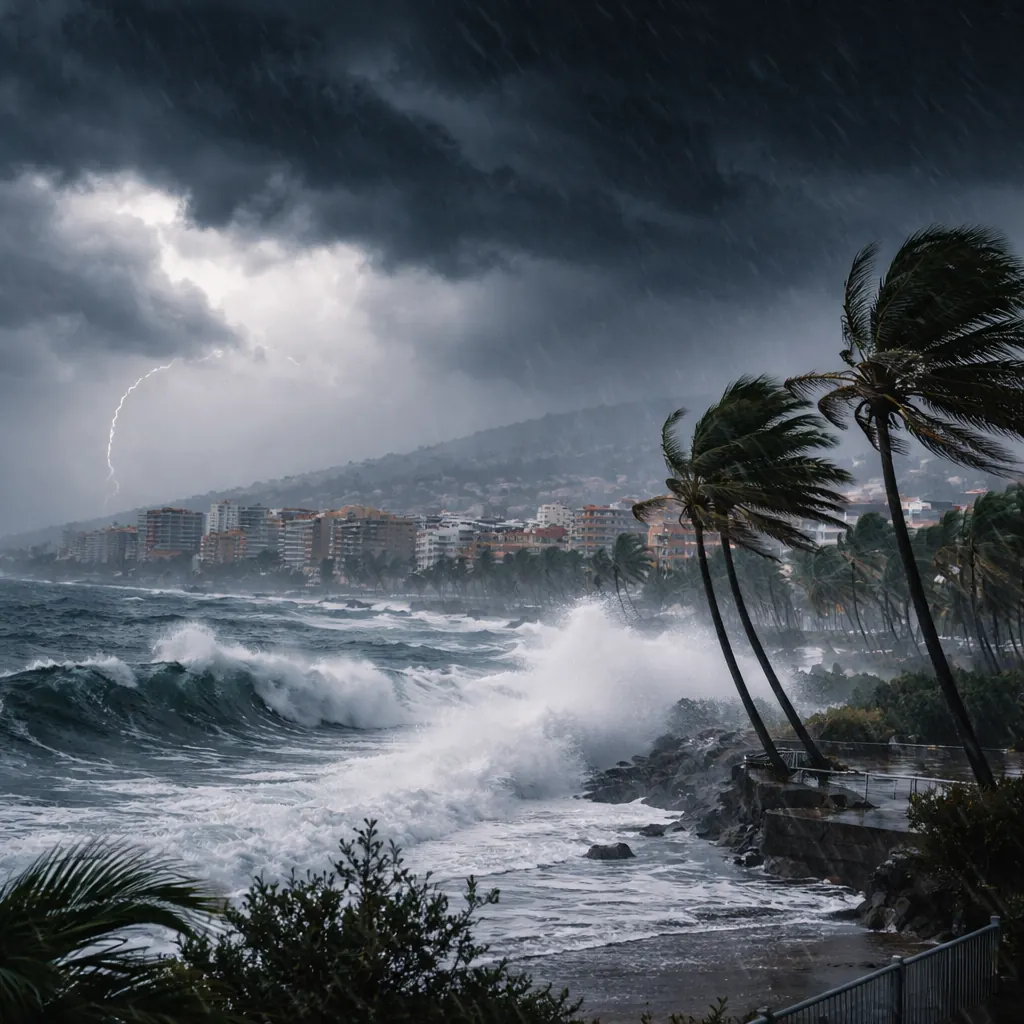

Tenerife has declared a full-scale emergency as Storm Therese barrels toward the Canary Islands with 60mph winds, extreme rainfall, and growing fears of widespread flooding just days before the Easter travel rush. Authorities are warning that this is not a routine weather event, with some areas facing dangerous conditions that could severely disrupt travel and outdoor activities.
The storm is expected to impact multiple islands, including Tenerife, Gran Canaria, and La Palma, with forecasts suggesting rainfall could exceed 500mm in certain regions over the coming days. With thousands of tourists already on the islands or preparing to arrive, the situation is rapidly escalating into a major travel and safety concern.
Emergency declared as Storm Therese approaches
Local authorities in Tenerife activated the Island Emergency Plan from 3pm, preparing for what officials describe as a prolonged period of adverse weather. The decision comes after updated forecasts warned of heavy and persistent rain, strong winds, rough seas, and even snowfall in higher elevations.
Tenerife president Rosa Dávila urged residents and tourists to exercise “maximum caution,” stressing that emergency services are fully mobilized to respond to any incidents. The emergency status allows officials to quickly implement safety measures, including closures and restrictions across the island.
60mph winds, 11+ inches rain and 500mm threat
Storm Therese is expected to bring wind gusts of up to 60mph (96 km/h), making conditions dangerous in exposed and coastal areas. However, the biggest threat comes from rainfall. Some parts of Tenerife could see more than 11 inches (280mm) of rain, while wider forecasts across the Canary Islands suggest totals could reach a staggering 500mm in localized areas.
Weather experts have highlighted significant variation across the islands. Northern Tenerife may see less than 50mm, while southern regions could experience extreme downpours. La Palma, in particular, is forecast to receive up to 450mm of rain over the week, making it one of the highest-risk zones.
Spain’s meteorological agency, AEMET, has issued multiple yellow weather warnings, cautioning that conditions could remain unstable throughout the week.
Areas on high alert across Canary Islands
The worst-hit areas in Tenerife are expected to include the north, the southwest (including Santiago del Teide and Arico), and higher mountainous regions. Major urban areas such as Santa Cruz and La Laguna are also under alert as authorities prepare for potential flooding and disruption.
Beyond Tenerife, warnings extend across Gran Canaria, La Palma, La Gomera, and El Hierro. The combination of low-pressure systems and shifting weather patterns is driving intense rainfall toward the western Canary Islands and nearby regions like Madeira.
This widespread impact means the storm is not isolated, increasing the risk of travel disruption across the entire archipelago.
Closures, bans and strict safety measures
Authorities have already introduced strict safety measures to minimize risk. These include road closures in vulnerable areas, a ban on hiking in exposed zones, and the complete shutdown of Teide National Park due to snowfall and dangerous conditions.
All outdoor events have been suspended, including major sporting events. The popular Bluetrail by UTMB mountain race, which had attracted over 3,400 runners from 64 countries, has been officially cancelled.
Organizers confirmed that the decision was made in coordination with authorities, stating that “the full mobilization of emergency services” and worsening weather made it unsafe to proceed.
Flights disrupted as travel chaos begins
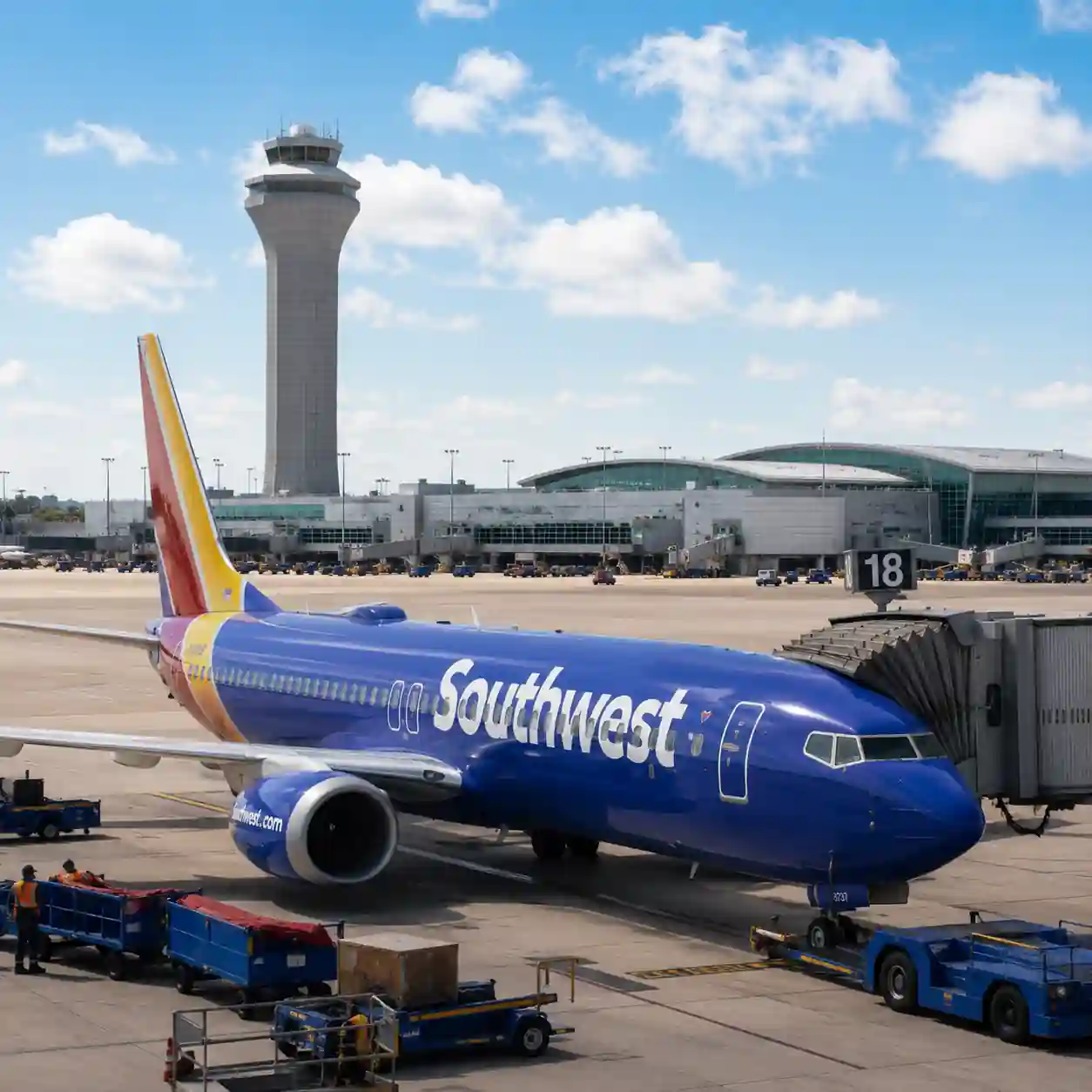
Storm Therese has already begun impacting air travel. At least one flight departing Tenerife North Airport was forced to turn back mid-journey, while another flight from Lanzarote was cancelled at the last minute.
Airline Binter has warned passengers to expect delays, diversions, and cancellations as adverse weather conditions affect operations across the islands. With Easter travel demand rising, even minor disruptions could quickly escalate into widespread delays.
Passengers are advised to check updates directly with airlines and monitor airport information through Aena before heading to the airport.
Flood risk rises across tourist hotspots
In addition to wind damage, the biggest concern remains flooding. Weather experts warn that heavy and persistent rainfall could overwhelm drainage systems, particularly in areas with steep terrain.
Gran Canaria, Tenerife, and La Palma are all under flood warnings, with experts describing the potential rainfall levels as “extreme” and highly unusual for the region. Rapid water accumulation could make roads impassable and create hazardous conditions in both urban and rural areas.
Tourists are being urged to remain alert, avoid low-lying areas, and keep a close eye on changing weather conditions.
What tourists should do now
Anyone currently in the Canary Islands or planning to travel in the coming days should take extra precautions. Travelers are advised to stay updated on official weather warnings, avoid unnecessary outdoor activities, and remain flexible with travel plans.
Hiking trails, coastal areas, and mountainous routes should be avoided, especially during periods of heavy rain or strong winds. Visitors should also allow extra time for airport transfers and keep essential items, such as mobile phones and travel documents, easily accessible.
Authorities stress that conditions can deteriorate quickly, particularly in elevated or exposed areas where weather patterns shift rapidly.
Outlook: Storm could last through Easter week
Forecasts suggest that Storm Therese may continue to impact the Canary Islands throughout the week, raising concerns about prolonged disruption during the peak Easter holiday period.
Even after the storm weakens, residual effects such as delayed flights, infrastructure strain, and localized flooding could continue to affect travel plans.
The situation highlights how quickly conditions can change in popular holiday destinations. While Tenerife is known for its mild climate, this event serves as a reminder that severe weather can disrupt even the most established tourist hotspots.
For now, authorities are urging caution, preparation, and awareness. Whether you are already on the islands or planning to travel soon, staying informed will be critical as Storm Therese unfolds.

Make Swikblog your go-to source on Google for reliable updates, smart insights, and daily trends.