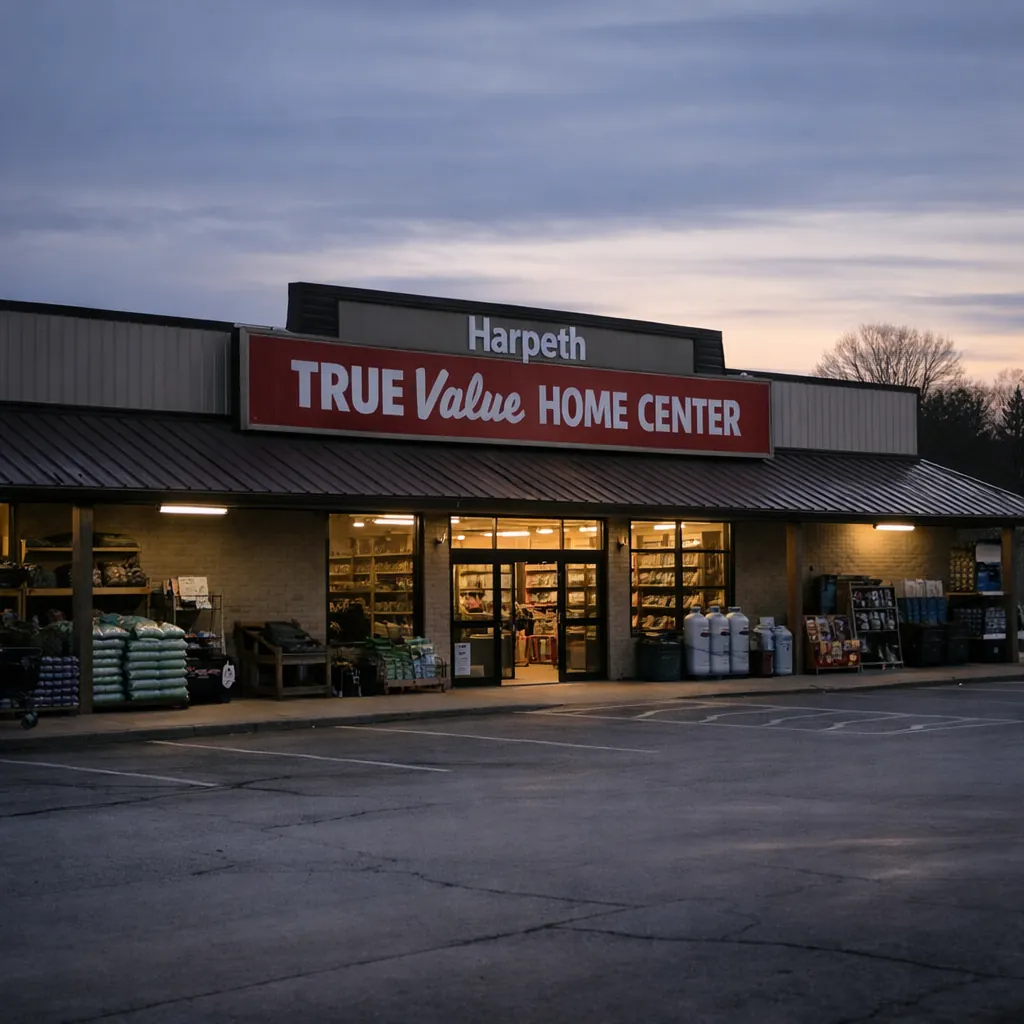

A long-running hardware store in Franklin, Tennessee, is preparing to close its doors for good, marking another setback for independent retailers trying to hold their ground in an increasingly difficult market.
Harpeth True Value Home Center is scheduled to shut down on April 1, ending its run after the business said it could no longer overcome the pressure facing smaller operators. The closure was shared in a recent public announcement, where the store described a combination of financial realities and a changing retail environment that made it impossible to continue.
The company said the decision came only after deep reflection and repeated efforts to find another path forward. For local customers, the closure represents more than the loss of a store. It also signals the continued erosion of the neighborhood hardware model that once played a central role in many communities.
Pressure from bigger rivals and shifting habits
Independent hardware stores have spent years battling the scale and pricing power of national chains. Competition from major home improvement retailers and the continuing influence of e-commerce have made the environment even tougher for smaller businesses that depend on local loyalty and repeat foot traffic.
Harpeth True Value said it had been struggling against larger competitors including big-box chains and online retail platforms. In practical terms, that means fighting on price, convenience, inventory depth, and delivery speed all at once. For a single locally run store, that is an increasingly hard equation to solve.
The store is part of the wider True Value cooperative network, but it operates as an independently owned business. That distinction matters because local operators often carry the national name while still bearing the burden of day-to-day business conditions in their own communities.
Lumber slowdown added to the strain
Owner Mike Outlaw said one of the most significant blows came from the decline in the lumber side of the business. That category had reportedly accounted for around 70% to 80% of total sales, making any downturn especially difficult to absorb.
When a store depends so heavily on one business segment, even a modest contraction can quickly become a serious operational problem. In this case, the pressure appears to have grown too large to offset through the rest of the store’s product mix.
Outlaw also said he tried to sell the business and held discussions with several potential buyers, but no agreement was reached. He described the closure as the last outcome he wanted, underscoring how difficult the final decision had been.
Key detail: Harpeth True Value Home Center is set to close on April 1, with no current plans reported for bankruptcy protection.
Another sign of a wider retail shift
The shutdown comes as the US retail sector continues to adjust to weaker in-store demand, rising costs, and changing consumer behavior. While department stores and apparel chains have often dominated the headlines, smaller hardware and home improvement businesses have also been caught in the same broader squeeze.
For independent stores, the challenge is often sharper. They typically lack the buying power, marketing budgets, and logistics systems that help major chains weather difficult periods. Even businesses with strong community ties can find that customer goodwill is not always enough to offset higher operating costs and thinner margins.
Other True Value-affiliated closures have also been announced elsewhere, adding to concerns that the pressure on local hardware retail is not limited to one market. That makes Harpeth True Value’s closure part of a broader trend rather than a single isolated case.
For Franklin residents, though, the impact is immediate and local. A familiar business that once served everyday repair jobs, home projects, and practical advice is about to disappear, leaving behind another reminder of how much the retail landscape has changed.

Make Swikblog your go-to source on Google for reliable updates, smart insights, and daily trends.