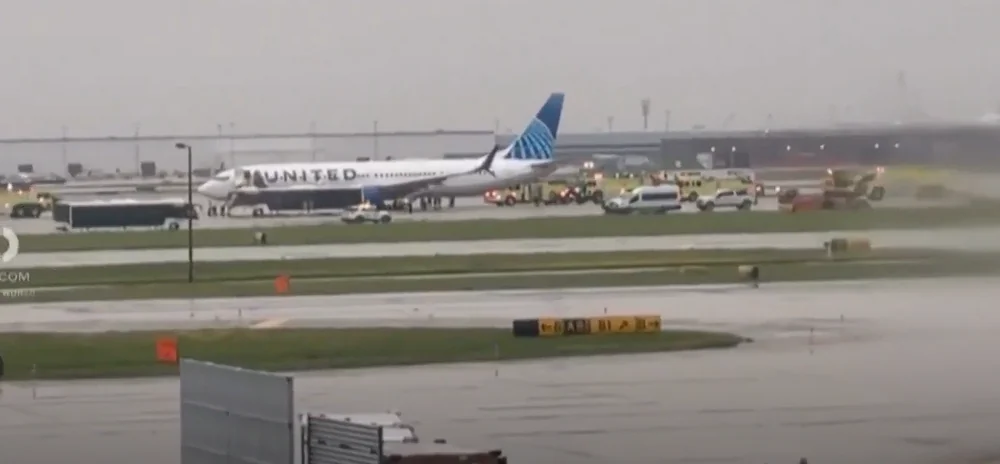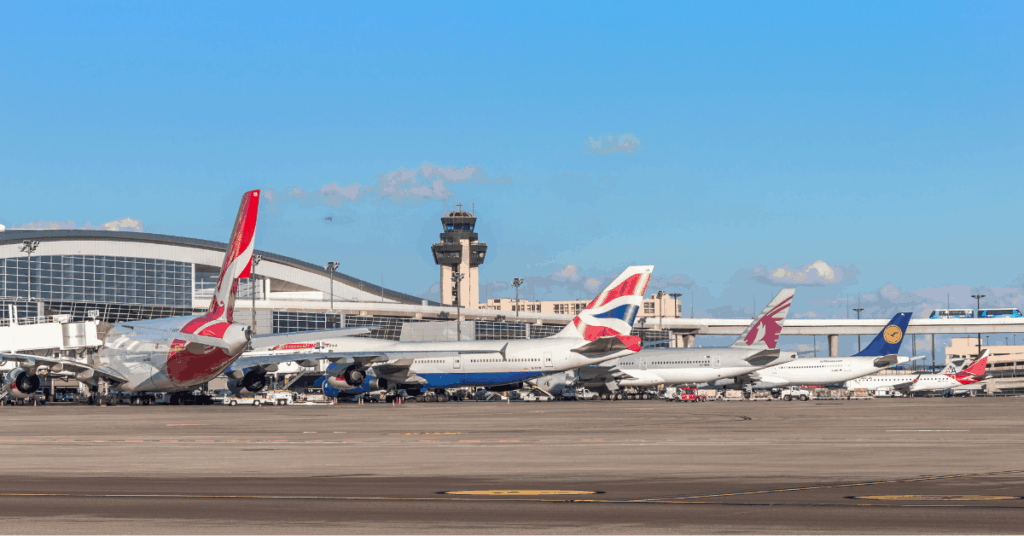

The Easter travel surge has collided with severe weather across the United States, pushing the aviation system into visible strain as thousands of flights faced delays and cancellations over one of the busiest travel weekends of the year.
Across Thursday through Saturday, disruption escalated rapidly. Airlines and airports collectively recorded more than 15,000 delays before the weekend even peaked, followed by an additional 5,600+ delays and nearly 500 cancellations on Saturday alone. The figures underline how quickly peak demand and unstable weather can overwhelm even the largest aviation networks.
Major hubs bore the brunt of the chaos. Dallas/Fort Worth International Airport (DFW) emerged as the most disrupted, logging 454 delays and 77 cancellations, making it the primary congestion point in the national network. Chicago O’Hare (ORD) followed with 316 delays and 25 cancellations, while Houston’s George Bush Intercontinental Airport (IAH) and Atlanta’s Hartsfield-Jackson (ATL) also reported significant operational pressure.
The disruption extended beyond airports into airline networks. American Airlines recorded the highest number of delays at 914, reflecting its heavy reliance on congested hubs like Dallas and Chicago. SkyWest Airlines reported the highest cancellations at 96, alongside 332 delays, highlighting stress on regional feeder systems.
Regional carriers were particularly exposed. Envoy Air reported 56 cancellations and 196 delays, while PSA Airlines logged 34 cancellations and 164 delays. Spirit Airlines also faced disruption with 21 cancellations and 109 delays. These numbers reveal how smaller carriers, which depend on tight schedules and hub connectivity, tend to feel disproportionate pressure during system-wide disruptions.
Weather played a decisive role. Thunderstorms across Texas and the southeastern United States triggered cascading delays, especially along the Dallas–Houston corridor. As aircraft rotations were disrupted, delays spread across the country, affecting connecting flights and increasing turnaround times.
The surge in Easter travel demand amplified the problem. Passenger volumes are projected to reach 171 million between March and April, reflecting a 4% year-on-year increase. This surge has stretched airport infrastructure, staffing, and scheduling capacity to their limits.
Operational strain has also been worsened by staffing challenges. Hundreds of TSA agents have left their roles in recent weeks, leading to extended security wait times at several airports. In some cases, travelers reported waiting hours just to clear checkpoints, adding another layer of uncertainty to already delayed journeys.
Despite the scale of disruption, early signs suggest conditions may stabilize as storm systems begin to weaken. However, the episode highlights ongoing vulnerabilities in the US aviation system, particularly during peak travel periods when even minor disruptions can escalate into nationwide delays.
Passengers traveling during this period have been advised to monitor flight updates closely and arrive earlier than usual, as operational recovery can take time even after weather conditions improve.
For detailed aviation disruption data and tracking, platforms like FlightAware continue to provide real-time insights into delays and cancellations across the US network.

Make Swikblog your go-to source on Google for reliable updates, smart insights, and daily trends.