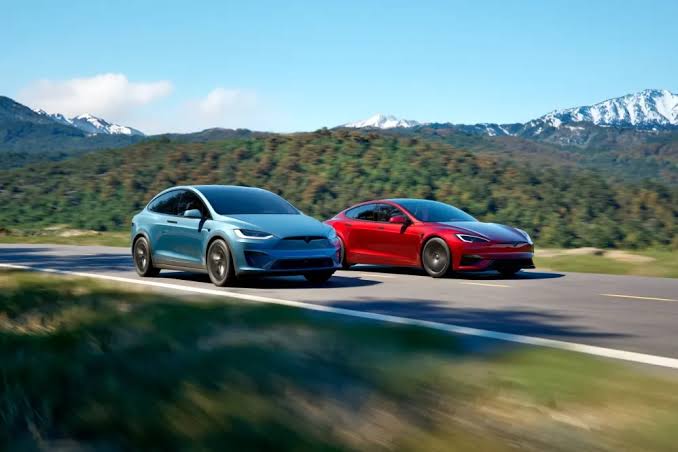

Tesla’s longest-running luxury electric models are approaching the end of their road. Elon Musk revealed that only a few hundred Model S and Model X vehicles remain available globally, signaling a quiet but significant shift in the company’s direction after more than a decade of production.
The announcement marks a turning point for Tesla’s flagship lineup, which has defined premium electric mobility since the early 2010s. With production and custom orders for both models already concluded in early April 2026, the remaining units now represent the final opportunity for buyers to own what many consider the foundation of Tesla’s modern success.
The scarcity has already begun influencing pricing dynamics. Reports indicate that remaining inventory units have seen increases of around $15,000, reflecting both limited supply and renewed demand from enthusiasts who view these models as iconic pieces of automotive history.
End of a flagship era
The Model S, first introduced in 2012, redefined expectations for electric vehicles by combining long range, high performance, and luxury design. The Model X followed with its distinctive falcon-wing doors and family-oriented electric SUV appeal. Together, they helped establish Tesla as a global leader in EV innovation.
With inventory now nearing depletion, the transition underscores Tesla’s broader evolution. The company is increasingly prioritizing newer and more ambitious programs, shifting focus away from legacy models that once anchored its growth.
Strategic shift toward future technologies
The decision aligns with Tesla’s current push into next-generation technologies and platforms. Resources are being redirected toward projects such as the Cybertruck, the autonomous Robotaxi (Cybercab), and the Optimus humanoid robotics program. These initiatives reflect a stronger emphasis on artificial intelligence and automation as Tesla expands beyond traditional vehicle manufacturing.
This pivot highlights a deeper transformation within the company. Rather than refining existing models indefinitely, Tesla appears to be accelerating its move into emerging sectors that could define the next phase of mobility and intelligent systems.
Industry analysts have noted that the gradual phase-out of the Model S and Model X allows Tesla to streamline production while focusing on higher-demand vehicles and future-facing innovations. More details on Tesla’s evolving strategy can be explored through Tesla’s official platform, which continues to highlight its expanding product ecosystem.
For buyers, the moment carries a sense of urgency. The final units are not just vehicles but symbols of a technological shift that began over a decade ago. As these models disappear from inventory, they leave behind a legacy that reshaped the global auto industry and accelerated the adoption of electric mobility worldwide.
With Tesla moving decisively into its next chapter, the closing phase of the Model S and Model X era serves as both a milestone and a reminder of how quickly the automotive landscape continues to evolve.

Make Swikblog your go-to source on Google for reliable updates, smart insights, and daily trends.