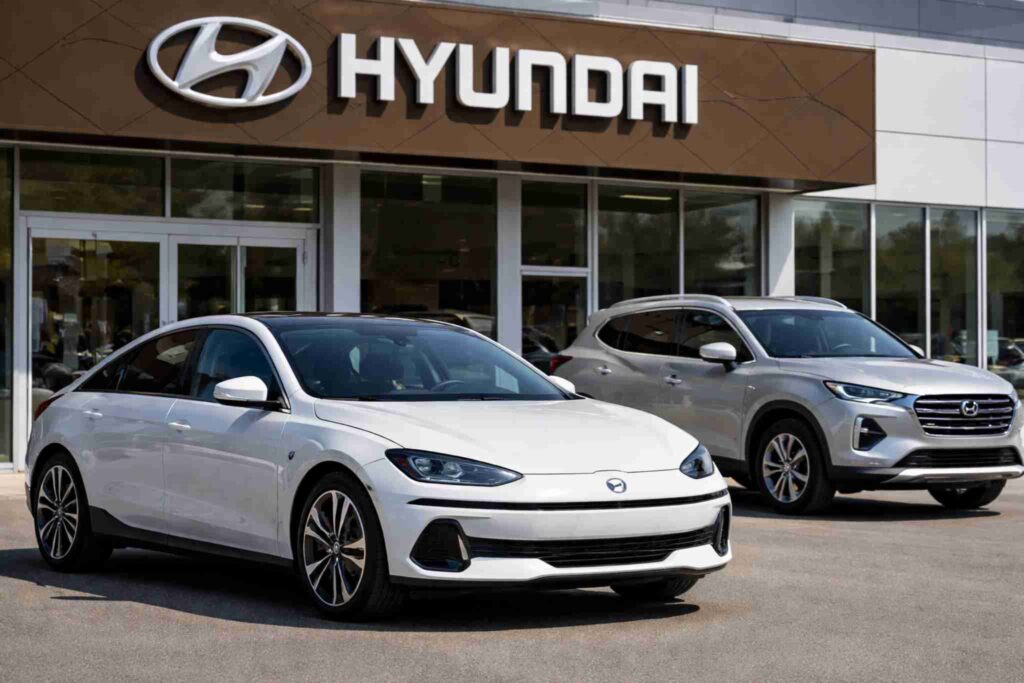

Hyundai Motor America is recalling 294,128 vehicles in the United States after a defect linked to seat belt anchors raised concerns they could detach in a crash, according to the National Highway Traffic Safety Administration (NHTSA). The issue, flagged on April 10, has drawn attention due to the potential failure of a core safety system designed to restrain occupants during collisions.
The recall covers multiple models, including the Hyundai Ioniq 6, Genesis G90, Hyundai Santa Fe and Santa Fe Hybrid. The U.S. auto safety regulator said a detached seat belt anchor may fail to properly restrain an occupant, significantly increasing the risk of injury in an accident.
Hyundai dealers will inspect the affected vehicles and reinforce or replace the seat belt anchor assemblies where necessary, the agency said. The company has not indicated widespread incidents linked to the defect, but regulators typically act preemptively when restraint systems show potential structural weakness.
The development comes at a sensitive moment for automakers, where even isolated mechanical faults can quickly escalate into broader safety concerns. Seat belts remain one of the most critical components in vehicle protection systems, and any compromise—however limited in scope—tends to trigger swift regulatory scrutiny.
Safety concerns put spotlight on core vehicle systems
Unlike software glitches or minor component issues, defects involving seat belt anchors strike at the foundation of passenger safety. The anchor point ensures that the belt remains secured under force during a crash, and failure at this point could render the restraint system ineffective.
For Hyundai, the recall spans both electric and internal combustion models, including its flagship EV, the Ioniq 6, and premium Genesis vehicles. This breadth increases visibility of the issue, particularly as the company continues to expand its footprint in the U.S. market.
Owners are being urged to verify whether their vehicles are affected and schedule inspections promptly. More details can be accessed through the official NHTSA recall database, where vehicle identification numbers can be checked.
Why the recall matters now
The recall highlights how traditional safety components remain under intense regulatory focus even as automakers push forward with electrification and advanced driver systems. A fault in a seat belt anchor is not a cosmetic issue—it is directly tied to crash survivability.
While the repair process is expected to be straightforward, the broader impact lies in how quickly manufacturers can respond and maintain consumer confidence. In a competitive market, recalls tied to safety fundamentals often carry more weight than those involving newer technologies.
For drivers, the message is clear: even as vehicles become more advanced, the reliability of basic safety systems continues to define trust on the road.
You may like: Amazing Digital Circus Finale Theaters June 2026

Make Swikblog your go-to source on Google for reliable updates, smart insights, and daily trends.