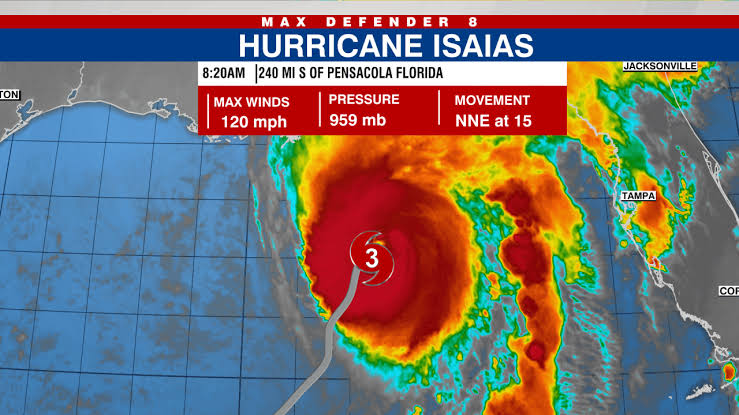
The North Island of New Zealand is bracing for a powerful weather event as Cyclone Vaianu moves closer, prompting widespread emergency alerts and evacuation preparations across multiple regions.
Authorities have already declared a state of emergency in Northland, highlighting the seriousness of the situation. Officials warn that the approaching system could bring damaging winds up to 140 km/h, intense rainfall, and dangerous coastal conditions.
Emergency Measures and Evacuation Concerns
Local authorities across the North Island are urging residents not to wait for official evacuation orders. Communities in coastal areas, particularly in Bay of Plenty and Hawke’s Bay, are being advised to prepare for relocation as storm surge and flooding risks rise.
In Whakatāne, officials have indicated a high likelihood of evacuations in vulnerable zones such as Ōhope. Residents have been asked to pack essential supplies and prepare for potential displacement lasting up to two days.
Emergency services have also deployed specialized rescue teams across key locations including Auckland, Rotorua, and Coromandel to respond rapidly if conditions worsen.
Severe Weather Warnings Intensify
Forecasts show a combination of extreme weather threats hitting the region. Rainfall is expected to reach 150–180 mm in some areas, particularly across elevated terrain, increasing the risk of landslides and river flooding.
Wind warnings across multiple regions indicate gusts between 120 km/h and 140 km/h, capable of causing structural damage, fallen trees, and power outages. Coastal regions face additional danger from large waves and storm surges.
According to updates from New Zealand’s official weather service, the most intense impacts are expected from late Saturday night into Sunday, coinciding with high tide periods that could worsen coastal flooding.
Coastal Risks and Community Preparedness
Authorities have identified several high-risk coastal zones, including Mahanga, Haumoana, and Te Awanga, where wave activity could lead to noticeable erosion and flooding. Residents in these regions are being encouraged to temporarily relocate inland.
Emergency management agencies have emphasized the importance of acting on early warning signs such as rising floodwaters, unusual ground movement, or structural noises. Quick action, they say, can significantly reduce risk to life.
As the cyclone approaches, the message from officials remains clear: preparation and early movement could make a critical difference in safety outcomes across the region.

Make Swikblog your go-to source on Google for reliable updates, smart insights, and daily trends.