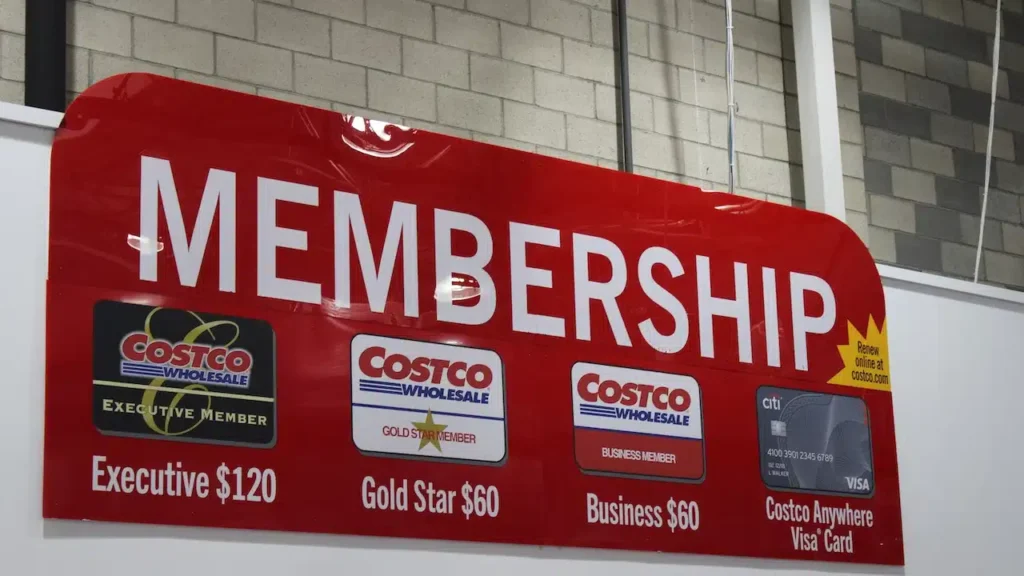

Costco is facing a new class action lawsuit that is putting its membership renewal system under the spotlight, after a customer claimed he was unexpectedly charged $65 for a membership he says he would have cancelled.
The case, filed in the U.S. District Court for the Northern District of California, accuses the retail giant of violating state consumer protection laws by sending what the plaintiff calls “untimely and deficient” renewal notices before automatically charging customers.
The lawsuit adds to a growing list of legal challenges for Costco in 2026 and raises broader questions about how companies handle subscription-style billing.
What the Costco lawsuit actually claims
The complaint was filed by Russel George, who alleges that Costco’s membership renewal practices do not comply with California’s Automatic Renewal Law (ARL). The law is designed to ensure customers are properly informed before they are charged for recurring subscriptions.
According to the lawsuit, Costco sends email reminders about upcoming renewals roughly 60 days before charging a customer’s credit card. While that might seem like ample notice, the plaintiff argues it actually violates California law, which requires notice to be given within a 45-day window before renewal.
The lawsuit claims this timing issue means customers are not being notified in the legally required period, making the notices “untimely.”
In addition to timing, the complaint also argues that Costco’s emails fail to include key information that customers are entitled to receive. This includes:
- The full length and terms of the membership renewal
- The exact amount to be charged
- Clear and accessible instructions on how to cancel auto-renewal
The plaintiff argues that without this information, customers are effectively deprived of their right to make an informed decision about whether to continue their membership.
Customer says renewal came as a surprise
George claims that his Gold Star membership — which costs $65 per year — was automatically renewed in January 2026 without proper warning. At the time, he says he had already begun reconsidering the value of the membership due to how infrequently he shopped at Costco.
“Had the plaintiff been provided this notice in a timely manner, he would have cancelled his membership and not gone forward with the auto-renewal,” the lawsuit states.
Instead, the charge went through automatically, which he argues is exactly the kind of situation California’s consumer protection laws are meant to prevent.
The lawsuit seeks damages not just for the plaintiff but for all affected customers, along with injunctive relief that could force Costco to change how it handles membership renewals in the future. The plaintiff has also requested a jury trial.
Beyond the Automatic Renewal Law, the case also alleges violations of California’s False Advertising Law, Consumers Legal Remedies Act, and Unfair Competition Law — all of which are designed to protect consumers from misleading or unfair business practices.
For readers looking to understand how these rules work, the California Attorney General’s guide on automatic renewals outlines what companies are required to disclose before charging customers.
It’s worth noting that these rules are specific to California, and other states may have different requirements. For example, Oregon law does not specify a strict notice window for auto-renewals, which highlights how compliance can vary depending on location.
Costco has not yet publicly responded in detail to the allegations, and the claims remain unproven at this stage. Like all class action lawsuits, the case will need to go through the legal process before any conclusions are reached.
Still, the situation reflects a broader trend. As more companies rely on automatic billing — from streaming services to retail memberships — regulators are paying closer attention to how clearly businesses communicate those charges.
For Costco, which operates on a membership-driven business model, the stakes are particularly high. Its basic Gold Star membership is a key revenue stream, and even small compliance issues could have wider implications if the lawsuit gains traction.
The company has already faced other legal challenges in recent months, including lawsuits related to product safety and pricing practices, showing increased scrutiny around its operations.
For customers, the takeaway is simple: auto-renewals can be easy to overlook, especially when notices are buried in emails or sent weeks in advance. Checking account settings, reviewing renewal preferences, and setting reminders before billing dates can help avoid unexpected charges.
As this case moves forward, it could influence how not just Costco but other major retailers handle subscription renewals — particularly in states with strict consumer protection laws.
Whether the lawsuit succeeds or not, it highlights a growing tension between convenience and transparency in today’s subscription economy, where even a $65 charge can spark a much larger legal debate.
You may like: Costco $1.50 Hot Dog Combo Change: New Water Option Explained

Make Swikblog your go-to source on Google for reliable updates, smart insights, and daily trends.