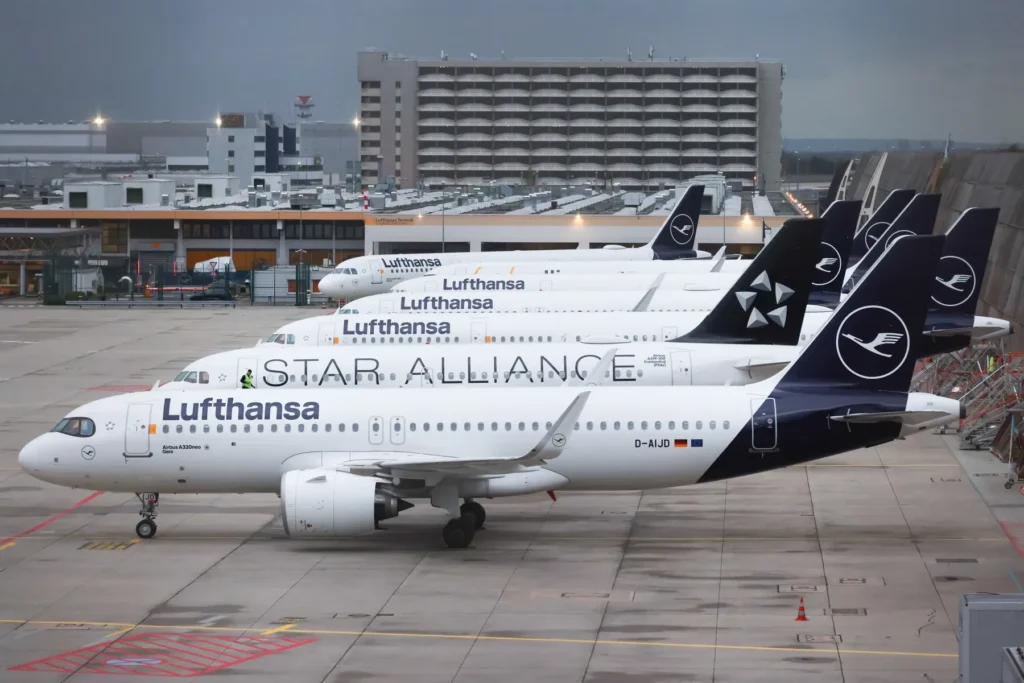

Deutsche Lufthansa is bracing for fresh disruption after its pilots’ union, Vereinigung Cockpit, called a two-day strike from April 13 to April 14, threatening to hit passenger and cargo operations as well as flights operated by subsidiary Eurowings.
The walkout, scheduled to begin at 00:01 a.m. on Monday and run until midnight on Tuesday, comes just days after a separate cabin crew strike disrupted travel during the busy Easter holiday period. The back-to-back labour actions have pushed Europe’s largest airline group into a turbulent start to the year, with operational reliability once again under scrutiny.
While most of Lufthansa’s network is expected to be affected, the pilots’ union said connections to certain destinations in the Middle East will be exempt due to the ongoing conflict in the region. Even with those exceptions, the scale of the planned stoppage suggests widespread cancellations and delays are likely across key European and long-haul routes.
Escalating labour dispute puts pressure on Lufthansa
The latest strike reflects a growing standoff between Lufthansa and its pilots over pay and pension entitlements. Vereinigung Cockpit said there has been insufficient progress in negotiations, prompting the decision to escalate with industrial action. The union has indicated it remains open to further talks, but the tone of the dispute suggests a resolution is not imminent.
Lufthansa has pushed back strongly, describing the union’s central demands — including what it says amounts to a doubling of pension entitlements — as unrealistic and financially unworkable. The airline argues that such proposals go beyond what it can sustain, especially as it continues to navigate a challenging cost environment.
The disagreement highlights a deeper divide over long-term compensation structures, rather than a short-term wage adjustment, making the conflict more complex to resolve than previous disputes.
Travel disruption risk rises amid broader challenges
The timing of the strike adds to Lufthansa’s difficulties as it deals with external pressures on the aviation sector, including geopolitical tensions linked to the war in Iran that are already affecting certain flight routes and operational planning. Combined with labour unrest, these factors are creating a more fragile environment for airlines trying to maintain stable schedules.
For passengers, the immediate concern is the likelihood of cancellations, rebookings and delays extending beyond the official strike window. Disruptions often ripple through airline networks even after industrial action ends, as aircraft and crews need to be repositioned.
Repeated strikes can also weigh on customer confidence, particularly for travellers booking time-sensitive trips. In Europe’s competitive aviation market, reliability plays a critical role, and ongoing uncertainty could push passengers toward alternative carriers.
For Lufthansa, the challenge is not just managing the next 48 hours of disruption but preventing a series of labour disputes from evolving into a longer-term operational and reputational issue. Travellers are being advised to monitor updates through the airline’s official website as the strike approaches, as schedules may change at short notice.
With negotiations still ongoing and positions far apart, the coming days will be crucial in determining whether this dispute remains a short-term disruption or becomes a more persistent challenge for one of Europe’s biggest airline groups.
You may also like: Costco Membership Lawsuit: Why Shoppers Are Talking About the $65 Auto-Renewal Charge

Make Swikblog your go-to source on Google for reliable updates, smart insights, and daily trends.