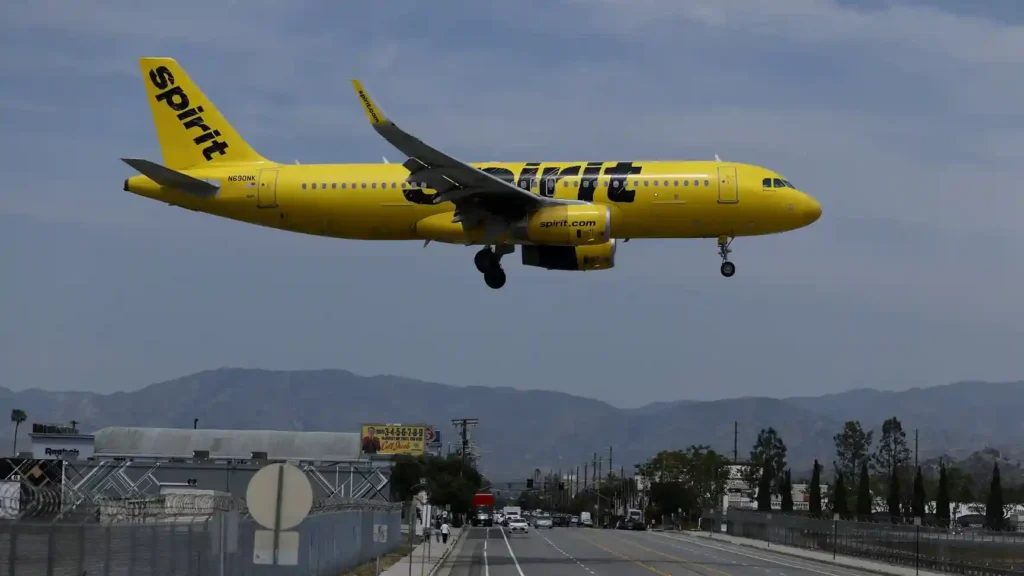

Spirit Aviation Holdings moved back into the market spotlight after an extraordinary rally pushed the distressed airline’s stock sharply higher. Shares of FLYYQ surged about 455.56% to close near $1.50, a dramatic move that followed reports the Trump administration may be nearing a deal to help rescue the budget carrier.
The sudden jump turned Spirit into one of the session’s most eye-catching stories. Even after such a powerful move, the stock is still trading at levels that reflect how badly confidence in the airline had broken down before the latest headlines hit.
Key numbers from the move: Spirit stock closed at $1.50 after gaining $1.23, while JetBlue shares fell about 6.96%. The reported proposal under discussion could include up to $500 million in government financing.
Rescue talk changes the mood around Spirit
The rally was driven by one headline above everything else: the possibility that Spirit may avoid a deeper collapse if federal support arrives. According to the report, the US government could provide the airline with a loan of up to $500 million in exchange for warrants that may later convert into a potential stake.
That structure matters because it suggests the discussion is not centered on a blank cheque. It points instead to a financing arrangement that could give the government upside if Spirit stabilises. For traders, that possibility was enough to trigger an aggressive repricing in a stock that had already been pushed into distressed territory.
Momentum strengthened further after President Donald Trump signaled publicly that he was open to support for the airline. That made the speculation feel more immediate and gave the market a political reason to take the report seriously.
Spirit’s situation has also revived debate around the carrier’s failed merger history and the role it plays in the low-cost travel market. The airline has long been a major price disruptor on many domestic routes, which is one reason its financial stress carries wider implications beyond the share price alone.
For readers tracking official federal financing structures and emergency support frameworks, the U.S. Department of the Treasury remains one of the clearest public reference points.
The stock spike does not erase Spirit’s deeper problems
The biggest risk in reading too much into a one-day move like this is assuming that a soaring stock chart means the underlying business has suddenly recovered. Spirit’s operating pressures remain real. The company has been dealing with a punishing mix of higher costs, thin margins, weak pricing power and prolonged financial instability.
That has made life especially difficult for a carrier built around ultra-low fares. When labour, fuel and operating expenses rise at the same time that consumers become more selective, the pressure on the model becomes intense. Spirit has been living with that pressure for years, and the latest rally does not change that reality overnight.
The company’s restructuring troubles have already damaged investor trust. Reports around bankruptcy, failed merger efforts and uncertainty over its long-term path have left the stock deep in speculative territory. That is why a jump of more than 455% still leaves the shares in penny-stock range rather than restoring them to anything close to normal airline valuations.
There is also a broader market angle. JetBlue, which was once tied to Spirit in merger discussions, fell nearly 7% on the same day. That contrast underlines how sharply investors are reacting to any renewed shift in Spirit’s survival prospects and how quickly airline-related sentiment can split across names.
The reported rescue discussion also raises difficult questions. Any financing deal involving warrants could create future dilution for existing shareholders. Support from Washington, if it materialises, may buy Spirit time, but it would not automatically fix the airline’s business model, route economics or competitive pressures.
That is why the rally is best understood as a repricing of possibility rather than proof of recovery. Traders are reacting to the idea that the worst-case scenario may no longer be inevitable. Investors looking beyond the headline will still want to see whether a formal agreement emerges, what the final terms look like, and whether Spirit can turn any lifeline into a more durable operating path.
For now, the stock explosion says as much about market psychology as it does about corporate recovery. Spirit has moved from near-collapse headlines to one of the day’s wildest rallies in a matter of hours. The share price has surged, but the airline is still fighting for stability, credibility and survival in one of the toughest corners of the travel market.
You may like: Spirit Airlines shutdown this week? What travelers need to know

Make Swikblog your go-to source on Google for reliable updates, smart insights, and daily trends.