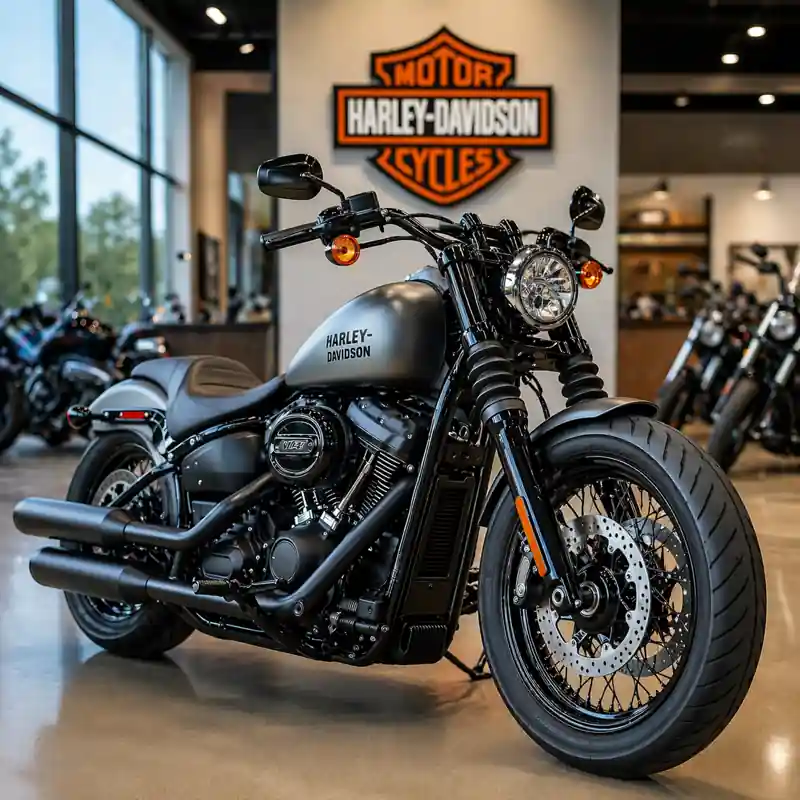

Harley-Davidson’s latest recall is the kind of development that gets attention well beyond the motorcycle world, and for good reason. The company is calling back nearly 17,000 Softail motorcycles in the United States after identifying a defect tied to the rear brake system, a problem that can reduce braking performance and increase crash risk if it goes unnoticed. For riders, this is not the sort of issue to put off until the next service appointment. When a recall involves brake hardware, the safest move is to check the affected models and act quickly.
According to details released through the National Highway Traffic Safety Administration, the recall covers 16,994 motorcycles from the 2025 and 2026 model years. The affected lineup includes the FLHC Heritage Classic, FXBB Street Bob, FXLRS Low Rider S, and FXLRST Low Rider ST. These motorcycles share a narrow-frame setup and a newer electrical architecture, which is central to the defect being addressed. Softail motorcycles built with a wider frame are not part of this campaign.
What makes this recall especially important is the way the issue develops. Harley-Davidson determined that the rear brake line on certain bikes may sit too close to the body control module, or BCM. With regular use, that proximity can lead to contact between the two components. It is not a dramatic one-time failure but a wear issue that builds over time. Repeated rubbing can damage the brake line, allowing fluid to escape. Once that happens, rear brake performance can weaken, and that creates a serious safety concern on the road.
For everyday riders, the rear brake is not just a secondary control. It helps stabilize the motorcycle, supports smoother slowing in traffic, and becomes particularly valuable during low-speed maneuvers or emergency braking where both front and rear systems are used together. A loss of rear brake function does not just change feel; it can change the way a rider responds in a critical moment. Harley-Davidson said owners may notice brake fluid collecting under the motorcycle or a drop in rear brake response. Neither sign should be ignored.
The path to the recall began earlier this year. On March 5, 2026, Harley-Davidson’s Technical Subcommittee received a customer complaint involving a 2025 Low Rider ST with a non-functioning rear brake. That single case led to a broader review of warranty and service information. During that process, the company found three more incidents linked to either brake fluid loss or a failed rear brake. Harley-Davidson then placed motorcycles still in its own inventory on hold while engineers worked through the investigation.
That review ended on April 6, when the company’s Executive Decision Authority concluded that a safety defect existed and approved a voluntary recall. The recall was later posted by federal safety regulators on April 13. Harley-Davidson has said it is not aware of any accidents or injuries connected to the problem, but recalls are designed to address defects before they lead to something worse. In that sense, the company’s timeline matters. The defect was identified, reviewed, and escalated relatively quickly once a pattern emerged.
The production window is also a key detail for owners trying to understand whether their bike may be included. The affected motorcycles were built from as early as October 3, 2024, through mid-March 2026. Units that left the factory after March 18, 2026, were already equipped with a revised BCM caddy, which means Harley-Davidson had started building in the corrective measure before the public recall campaign moved forward. That distinction will matter for buyers who recently took delivery of a new Softail and are unsure whether their motorcycle falls within the affected group.
The repair itself is straightforward, at least on paper. Harley-Davidson dealers will install a redesigned BCM caddy and related hardware to move the module far enough away from the brake line so the contact point is eliminated. During the same visit, technicians will inspect the brake line for signs of wear or deterioration. If damage is found, the brake line will be replaced. The work will be performed at no charge to owners, which is standard for a safety recall but still an important point for riders weighing whether to schedule it immediately.
Owner notifications are expected to go out by May 18, 2026. Even so, waiting for a letter is not always the best move if you already know your motorcycle matches the recalled model years and trims. Riders who own a 2025 or 2026 Heritage Classic, Street Bob, Low Rider S, or Low Rider ST can contact an authorized Harley-Davidson dealer and check by vehicle identification number. That is usually the fastest way to confirm whether a specific motorcycle is included and what the next available service step looks like.
There is also a broader lesson in this recall. Modern motorcycles are blending traditional mechanical design with increasingly complex electrical packaging, and that can create new engineering challenges in tight spaces. In this case, the issue was not a brake master cylinder or caliper defect in the conventional sense. It was a routing and clearance problem, the kind of thing that may sound minor until it affects hydraulic integrity. That is why recalls like this matter: they show how small layout decisions can carry real-world safety consequences once a vehicle is used in everyday conditions.
For Harley-Davidson, the recall lands at a time when brand loyalty remains strong but rider expectations around safety and support are higher than ever. The company’s response will be judged not only by how quickly it identified the defect, but also by how efficiently dealers handle repairs and how clearly owners are guided through the process. Riders tend to accept that mechanical issues happen. What they watch closely is whether the fix is handled with urgency and transparency.
Anyone tracking the full recall timeline can also review broader reporting through this report, which outlines how the investigation developed. But the central takeaway is simple. If you ride one of the affected Softail models, this is a recall worth checking now, not later. A brake issue that starts as a hidden wear point can become far more serious once fluid loss begins, and on a motorcycle, there is very little margin for delay when stopping power is at stake.
You may like: UK food alert as Saffron Pastries recall 43 items over rodent contamination concerns

Make Swikblog your go-to source on Google for reliable updates, smart insights, and daily trends.