
Australia’s debate over the future of cash has moved from policy circles to ATM queues, with a nationwide “Cash Out Day” campaign drawing attention to a question many households are now asking: should physical money remain easy to access in an increasingly digital economy?
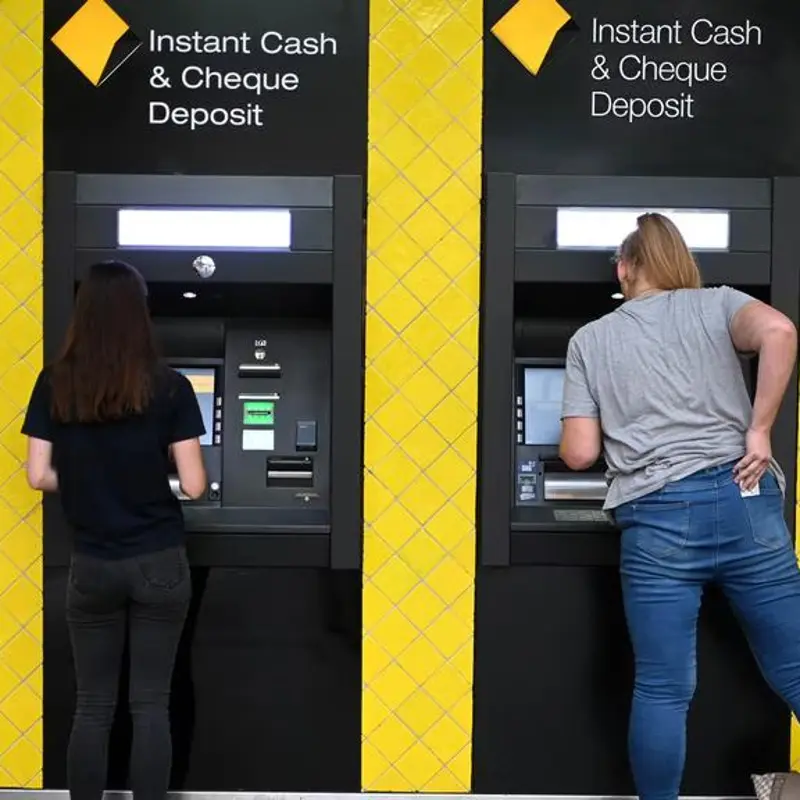
The campaign, taking place on April 28, is urging Australians to withdraw cash from an ATM, bank branch or EFTPOS outlet as a practical show of support for keeping notes and coins in everyday use. Organisers have encouraged even small withdrawals, such as $20, arguing that every transaction helps show banks there is still public demand for cash access.
At the centre of the movement is a growing concern that Australia is drifting toward a cashless system faster than many people expected. Card payments, smartphones and tap-and-go technology have become normal for millions of consumers, but campaigners say convenience should not mean the quiet disappearance of another payment option.
Why Australians Are Taking Cash Out Today
Cash Out Day is not a campaign against digital payments. Most Australians use cards and phones because they are fast, simple and widely accepted. The point being made today is different: people want choice.
Supporters argue that cash remains essential during power outages, network failures and emergencies. It is also important for people who budget better with physical money, older residents who may not be comfortable with banking apps, and regional communities where access to reliable digital services can vary.
Recent figures from the Reserve Bank of Australia show that cash is no longer the dominant payment method it once was, but it remains part of the financial habits of many households. Separate reporting from Australian media has highlighted that cash payments have recently accounted for around 15 per cent of transactions, with roughly half of Australians still using cash at least once a week.
That matters because access often follows demand. If banks see fewer withdrawals and fewer over-the-counter cash transactions, they have a stronger business case to reduce ATMs, close branches or limit cash-handling services. Cash Out Day is designed to push back against that trend by creating a visible spike in withdrawals across the country.
On a normal day, roughly 900,000 to one million people are estimated to withdraw cash in Australia. Campaign supporters are aiming to lift that number sharply, with a target of about 1.8 million withdrawals. If reached, that would turn a routine banking action into a national statement.
The Bigger Issue Behind the ATM Rush
The campaign comes at a time when Australians are already feeling the effects of a changing banking landscape. Many suburbs and country towns have seen local branches disappear, while ATMs are not as common as they once were. For people who rely on cash, that can turn a simple withdrawal into a longer trip or an added cost.
This is where the debate becomes more than a lifestyle preference. A cashless economy may be efficient for banks and convenient for many consumers, but it can also exclude people who do not fit neatly into a digital-first system.
Older Australians, people on tight budgets, market sellers, small community groups, and residents in remote areas can all be affected when access to physical money becomes harder. Cash can also help people avoid overspending because it creates a clear limit: once the money in the wallet is gone, the spending stops.
There is also a privacy argument. Digital transactions create records. For many people, that is not a problem. But others believe small everyday purchases should not always require a data trail. Cash gives consumers a level of independence that digital systems do not always provide.
Financial journalist and Cash Welcome founder Jason Bryce has been one of the prominent voices backing the campaign. His message has focused on the right of Australians to access their own money locally and to keep cash available as a normal payment option, not a fringe alternative.
The government has already faced pressure over the issue in recent years. Public concern around branch closures, ATM access and payment reliability has helped keep cash policy on the national agenda. Cash Out Day is now adding public participation to that pressure.
For banks, the challenge is balancing cost with community expectation. Handling cash is expensive compared with digital payments, and fewer customers use it as their main payment method. But removing access too quickly risks creating a two-tier system where digitally confident consumers are served well, while others are left behind.
The strongest argument from Cash Out Day supporters is not that Australia should return to a cash-heavy economy. It is that the country should avoid becoming cashless by default. A modern payments system can include cards, phones, bank transfers and cash without forcing every consumer into one model.
Today’s withdrawals may be small in individual terms, but the campaign’s message is larger. Australians are being asked to prove that cash still has a place in daily life, even if it is used less often than before.
Whether Cash Out Day leads to fresh policy commitments or changes in bank behaviour will depend on how widely the campaign is embraced. But it has already succeeded in turning a quiet financial concern into a national conversation.
In a country where tap-and-go has become second nature, the sudden focus on ATMs is a reminder that technology does not remove the need for choice. For millions of Australians, cash is not just old-fashioned money. It is backup, independence and access — and today, it has become a form of protest.
You may like: Three Dead in SH1 Crash Near Waiouru After Vehicle Crosses Centre Line

Make Swikblog your go-to source on Google for reliable updates, smart insights, and daily trends.