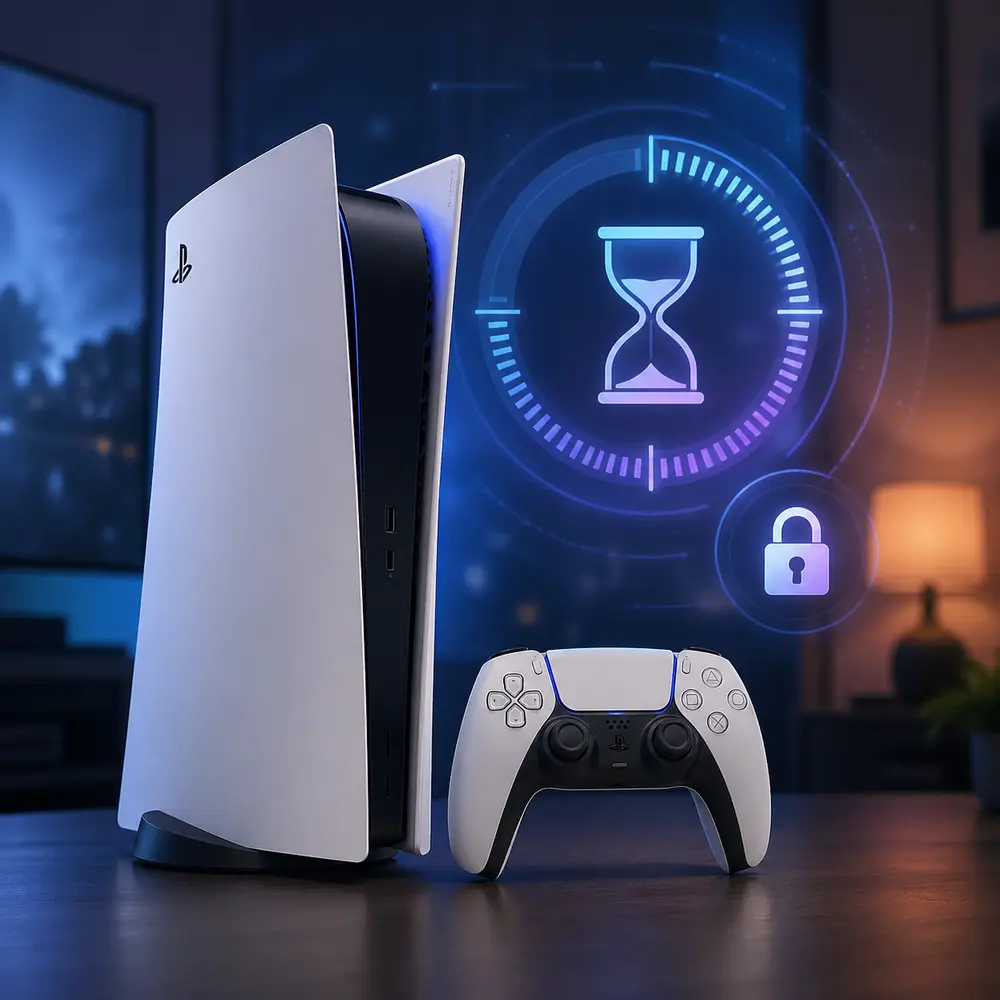

Sony has clarified its position after PlayStation users raised concerns over a 30-day license timer appearing on some newly purchased digital PS4 and PS5 games.
The issue became a major talking point among gamers after posts on X and Reddit suggested that PlayStation Store purchases could require online re-authentication every 30 days. For players who buy most of their games digitally, the claim immediately raised fears about ownership, offline access, and long-term preservation.
Read More
Sony Interactive Entertainment has now said that those fears are not accurate. According to Sony, PlayStation users only need to complete a one-time online verification after purchasing a digital game. Once that license check is finished, no repeated online authentication is required.
The clarification was reported by The Verge, which said Sony denied that players must reconnect every 30 days to keep access to purchased games.
Why The 30-Day PlayStation Timer Sparked Panic
The controversy started when players noticed a “valid period” or expiry-style message linked to recently purchased digital games. Some reports claimed the behavior affected PS4 and PS5 titles bought after March 2026, leading to speculation that Sony had quietly changed its digital rights management system.
That was enough to set off alarm bells. A recurring online check would have been a major issue for players who keep consoles offline, travel with their systems, have unreliable internet, or worry about what happens to digital libraries years from now.
The wording also made the situation worse. When a paid game appears to show a countdown, many users naturally assume their access could disappear once the timer ends. That concern spread quickly before Sony’s statement arrived.
However, later testing from some users suggested the timer may not work like a permanent monthly restriction. Instead, the 30-day display appeared to be part of an initial verification window that could convert into a permanent license after the check was completed.
Sony Interactive Entertainment Korea gave a similar explanation to Inven, saying a one-time online process is required to confirm the game license after purchase, and that no further authentication is needed once verification is complete.
What Sony’s Statement Means For PS4 And PS5 Owners
For regular PlayStation users, Sony’s message is simple: buying a digital game still requires an online license check, but the company says that check is not a monthly requirement.
That means players should not need to reconnect every 30 days simply to keep access to games they already purchased. After the first verification, the title should remain playable as before.
Still, the controversy shows how sensitive digital ownership has become. PlayStation players are increasingly building large libraries through the PlayStation Store, PS Plus offers, and digital-only console models. Any unclear message around licenses can quickly become a trust issue.
The situation also puts pressure on Sony to make the PlayStation interface clearer. If a temporary license window is shown to users, the console should explain what it means. Without that context, even a backend verification process can look like a new DRM rule.
That matters because gaming history has already shown how unpopular forced online checks can be. Microsoft faced major backlash in 2013 over its original Xbox One online check-in plans, and Sony benefited at the time by presenting PlayStation as the more flexible option.
This latest PlayStation debate may not be the same situation, but the reaction proves that players still strongly oppose any system that makes purchased games feel temporary.
Sony’s clarification should calm the immediate panic. The company says there is no 30-day re-authentication requirement for digital PS4 or PS5 games. But the larger debate is not over. Players still want clearer answers about why the timer appeared, what changed behind the scenes, and how digital purchases will be protected in the long run.
For now, the key takeaway is that PlayStation digital games are not supposed to lock users into monthly online checks. The bigger lesson for Sony is that even small licensing changes need clear communication when millions of players are relying on digital libraries.
You may like: Cincinnati Mass Shooting Riverfront Live Updates

Make Swikblog your go-to source on Google for reliable updates, smart insights, and daily trends.