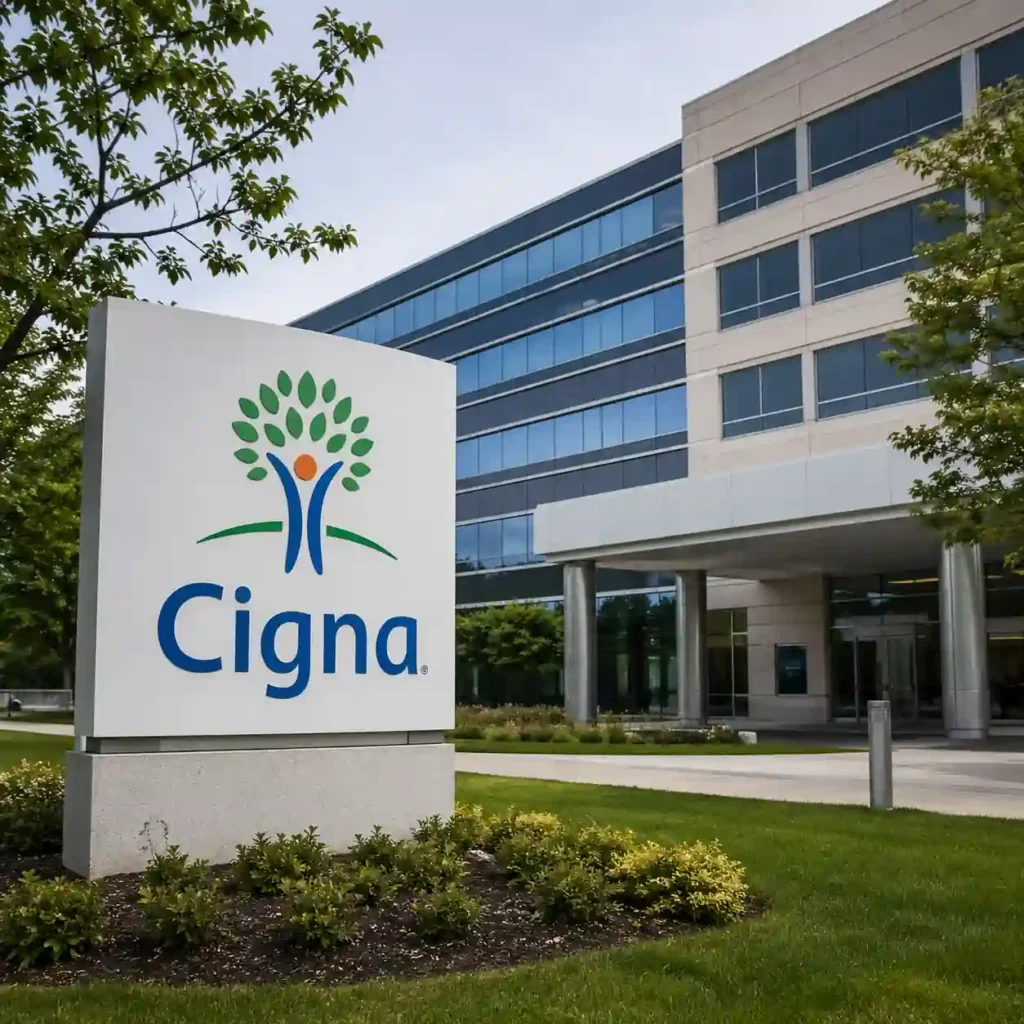

Cigna Group is preparing to leave the Affordable Care Act marketplace in 2027, a decision that will reshape coverage choices for about 369,000 people and add fresh uncertainty to the individual health insurance market. The company’s planned exit comes at a sensitive moment for Obamacare exchanges, where rising premiums, reduced subsidy support and falling enrollment are already putting pressure on both insurers and consumers.
The move means Cigna will stop offering individual ACA exchange plans after the end of 2026. While current members won’t see immediate changes to their coverage, networks or benefits, they will need to select new plans during the 2026 open enrollment period for coverage starting in 2027. The transition could look very different depending on where members live, with some regions offering multiple alternatives while others face limited options.
Cigna’s ACA business represents only a small portion of its overall operations, but its exit carries wider implications. The decision follows CVS Health’s Aetna, which already withdrew from the individual exchange market. When large insurers step away from the same segment, it typically signals deeper structural pressure rather than isolated business decisions.
One of the clearest warning signs has been declining enrollment. Cigna’s ACA membership dropped to roughly 369,000 in the first quarter, down from about 446,000 a year earlier—a 17% decline. This drop came even as the company expanded its footprint across more than 370 counties in 11 states, including entering new regions. The data suggests that increasing availability alone is no longer enough to offset affordability concerns.
The affordability challenge is central to the current situation. Enhanced federal tax credits previously helped reduce monthly premium costs, making ACA plans more accessible to a wider range of Americans. Without those expanded subsidies, many individuals are now facing significantly higher premiums. Some have shifted to lower-cost plans with higher deductibles, while others have opted out of coverage altogether.
This shift creates a difficult environment for insurers. When healthier individuals leave the market due to rising costs, the remaining pool tends to be more expensive to insure. That imbalance can push premiums even higher, creating a cycle that discourages participation. It’s a dynamic that analysts have long warned could destabilize individual insurance markets if affordability support weakens.
Cigna is not alone in facing these pressures. Centene, one of the largest ACA-focused insurers, reported a sharp drop in enrollment, while UnitedHealthcare also saw its exchange membership decline. These trends point to a broader industry slowdown rather than a company-specific issue, raising questions about how sustainable current pricing structures are without additional policy support.
From a business perspective, Cigna’s move aligns with its broader strategic focus. The company has increasingly concentrated on employer-sponsored insurance and its Evernorth Health Services division, which includes pharmacy benefit management through Express Scripts. It has already exited Medicare Advantage and does not participate in Medicaid, signaling a clear preference for segments where it has stronger scale and more predictable margins. More details on its financial performance are available on the Cigna investor relations page.
Financially, the company remains in a solid position. Cigna reported first-quarter net income of approximately $1.65 billion, with revenue climbing to $68.5 billion. Much of that growth has been driven by Evernorth, reinforcing the company’s shift toward services and employer-focused offerings rather than individual exchange plans.
For individuals currently covered under Cigna’s ACA plans, the key step will be preparing for open enrollment. Comparing options carefully will be critical, not just in terms of monthly premiums but also deductibles, out-of-pocket costs, prescription coverage and provider networks. The official marketplace at HealthCare.gov remains the primary platform for exploring available plans and determining eligibility for subsidies.
The broader concern is what this trend means for the future of the ACA marketplace. While enrollment once surged to record levels when subsidies were stronger, recent data suggests that participation is becoming more sensitive to price increases. If more insurers follow the path taken by Cigna and Aetna, certain regions could see reduced competition, which often leads to higher premiums and fewer plan choices.
At the same time, the situation could prompt policy discussions about how to stabilize the market. Affordability remains the key factor shaping both consumer decisions and insurer participation. Without meaningful intervention, the gap between coverage availability and actual affordability may continue to widen.
Cigna’s exit does not signal the end of Obamacare, but it does highlight the challenges facing the system as it evolves. For consumers, the priority will be navigating upcoming enrollment periods with greater attention to detail. For insurers and policymakers, the focus will remain on whether the market can adapt to changing cost dynamics without further contraction.
For more insights on healthcare, insurance trends and market developments, you can explore related coverage on Swikblog, where ongoing updates break down key financial and policy shifts.

Make Swikblog your go-to source on Google for reliable updates, smart insights, and daily trends.