
President Donald Trump’s move to remove tariffs on Scotch whisky has given global spirits companies a fresh profit tailwind, with Diageo, Pernod Ricard, Rémy Cointreau and Campari expected to see relief from import-related cost pressure in the United States.
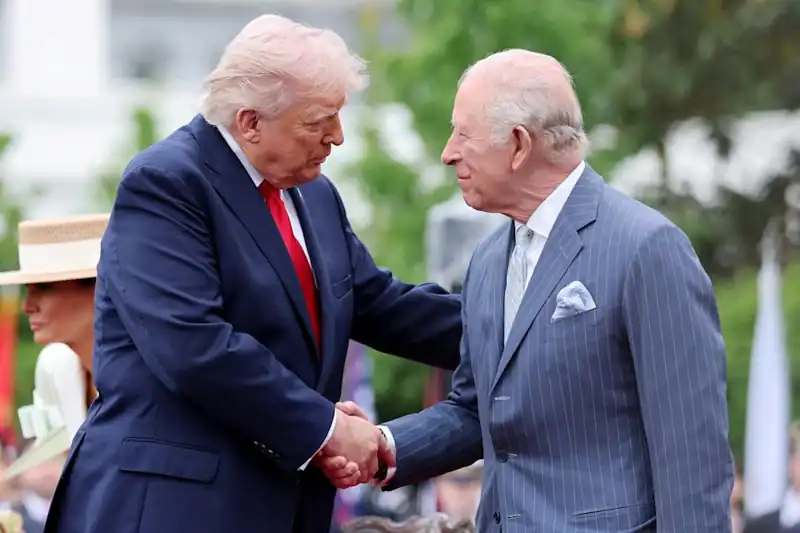
The announcement followed King Charles III and Queen Camilla’s visit to the White House, turning a royal diplomatic moment into a market-relevant trade decision for the alcohol industry. Trump said he would remove tariffs and restrictions on whisky in honor of the UK monarchs, while US officials later confirmed preferential duty access for UK-produced whisky, according to the Associated Press.
For whisky makers, the timing is important. The US remains one of the most valuable export markets for premium spirits, and tariffs had become a direct drag on margins at a time when alcohol demand is already under pressure. The removal of duties gives companies more room to protect earnings, manage pricing and support key brands without pushing too much cost onto consumers.
Diageo appears to be the clearest winner. The company, best known for Johnnie Walker, had previously flagged around $200 million in gross tariff exposure. Analysts estimate that tariff relief could lift Diageo’s operating profit by about 1.7%, a meaningful benefit for a company trying to regain momentum after a difficult period for premium spirits demand.
Pernod Ricard, the owner of Jameson, Chivas Regal and Ballantine’s, is also expected to benefit. Estimated tariff drag stood at roughly €35 million, equal to around 1.5% of operating profit. That is smaller than Diageo’s exposure, but still significant in a sector where volume growth has slowed and companies are protecting margins carefully.
Read More
Rémy Cointreau faces one of the heavier profit impacts in percentage terms, with an estimated €25 million net tariff hit, including exposure in both the US and China. Campari, meanwhile, has been dealing with an annual net tariff impact of about €15 million, representing roughly 2.4% of group profits. The easing of tariffs offers all these players a clearer path to stabilizing margins.
The relief, however, comes at a time when the spirits industry is dealing with shifting consumer behavior. US spirits sales declined by 2.2% in value last year, while American whiskey sales fell 0.9%. Growth has increasingly shifted toward ready-to-drink cocktails and lighter alcohol options, reflecting changing lifestyle preferences among consumers.
This shift highlights why tariff relief alone may not be enough to drive a sustained rally in liquor stocks. While lower duties improve profitability, the bigger challenge remains demand. Companies must balance pricing strategies with evolving consumer habits, especially as younger buyers lean toward moderation.
For investors tracking global consumer stocks, this development adds an important layer to the outlook. As discussed in our latest market and stock analysis, policy changes like tariff rollbacks can improve earnings visibility, but longer-term performance still depends on revenue growth and consumer demand trends.
The broader trade implication is also notable. Scotch whisky remains one of the UK’s most valuable exports, and easing tariff barriers strengthens trade ties between the US and UK. It also supports supply chains across distillers, distributors and hospitality businesses linked to premium spirits.
For now, Trump’s decision removes a key cost overhang for the sector. Diageo stands out with the largest potential profit boost, while Pernod and others gain incremental relief. Whether this translates into stronger stock performance will depend less on tariffs and more on how quickly demand stabilizes in key markets.

Make Swikblog your go-to source on Google for reliable updates, smart insights, and daily trends.