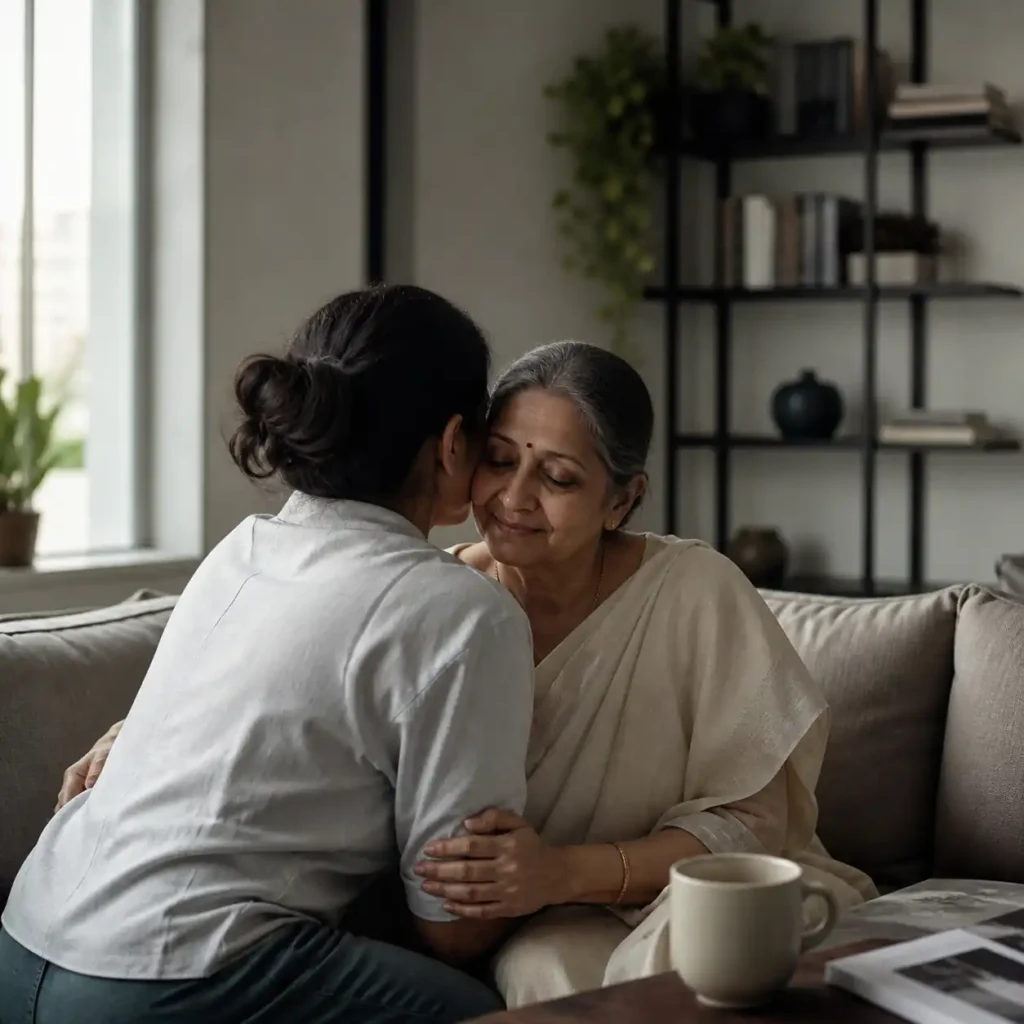

Mother’s Day 2026, marked on May 10, is once again being celebrated with flowers, brunches and social media tributes. But beyond the public displays of affection lies a quieter truth—many people still struggle to express what they genuinely feel for their mothers.
It’s not a lack of love. If anything, the bond is often too deep, too layered to put into simple words. Over time, emotions get replaced by routine—calls become shorter, conversations more practical, and the most meaningful thoughts remain unspoken.
This is where Mother’s Day takes on a deeper significance. It becomes less about celebration and more about reflection—about the things we feel but rarely say.
The everyday sacrifices we only notice later
Growing up, much of what a mother does feels ordinary. Meals appear on time, problems get solved, and comfort is always available. It’s only later in life—often when responsibilities increase—that these acts begin to feel extraordinary.
Many young professionals now admit that their biggest regret isn’t conflict or distance, but silence. The absence of acknowledgment. The failure to recognise years of effort when it was happening in real time.
Gratitude, in these cases, is delayed. And when it finally arrives, it often carries a sense of urgency.
When distance reshapes relationships
In today’s world, moving away from home has become almost inevitable. Careers, education and opportunities often take people to new cities or even different countries. While technology keeps families connected, it cannot fully replace presence.
Many describe a subtle shift in their relationship with their mothers after leaving home. Conversations become less emotional and more functional. Updates replace storytelling. And slowly, the ease of expressing vulnerability fades.
There are moments—illness, stress, loneliness—when the instinct is to seek the same comfort as childhood. But adulthood introduces hesitation. People hold back, unsure if they should ask for that kind of reassurance again.
What remains is a quiet longing—for familiarity, for warmth, for home.
The recognition that comes with age
Another layer of understanding emerges with time. As individuals grow older, they begin to see their mothers beyond the role of a parent. They start to notice the choices, compromises and limitations that shaped her life.
In many cases, this leads to an important realisation: mothers often worked within constraints that their children no longer face. Opportunities that are now accessible were once limited or unavailable.
This shift in perspective creates a different kind of respect—one that goes beyond affection and enters the space of admiration.
Yet, even then, expressing it directly can feel unfamiliar.
Inherited strength, rarely acknowledged
There is also the question of influence. Many people carry forward traits they learned from their mothers—resilience, discipline, empathy—without ever acknowledging their source.
It’s often only during major life challenges that these connections become visible. When faced with pressure, people find themselves responding in ways that reflect what they observed growing up.
In hindsight, the impact is clear. But in daily life, it remains largely unspoken.
For some, this realisation comes while building careers. For others, it arrives when raising children of their own. Either way, it changes the way they see their mothers—and themselves.
Understanding replaces judgment
One of the most profound changes in a mother-child relationship happens quietly. It’s the moment when frustration gives way to understanding.
The rules that once felt restrictive begin to make sense. The decisions that seemed unfair reveal their intent. Emotional reactions begin to look less like weakness and more like care expressed imperfectly.
This shift doesn’t happen overnight. But when it does, it often brings with it a mix of clarity and regret.
Clarity, because things finally make sense. Regret, because those realisations often come after the moment has passed.
Why these words matter now
The idea behind Mother’s Day has always been rooted in personal connection. According to the U.S. National Park Service, the modern observance was intended to honour the unique bond between a mother and her child, rather than serve as a purely commercial event.
In 2026, that intention feels especially relevant. Life has become faster, communication more frequent but less meaningful, and emotional conversations easier to postpone.
As a result, the most important words often remain unsaid—not because they are unimportant, but because they feel too personal, too vulnerable, or simply too overdue.
Read More
Breaking the pattern of silence
There is no ideal way to express these feelings. It doesn’t require elaborate gestures or carefully written speeches. What matters is honesty.
It could be a simple acknowledgment of effort, a memory shared, or an expression of appreciation that has been long overdue. Even small conversations can carry weight when they are genuine.
For more thoughtful reads on relationships, emotions and everyday life, you can explore similar stories on Swikblog.
Mother’s Day 2026 offers an opportunity—not just to celebrate, but to reconnect. To move beyond routine greetings and say something real.
Because the truth is simple: the words we don’t say don’t disappear. They stay with us.
And sometimes, all it takes is one moment to finally say them.

Make Swikblog your go-to source on Google for reliable updates, smart insights, and daily trends.