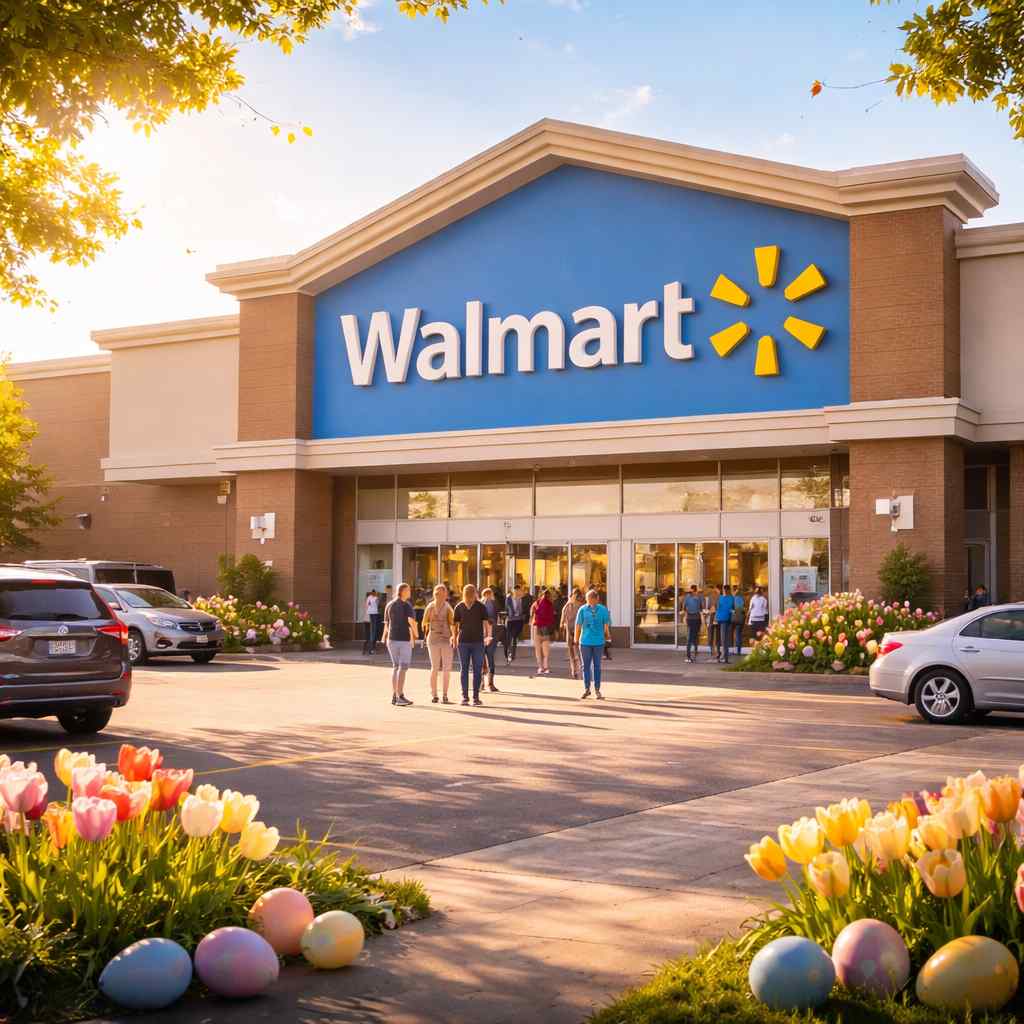

Walmart’s latest checkout change in Philadelphia is more than a small store-level adjustment. It shows how America’s largest retailer is rethinking the role of automation at a time when customer service, theft prevention and store modernization are all becoming harder to balance.
The company has removed most self-checkout lanes at its South Philadelphia store, shifting the location back toward cashier-led checkout. The store is the only one among Walmart’s five Philadelphia locations to make this move so far, making it a closely watched example of how the retailer may tailor operations based on local shopping behavior.
Walmart has said the decision was shaped by feedback from customers and associates, local shopping patterns and the needs of the business in that community. The company also said the goal is to improve the checkout experience and allow employees to offer more personalized service.
Why Walmart is changing checkout in Philadelphia
Self-checkout was once promoted as a faster, more convenient way for shoppers to move through stores. But in many locations, the experience has not always worked as smoothly as retailers expected. Customers often run into scanning errors, age-verification delays, bagging issues or long waits for an employee to clear a machine alert.
For Walmart, the Philadelphia change suggests the company is no longer treating self-checkout as a universal solution. Instead, it appears to be using a store-by-store approach, keeping the technology where it works and scaling it back where staffed lanes may provide better control and service.
The company has not removed every self-checkout machine from the South Philadelphia location. A small number remain available for Spark drivers, the independent contractors who deliver Walmart online orders. That detail is important because it shows Walmart is not rejecting checkout technology entirely. It is narrowing the use of self-checkout to areas where it can be managed more carefully.
The move also comes as large retailers face growing pressure over shrink, a retail industry term that includes theft, scanning mistakes and inventory losses. The National Retail Federation has repeatedly identified shrink as a major challenge for retailers, especially as stores try to balance convenience with stronger oversight.
Self-checkout can create weak points when there are too many kiosks and too few employees nearby. Some losses may come from intentional theft, while others come from genuine customer mistakes. Either way, the cost can become significant when repeated across high-volume stores.
Walmart is not alone in reconsidering the model. Target, Dollar General and Five Below have also limited or reduced self-checkout in certain stores. Some retailers have added item limits, increased staffing near kiosks or returned more lanes to cashiers. The industry is not abandoning automation, but it is becoming more selective about how it is used.
Read More
650-store remodel plan adds bigger context
The checkout rollback comes as Walmart prepares a major physical store refresh across the United States. The company has said it plans to remodel more than 650 Supercenters and Neighborhood Markets in 2026, while also opening about 20 new stores in 2026 and early 2027, according to Walmart’s corporate update.
In Pennsylvania, Walmart plans to remodel 32 stores this year. Several of those upgrades are expected in the Philadelphia region, including locations in Montgomery and Berks counties. The company has also said it has invested more than $518 million in Pennsylvania store improvements over the past five years.
These remodels are expected to focus on updated layouts, newer technology and expanded services. Walmart has been pushing to make stores easier to navigate while also strengthening pickup, delivery and digital tools. The company says some customers can receive orders in as little as an hour, showing how closely its physical stores are now tied to online fulfillment.
The remodeled stores are also expected to support Walmart+ benefits, including expanded pharmacy delivery. Customers may also see more app-based tools that help them find products in aisles or book services at Walmart Auto Care Centers.
That makes the Philadelphia checkout change part of a much wider strategy. Walmart is not simply deciding whether self-checkout is good or bad. It is trying to redesign stores around how people actually shop today: some customers want speed, some want assistance, and many now expect stores to support delivery, pickup and app-based convenience at the same time.
The South Philadelphia store may become a useful test case. If cashier-led lanes reduce customer frustration and help limit losses, Walmart could apply similar changes in other stores with comparable traffic patterns or operational challenges. If the impact is limited, the company may continue using a mixed model where some locations keep more self-checkout while others lean more heavily on staffed lanes.
Lawmakers are also entering the debate. Several states and cities have considered rules around self-checkout, including proposals for item limits and minimum staffing near kiosks. Those discussions reflect concerns not only about theft, but also about customer service and retail jobs.
For shoppers, the practical change is simple: checkout may look more traditional in some Walmart stores. For the retail industry, however, the shift is more meaningful. It suggests the rush toward automation is being replaced by a more cautious model, where retailers measure technology not only by speed but also by trust, accuracy and the overall shopping experience.
Walmart’s 650-store remodel plan shows the company is still investing heavily in the future of physical retail. But the Philadelphia checkout rollback makes clear that the future will not be fully automated. In many stores, the winning formula may be a blend of better technology, smarter layouts and more visible human support at the front end of the shopping trip.

Make Swikblog your go-to source on Google for reliable updates, smart insights, and daily trends.