
What began as a routine hiking trip in Malaysia turned into a remarkable survival story after a 49-year-old woman was found alive nearly two weeks after disappearing in a remote mountain region.
Jaslinda Saludin was among 14 hikers and two mountain guides who started a trek to Gunung Batu Putih near Tapah on 23 May. By the following morning, the trip had taken a dangerous turn when she became separated from the group.
According to accounts from the search operation, Saludin had stopped because of pain in her legs before continuing on her own. One guide said he last saw her at around 7:30am on 24 May and initially believed she was heading toward the mountain peak. It was only after she failed to return that concern grew about her whereabouts.
Authorities launched a search-and-rescue mission on 25 May after she had been missing for more than 24 hours. Over the following days, police, Fire and Rescue Department personnel, mountain guides, NGOs, volunteers and members of the Orang Asli community combed through difficult forest terrain in hopes of finding her.
Surviving 14 Days Alone in the Wilderness
When Saludin was finally found on 6 June near an Orang Asli village close to Kampung Lubuk Gaharu at Pos Musoh, rescuers were relieved that she had survived the long ordeal.
Speaking after her rescue, she said she had not eaten any food during the entire period. Instead, she relied on water she found in the forest, including water trapped inside pitcher plants.
“I had no food, I didn’t eat for two weeks. I drank water… dark water, brown water, water from pitcher plants,” she said while recovering after her rescue.
Her experience highlights the critical role preparation plays in wilderness emergencies. The U.S. National Park Service hiking safety guidance advises hikers to leave a trip plan, carry a way to communicate and prepare an emergency plan before entering remote areas.
Rescuers Faced Valleys, Waterfalls and Dense Forest
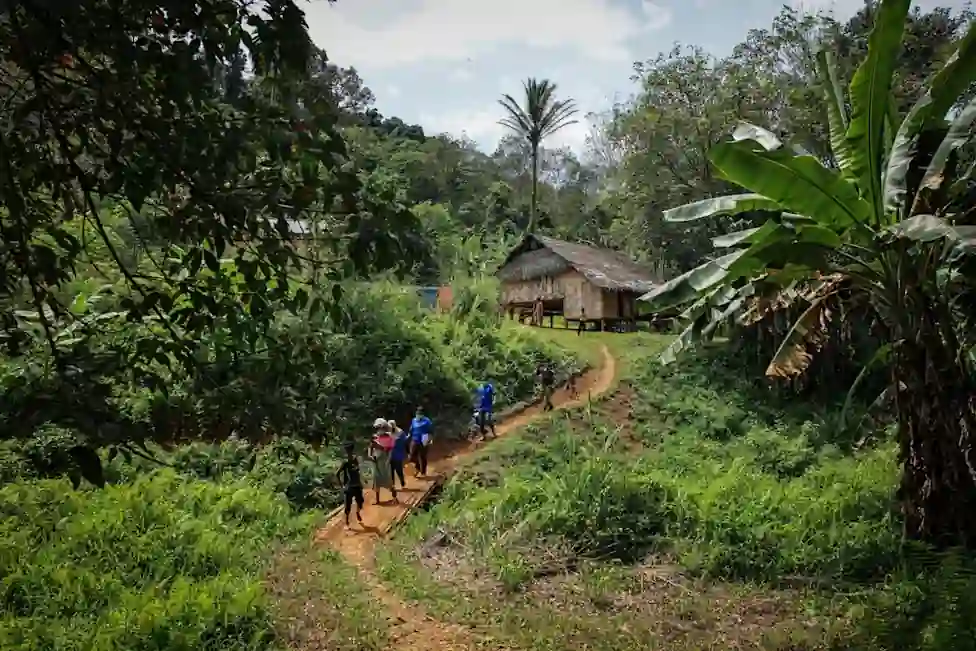
The rescue operation was made more challenging by the rugged landscape surrounding Gunung Batu Putih. Search teams had to navigate steep valleys, waterfalls and dense forest, conditions that significantly reduced visibility and slowed progress.
Perak Forestry Mountain Guide coordinator Muzafar Mohamad later revealed that Saludin was found in an area that had already been searched more than once. The discovery underscored how difficult it can be to locate missing individuals in heavily forested mountain regions, even when extensive resources are deployed.
Search and rescue missions often become significantly more difficult when terrain, weather and limited visibility work against emergency crews. Similar challenges were seen during the wildfire evacuation that forced residents to flee parts of New Mexico, where difficult conditions complicated response efforts.
Read More
Following her rescue, Saludin publicly apologized for the concern caused by her disappearance and thanked everyone involved in the search. Her husband, Haszman Othman, also expressed gratitude to police officers, firefighters, volunteers, NGOs and members of the Orang Asli community who helped bring the operation to a successful conclusion.
While medical professionals continue monitoring her recovery, the case serves as a powerful reminder of both the risks associated with mountain trekking and the resilience people can display when faced with extraordinary circumstances. Against considerable odds, Saludin survived 14 days alone in the Malaysian wilderness and returned home safely to her family.

Make Swikblog your go-to source on Google for reliable updates, smart insights, and daily trends.