
By Chetan
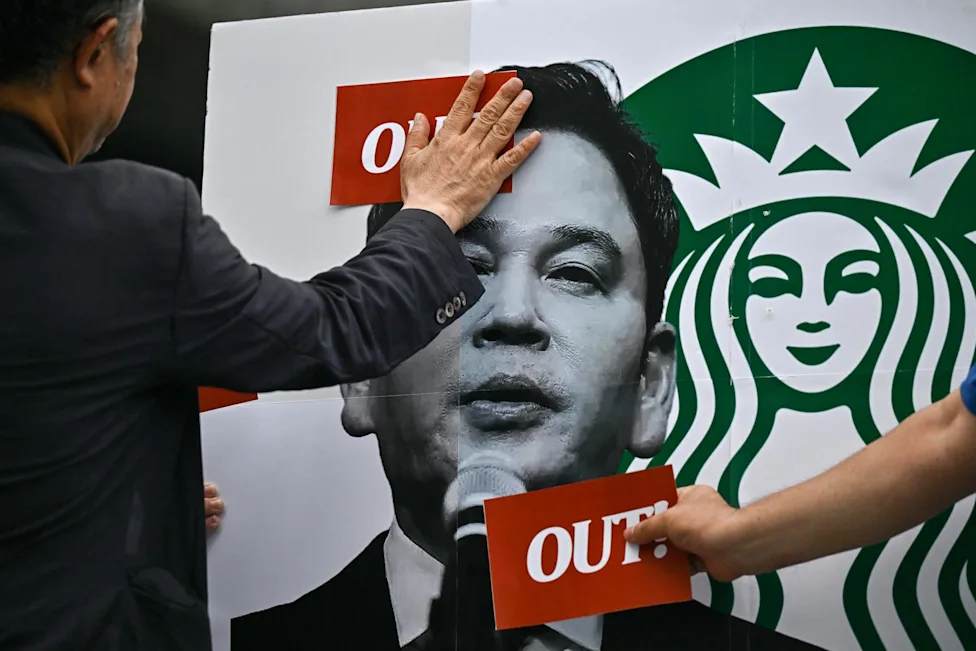
Starbucks Korea is facing one of the most significant public relations crises in its history after a marketing campaign for a new tumbler collection sparked outrage across South Korea. What began as a promotional event designed to boost sales quickly evolved into a national controversy involving consumer boycotts, government action, political criticism and corporate leadership changes.
The incident highlights the challenges global brands face when operating in markets where historical memory remains closely tied to national identity. While Starbucks Korea insists the campaign was never intended to offend anyone, the reaction shows how quickly public trust can erode when marketing messages appear disconnected from local cultural and historical realities.
The controversy started on May 18, when Starbucks Korea launched a promotion called “Tank Day” to advertise its new Tank Series tumblers. The campaign focused on the products’ larger capacity and featured promotional messaging designed to emphasize size and value. However, the launch date immediately attracted criticism because May 18 carries deep historical significance in South Korea.
Known nationally as 5/18, the date commemorates the 1980 Gwangju Uprising, a pro-democracy movement that was violently suppressed by military forces under the Chun Doo-hwan regime. Victims’ groups have long argued that hundreds of people lost their lives during the crackdown. More than four decades later, Gwangju remains one of the most emotionally charged chapters in South Korea’s modern history and continues to symbolize the country’s struggle for democracy.
The criticism intensified when observers pointed to a slogan used in the campaign that appeared similar to language associated with the 1987 torture death of student activist Park Jong-chul. His death became a defining moment in South Korea’s democratization movement and remains widely remembered as an example of abuses committed during authoritarian rule. For many South Koreans, the combination of the “Tank Day” branding, the May 18 launch date and the campaign language crossed a line that companies should avoid when dealing with sensitive historical subjects.
Public Anger Quickly Turned Into a Consumer Boycott
Starbucks Korea cancelled the promotion only hours after its launch, but the move failed to stop the backlash. Videos showing customers smashing Starbucks tumblers and mugs spread rapidly across social media platforms. Others deleted loyalty applications, withdrew funds from prepaid Starbucks accounts and publicly announced they would stop supporting the brand.
The controversy soon began affecting business performance. Market data showed card-payment volumes at Starbucks stores fell sharply in the week following the campaign. Reports also indicated customers sought refunds from prepaid balances estimated at approximately 400 billion won, or around $260 million. Given that South Korea is Starbucks’ third-largest market globally, with more than 2,100 stores nationwide, the financial implications attracted significant attention.
The fallout was equally severe inside the company. Starbucks Korea removed the promotion and reshaped its leadership after the incident, with the Starbucks Korea CEO fired after the ‘Tank Day’ controversy. The decision reflected growing pressure from consumers, civic organizations and political figures demanding accountability.
Government agencies also responded. Several public institutions reportedly stopped ordering Starbucks gift cards, while South Korea’s defense ministry suspended a partnership with the coffee chain. The issue eventually reached President Lee Jae Myung, demonstrating how a corporate marketing controversy had expanded into a broader national discussion about historical respect and social responsibility.
Shinsegae Group chairman Chung Yong-jin, whose company operates Starbucks Korea under license from Starbucks Corporation, issued multiple public apologies. During a televised press conference, he bowed repeatedly and acknowledged the pain and anger many people felt because of the campaign. However, several victims’ groups and bereaved families rejected the apology, arguing that the incident reflected a deeper failure to understand the significance of South Korea’s democratic history.
According to The Guardian, police have since booked Chung and former CEO Son Jeong-hyun as criminal suspects following complaints related to the controversy. The development underscores how seriously the matter is being treated by parts of South Korean society.
The incident has also sparked discussion about the growing use of artificial intelligence in marketing. Shinsegae said marketers consulted an AI tool during the slogan development process, although the company found no evidence that the campaign was intentionally designed to mock victims or historical events. Internal findings instead suggested weaknesses in the review process, including reports that some managers approved materials without fully examining supporting documents.
Read More
For businesses operating in global markets, the Starbucks Korea controversy offers an important lesson. Effective marketing is no longer judged solely by creativity or sales performance. Consumers increasingly expect brands to demonstrate cultural awareness, historical understanding and responsible decision-making. When campaigns touch on events that remain deeply meaningful to a society, even unintended mistakes can carry lasting consequences.
More than a simple branding failure, the Starbucks Korea case shows how history continues to shape public expectations. In a nation where democratic struggles remain part of living memory, consumers expect major corporations to recognize the significance of those events. The backlash serves as a reminder that understanding local context is not optional—it is essential for maintaining trust in today’s highly connected world.

Make Swikblog your go-to source on Google for reliable updates, smart insights, and daily trends.