
By Chetan Sharma
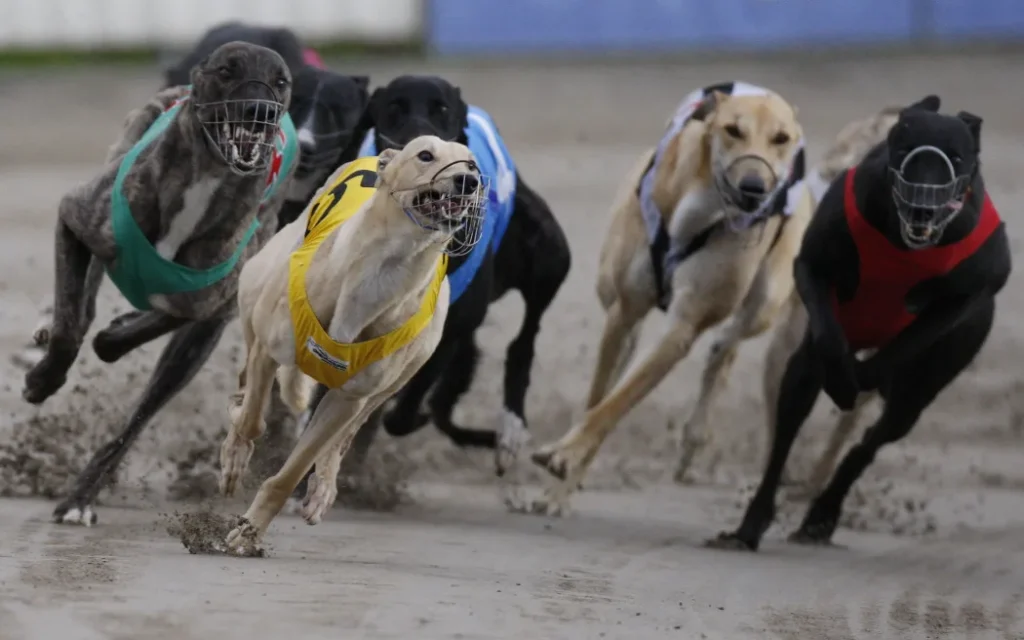
A planned transfer of up to 70 greyhounds from New Zealand to Queensland has sparked fresh debate over the future of racing dogs as one country prepares to shut down the sport while another continues to allow it.
The dogs are expected to be flown from Christchurch to Queensland in July, only weeks before New Zealand’s nationwide greyhound racing ban comes into force on August 1, 2026. While the transfer appears to comply with existing regulations in both countries, animal welfare groups argue the move raises difficult questions about whether the intent of New Zealand’s ban can be achieved if racing dogs are relocated overseas before the shutdown takes effect.
The planned flight became public during a hearing of Australia’s Senate Rural and Regional Affairs and Transport Legislation Committee. Greens Senator Mehreen Faruqi told the hearing that details emerged through a leaked message from a private greyhound racing group. According to the report, participants were allegedly asked to keep information about the charter flight confidential.
Faruqi questioned whether the transfer could allow dogs to remain within the racing industry despite New Zealand’s decision to end the sport. She also raised concerns about the long-term welfare burden if dogs continue racing in Australia before eventually needing retirement and rehoming.
The controversy arrives at a critical time for New Zealand’s greyhound sector. More than 1,500 greyhounds still need permanent homes before the industry is wound down. To manage the transition, the government established a Greyhound Transition Agency tasked with supporting rehoming efforts, helping workers affected by the closure and overseeing the industry’s exit from commercial racing.
New Zealand first announced plans to ban greyhound racing in 2024 following years of scrutiny over animal welfare standards. Government officials cited three separate reviews conducted over the past decade, all of which identified ongoing concerns about injuries and safety outcomes for racing dogs. While the industry introduced reforms and reported some improvements, authorities concluded that injury rates remained too high and that further progress could not be guaranteed.
A spokesperson for Deputy Prime Minister and Racing Minister Winston Peters told ABC News that greyhound racing remains legal until August 1 and that current legislation does not prohibit the export of dogs for racing or breeding before July 30. The government has maintained that trainers, breeders and Greyhound Racing New Zealand remain free to operate within the existing legal framework until the ban takes effect. Details of the legislation and transition process are available through the New Zealand Government’s official announcement.
Australian authorities have also acknowledged that their powers are limited once the dogs arrive. During the Senate hearing, Department of Agriculture and Fisheries senior biosecurity executive Brant Smith said the animals would enter Australia under companion animal import protocols. Those rules are designed to manage biosecurity risks rather than determine how animals are used after entry.
As a result, Australian authorities cannot prevent imported greyhounds from being raced if state laws permit it. Queensland remains one of the major jurisdictions where greyhound racing is legal, making the state a natural destination for racing participants looking to continue operating within the sport.
Smith also revealed that a similar shipment of approximately 80 greyhounds arrived in Australia last year under the same import arrangements. However, the latest planned transfer has attracted greater attention because it comes immediately before New Zealand’s historic shutdown of the industry.
Animal welfare advocates argue that the situation highlights a broader challenge facing racing reforms. Coalition for the Protection of Greyhounds president Amy MacMahon claimed the transfer risks exposing dogs to the same dangers that contributed to New Zealand’s decision to ban the sport. Her organisation has reported 27 greyhound track deaths across Australia so far in 2026, alongside more than 4,000 recorded racing injuries.
Particular attention has focused on Queensland’s new racing complex, The Q, west of Brisbane. Welfare groups have repeatedly criticised the venue following reports of injuries and fatalities since its opening, adding to concerns about what could happen if additional racing dogs enter the state’s system.
The debate reflects growing pressure on greyhound racing across Australia. While Queensland and most other states continue to allow the sport, the Australian Capital Territory banned greyhound racing in 2018 and Tasmania is pursuing legislation aimed at ending the industry from 2029. Similar concerns have emerged in Western Australia, where an inquiry was launched after 17 greyhound deaths were recorded over a matter of months, intensifying discussion about animal welfare standards and the future of the sport.
Read More
For supporters of New Zealand’s ban, the planned Queensland flight has become a symbol of the challenges involved in winding down a long-established racing industry. While officials in both countries say the transfer is legal, critics argue that the larger issue is whether dogs leaving a sport being shut down on welfare grounds should be entering another racing jurisdiction at all.
As August approaches, the focus will remain on what happens to the thousands of greyhounds affected by New Zealand’s decision. The outcome could influence not only rehoming efforts but also future debates about racing reform across Australia and New Zealand.

Make Swikblog your go-to source on Google for reliable updates, smart insights, and daily trends.