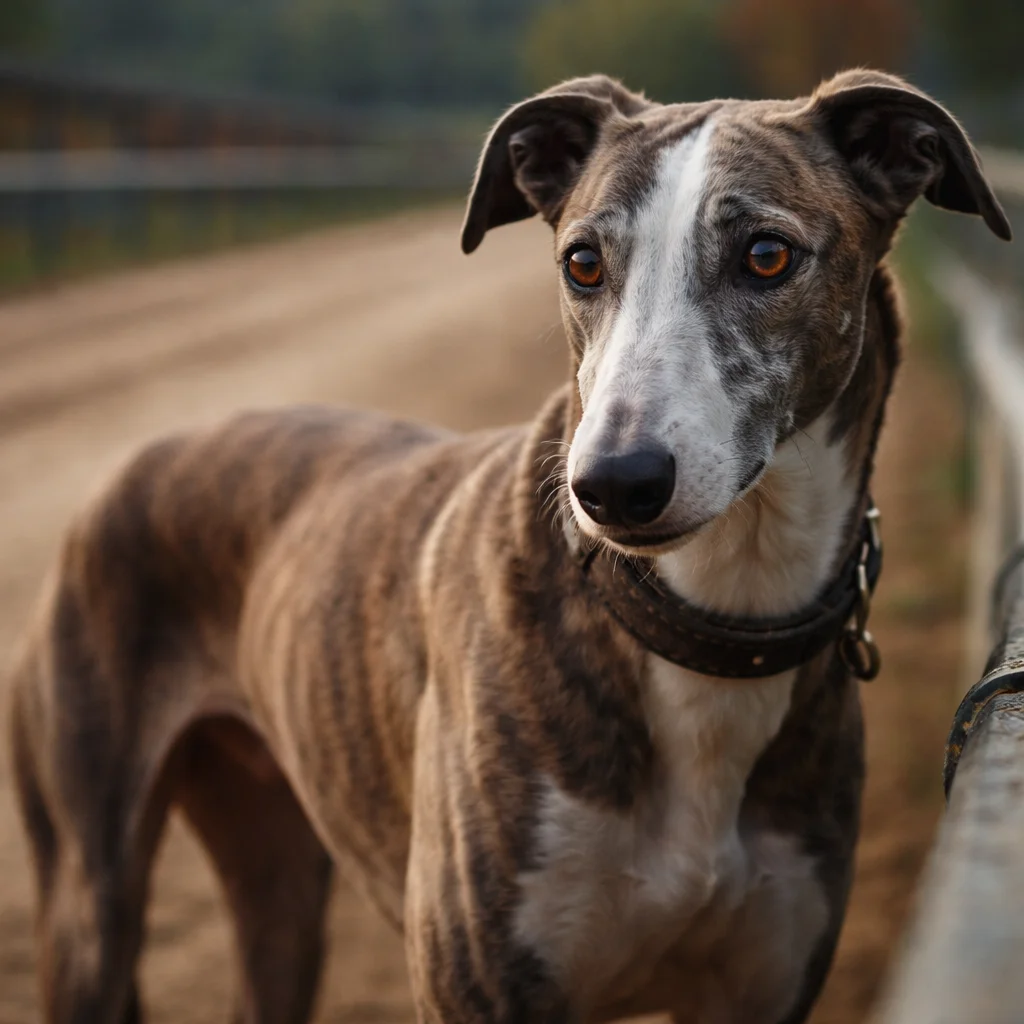

Western Australia’s parliamentary inquiry into greyhound racing is placing the future of the sport under renewed scrutiny, as lawmakers examine whether stronger reforms are enough or whether the industry should eventually be phased out. The inquiry was launched after a petition signed by more than 26,000 people called for greyhound racing to end in the state by 2029, turning what had long been a niche debate into a major political and animal welfare issue.
The Legislative Council’s Environment and Public Affairs Committee is reviewing animal welfare standards, injury reporting, regulation, industry governance and the long-term future of greyhound racing. Thousands of public submissions have been received, reflecting widespread interest from supporters, critics and people directly involved in the sport.
Animal welfare organisations argue that racing continues to expose greyhounds to unacceptable risks, while trainers, breeders and racing officials insist the industry has introduced major welfare improvements and remains an important source of employment and community activity across Western Australia.
Former industry participant recounts experiences at inquiry
One of the inquiry’s most closely watched hearings featured evidence from former greyhound racing participant Mark Layton, who described growing up around the sport before deciding to leave it behind.
Layton told the committee he witnessed repeated injuries during his years in racing and said one incident involving a favourite dog suffering fatal spinal injuries convinced him to walk away from the industry.
He later visited a Western Australian racetrack years after leaving and said another serious injury during a race left him believing little had changed. His testimony focused not only on the welfare of racing dogs but also on the emotional impact that traumatic incidents can have on families and children involved in the sport.
His evidence has become one of the defining moments of the parliamentary hearings, reinforcing calls from campaigners for further reforms or a complete phase-out.
Campaigners argue public opinion is changing
Animal welfare organisation Free the Hounds says the inquiry reflects years of growing public concern rather than a sudden campaign. The group told lawmakers that many of its supporters first became involved after adopting retired racing greyhounds and learning more about how the industry operates.
Campaigners highlighted recent greyhound deaths and injuries at WA racetracks, arguing that despite welfare improvements, serious incidents continue to occur too frequently.
The debate is no longer limited to Western Australia. Tasmania has announced plans to phase out greyhound racing by 2029, while New Zealand has passed legislation to gradually end commercial greyhound racing. Those developments have strengthened calls for similar changes elsewhere in Australia.
The discussion has already extended beyond WA, including the planned relocation of retired New Zealand racing greyhounds to Queensland, highlighting how policy changes in one jurisdiction are affecting the wider racing industry.
Campaigners have also pointed to economic research questioning whether public funding for the industry delivers sufficient value when gambling harm, welfare concerns and other social costs are taken into account.
Industry says welfare standards have improved
Representatives from the WA Greyhound Breeders, Owners and Trainers Association and Racing and Wagering Western Australia (RWWA) rejected claims that the industry cannot operate safely.
Industry representatives told the inquiry that substantial investment has been made in veterinary care, track design, injury prevention programs and greyhound rehoming initiatives. They argued welfare standards today are significantly stronger than they were a decade ago and continue to improve.
Officials also questioned aspects of the petition that prompted the inquiry and warned against judging the entire industry solely through its most serious incidents.
Many owners and trainers described racing as more than a profession, saying their dogs are treated as family members and cared for throughout their lives. They warned that closing the industry would affect hundreds of jobs, regional businesses and long-established local communities.
The broader discussion around government policy and community reform can also be seen in the federal JobSeeker reform proposal, another example of governments reviewing long-standing public systems across Australia.
Read More:
- Virgin Media fined £28 million by Ofcom
- Australian restaurant fined $24,000 over illegal seafood deal
- Visit the Swikblog homepage for more latest news
Inquiry findings expected later this year
The parliamentary committee will continue hearing evidence from veterinarians, economists, welfare organisations, racing officials and members of the public before preparing recommendations for the WA Parliament.
Separately, the Western Australian Government has commissioned an independent review into the long-term governance and financial sustainability of the state’s racing industry. Although that review focuses primarily on governance and funding rather than animal welfare, its findings are expected to influence future policy decisions.
Premier Roger Cook has acknowledged that the issue presents difficult choices for government, balancing employment, regional economies, public expectations and animal welfare.
No decision has been made on whether greyhound racing will ultimately be phased out in Western Australia. However, the inquiry has already become one of the most significant examinations of the industry in decades, with its recommendations likely to shape future regulation and determine how greyhound racing operates in the years ahead.
For more information about national animal welfare initiatives, visit Animals Australia. Official updates on the parliamentary inquiry are available through the Parliament of Western Australia.

Make Swikblog your go-to source on Google for reliable updates, smart insights, and daily trends.