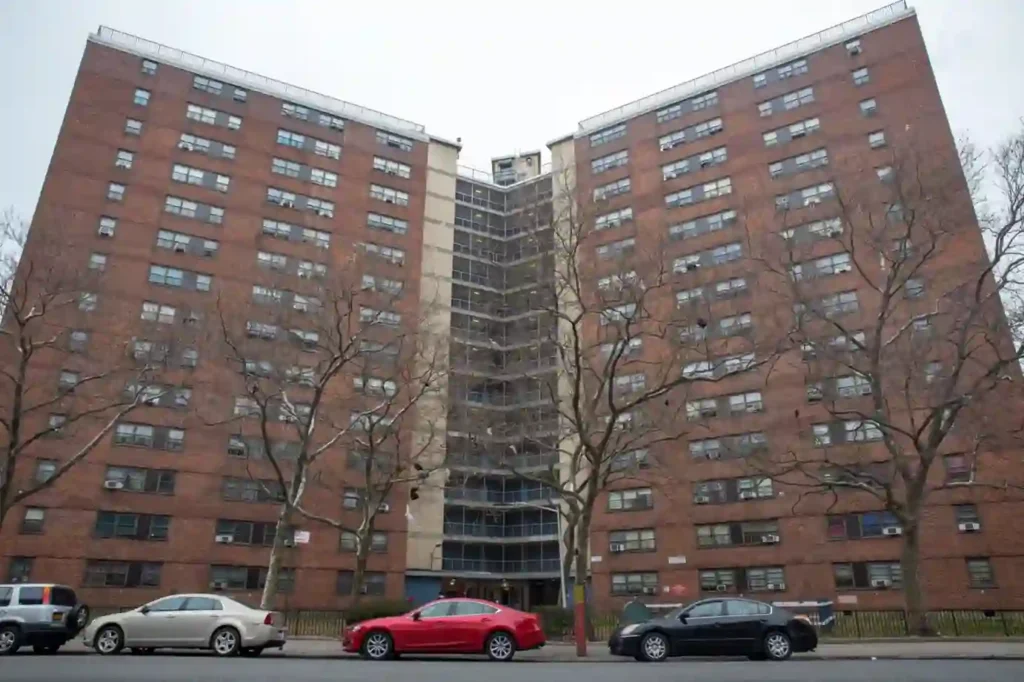

Hundreds of New York City residents living in federally assisted housing are facing eviction proceedings after a paperwork processing failure by the New York City Housing Authority (NYCHA) wrongly interrupted Section 8 rental subsidies. The issue, which NYCHA has acknowledged was caused by a document-scanning backlog, has left many families with unexpected rent bills worth tens of thousands of dollars despite tenants saying they completed the required paperwork and continued paying their share of the rent.
The administrative problem has primarily affected developments participating in NYCHA’s Permanent Affordability Commitment Together (PACT) program, where private companies manage properties while NYCHA retains ownership. Housing advocates say the disruption has created confusion across multiple developments and placed compliant tenants at risk of losing their homes through no fault of their own.
Paperwork delays triggered subsidy terminations
Every household receiving a Section 8 subsidy must complete an annual recertification confirming household income and family composition. The review determines how much rent a tenant pays and ensures continued eligibility for federal housing assistance.
According to NYCHA, a backlog in scanning documents caused some completed recertification forms to remain unprocessed. As a result, the housing authority’s system incorrectly treated some households as though they had failed to complete their annual recertification.
Those records then generated Section 8 termination warning letters, even though many affected residents insist they had already submitted every required document.
NYCHA later confirmed it had discussed the issue with legal and advocacy organizations and acknowledged that the scanning backlog resulted in erroneous termination notices being issued to some households. The authority says the backlog has since been resolved and that improvements are being made to processing systems and resident communication.
Why tenants suddenly owed thousands of dollars
The paperwork failure created a financial chain reaction.
Under the PACT program, qualifying households generally pay no more than 30% of their income toward rent, while the remaining amount is covered through Section 8 housing assistance.
Once subsidies were mistakenly terminated, private management companies automatically began charging residents the full, unsubsidized market rent. Most tenants, believing their assistance remained active, continued paying only their normal subsidized rent.
The difference between those two amounts quickly accumulated into enormous balances, leading property managers to classify residents as being behind on rent and, in many cases, begin eviction proceedings.
Section 8 terminations surged nearly 2,000%
Data obtained by the Legal Aid Society through a public records request illustrates how dramatically the problem escalated.
According to the organization, Section 8 terminations for failing to complete annual recertification increased from 42 cases in 2024 to 836 cases in 2025—a rise of nearly 2,000% in a single year.
Legal advocates believe the paperwork backlog accounts for a significant share of those cases, although the full number of affected households has not yet been publicly confirmed.
East New York developments among the hardest hit
Advocacy groups have identified several East New York developments where residents have experienced widespread recertification problems, including:
- Linden Houses
- Boulevard Houses
- Penn-Wortman Houses
On June 28, Metro Industrial Areas Foundation (Metro IAF) and East Brooklyn Congregations organized a rally highlighting what they described as a growing housing crisis affecting families who had complied with program requirements but still received eviction notices.
Tenant leaders argued that many households followed every instruction provided by NYCHA yet still found themselves defending against housing court cases.
Families describe months of confusion
Residents interviewed by advocates described repeatedly submitting paperwork, visiting NYCHA offices several times and receiving conflicting information about their accounts.
One longtime resident said every attempt to complete recertification generated another notice stating additional paperwork was still required. The repeated trips between management offices and NYCHA offices created months of uncertainty while rent balances continued growing.
Another tenant reported being told she owed approximately $45,600, while another household was informed that alleged arrears had reached nearly $80,000.
In both situations, residents maintained they had submitted their annual recertification documents and had continued paying their monthly rent.
Legal organizations report widespread complaints
The New York Legal Assistance Group (NYLAG) says it has received hundreds of requests for help from residents living in PACT developments during recent months.
Attorneys working with affected tenants say confusion exists at multiple levels, with residents, property managers and housing offices often unable to determine why subsidies disappeared or what additional action was required.
Housing court records also show extensive eviction activity at some affected developments. According to reporting, the management entity responsible for Penn-Wortman and Linden Houses has filed more than 900 non-payment eviction proceedings since 2023, although it remains unclear how many are directly connected to the Section 8 processing issue.
How the PACT program works
The Permanent Affordability Commitment Together (PACT) initiative is NYCHA’s strategy for renovating aging public housing using private investment.
Although NYCHA continues to own the buildings, day-to-day operations are handled by private management companies.
Residents retain important public housing protections, while Section 8 housing vouchers replace the traditional public housing subsidy model. Because those vouchers require annual recertification, accurate document processing is essential to preventing interruptions in assistance.
The latest incident has prompted renewed scrutiny of whether administrative systems have kept pace with the growing number of developments participating in the program.
Read More
NYCHA says incorrect balances will be removed
NYCHA says recertifications affected by the scanning backlog have been processed and that erroneous Section 8 termination notices are being reversed.
The authority also says incorrect arrears created because of those mistakes will ultimately be removed from tenant records.
Officials noted that residents who submitted paperwork through traditional mail or NYCHA walk-in centers were more likely to be affected than those using the agency’s online system.
Residents can submit annual and interim recertifications through the official NYCHA Self-Service Portal or request paper forms through the Customer Contact Center.
Why the issue matters beyond New York
The incident demonstrates how administrative delays—not changes in eligibility—can threaten housing stability for vulnerable families. Even when tenants continue making regular rent payments, a processing breakdown can generate unaffordable balances, trigger housing court actions and create months of uncertainty before records are corrected.
Housing advocates are calling for stronger oversight of the PACT program, clearer communication between NYCHA and private managers, and faster resolution of documentation issues to ensure residents are not penalized for administrative mistakes beyond their control.
Readers following broader housing policy developments can also explore our report on recent government housing policy proposals affecting vulnerable residents, which examines how changes to housing support can affect families relying on public assistance.

Make Swikblog your go-to source on Google for reliable updates, smart insights, and daily trends.