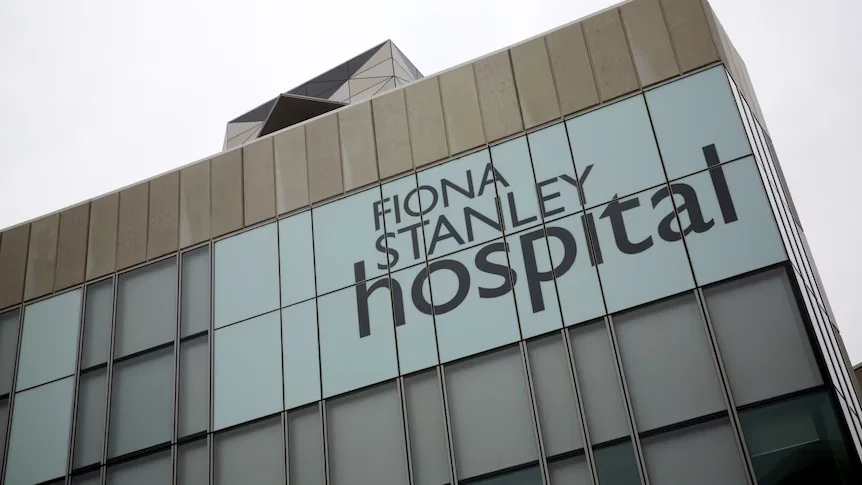

A fire inside the intensive care unit at Fiona Stanley Hospital in Perth has forced patients to be evacuated, left four people requiring clinical assessment and disrupted surgeries, outpatient services and ambulance operations.
The emergency began at about 10:05am on Thursday inside a self-contained room in the ICU at the Murdoch hospital. Nine fire crews responded, with firefighters arriving within about four minutes.
Crews contained the blaze to the room by approximately 10:24am and extinguished it by about 10:30am. Although the fire did not spread beyond the room, smoke and water damage affected hospital operations.
Three staff members and one patient assessed
The South Metropolitan Health Service said three staff members and one patient were undergoing clinical assessment following the fire. Their conditions were understood to be stable, with no fatalities reported.
Staff and patients were evacuated from the affected area as the hospital activated its emergency procedures. Patients from the impacted ward were relocated while crews dealt with the fire and its aftermath.
The rapid response was particularly important inside an ICU, where patients may depend on continuous monitoring and specialised medical equipment. Moving critically ill patients requires clinical teams to maintain care while getting them away from the immediate danger.
Is Fiona Stanley Hospital still open?
Fiona Stanley Hospital has not completely closed. The emergency department remained open and continued accepting people presenting with medical emergencies.
However, the hospital asked non-urgent visitors to postpone their visits while staff worked to restore normal services.
Paediatric emergency arrangements were also affected. Paediatric and adult emergency patients were temporarily sharing a facility while the hospital managed the disruption.
Some surgical and outpatient services were disrupted, while short-term ambulance diversions were introduced. Patients with planned surgery or outpatient appointments should check communications from their treating team or hospital before travelling.
Smoke and water damage disrupt hospital services
While firefighters prevented the flames from spreading, the consequences extended beyond the room where the fire started. Smoke impact and water damage meant some hospital areas could not immediately return to normal use.
Clinical spaces and medical equipment may require inspection and remediation before affected areas can safely reopen. Fiona Stanley Hospital said some services would therefore remain temporarily closed while remedial work was undertaken.
The disruption shows why even a contained hospital fire can affect services beyond the immediate scene. Patient relocation, safety inspections and temporary closures can continue after firefighters have extinguished the blaze.
Mastercard Outage in Australia: Customers Report Card Payments Being Declined
Sydney Airport Jetstar and Qatar Airways Near-Miss: What Happened
What caused the Fiona Stanley Hospital fire?
The latest reporting on the Fiona Stanley Hospital fire said the Department of Fire and Emergency Services identified the cause as electrical.
Earlier reports said fire investigation officers were examining the scene. One media report, citing an unnamed source, suggested the fire may have originated around a bed, but that specific detail has not been officially established and should not be treated as confirmed.
What patients and visitors need to know
People requiring emergency medical care can still attend the emergency department. Non-urgent visitors have been asked to delay their visit, while patients with scheduled surgery or outpatient appointments should confirm whether their service has been affected.
Western Australia has faced other significant fire emergencies where rapid public safety responses were required. A High Wycombe bushfire emergency near Perth involved a very different evacuation challenge, while a Perth battery fire and toxic smoke emergency highlighted how fires can disrupt surrounding communities and essential services.
At Fiona Stanley Hospital, the immediate focus is on restoring affected clinical areas while continuing care for emergency patients and those relocated from the ICU. Patients and families should follow hospital updates as surgical, outpatient and other services progressively return to normal.

Make Swikblog your go-to source on Google for reliable updates, smart insights, and daily trends.