Geraldton Playground Closed After Thallium Detected in Sand

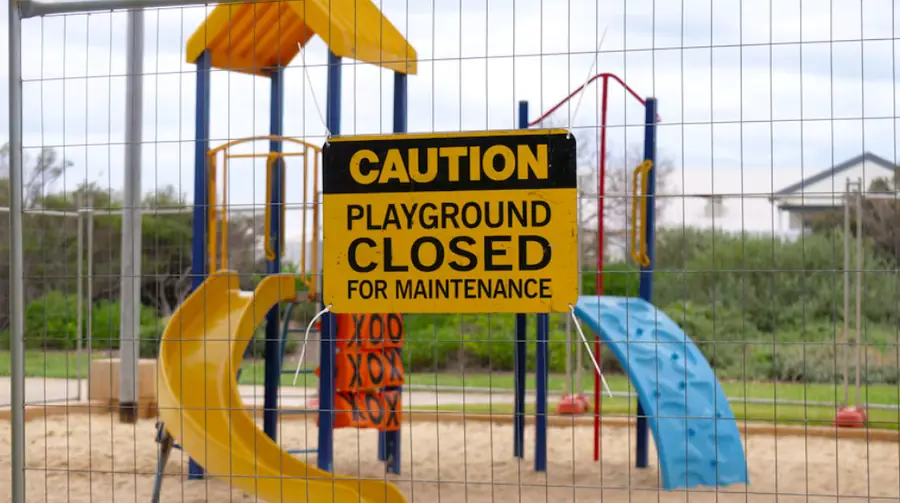
A playground in Geraldton, Western Australia, has been temporarily closed after a low level of thallium was detected in sand during a wider investigation into dust affecting the regional port city.
Fraser Gregory Park Playground in Beachlands was cordoned off as a precaution after the Department of Water and Environmental Regulation (DWER) identified what authorities described as an isolated, low-level detection. Geraldton is about 400 kilometres north of Perth.
Thallium found during Geraldton dust investigation
The finding emerged from an investigation launched after residents reported increased dust settling on homes and businesses, raising concerns about possible health and property impacts.
In July, DWER collected 40 soil samples from houses, schools, healthcare facilities and other locations across Beachlands. The suburb sits close to road and rail corridors leading into Geraldton Port.
DWER says thallium can be associated with some industrial processes, including metals and cement manufacturing. However, authorities have not established where the metal detected at the playground came from.
Environmental management is also under scrutiny elsewhere in regional Western Australia. The state’s FOGO waste system has faced pressure from processing and infrastructure challenges, highlighting some of the practical difficulties regional communities face in managing environmental services.
Why Fraser Gregory Park Playground was closed
City of Greater Geraldton Mayor Jerry Clune said the playground was quickly cordoned off while officials seek clearer information about the result and its significance.
The closure is precautionary. Authorities have not reported illness linked to the playground, and more assessment is needed to understand the significance of the detected concentration.
Investigators must consider several possible explanations, including Geraldton’s industrial history, legacy contamination and naturally occurring environmental factors. A single result cannot establish the source.
Lead results offer some reassurance
Preliminary testing also examined lead in dust and soil samples. Results released so far showed lead levels below the level considered unsafe for people.
Clune said those findings were encouraging for residents concerned about what may be contained in the dust, although the wider investigation remains underway.
Geraldton Port upgrades dust controls
The results emerged in the same week that Mid West Ports announced completion of an approximately A$9.95 million upgrade to its Lease 88 storage facility at Geraldton Port.
The project includes a purpose-built dust extraction system designed to capture material generated during iron ore handling and reduce the potential for dust to escape from the facility.
Environmental impacts associated with mineral handling have been investigated at other Australian ports. A separate case involving iron ore runoff and fish deaths at Darwin Port led to environmental scrutiny. The Geraldton investigation is separate, and officials have not linked the playground finding to port operations.
Geraldton dust investigation continues
DWER is examining the source, composition and movement of dust across affected parts of Geraldton through environmental inspections, sampling and laboratory analysis.
The department says Geraldton’s long industrial history means some test results could reflect legacy contamination or naturally occurring environmental factors rather than current industrial activity.
Official information and future updates are available through the Geraldton dust investigation page maintained by Western Australia’s environmental regulator.
Further testing planned at the playground
DWER will conduct additional testing at Fraser Gregory Park following guidance from the Department of Health. The playground will remain temporarily closed while authorities assess the finding and work to determine where the thallium came from.

Make Swikblog your go-to source on Google for reliable updates, smart insights, and daily trends.