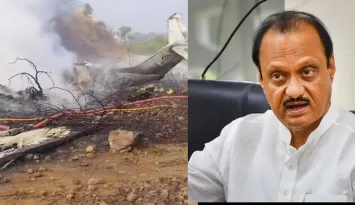

An aircraft carrying Maharashtra Deputy Chief Minister Ajit Pawar was involved in an incident while attempting to land at Baramati Airport on Tuesday, prompting a rapid emergency response. Firefighters, police personnel, and airport officials were deployed to the scene after reports of a hard landing and visible damage near the aircraft, while authorities began securing the area.
As is common during the early stages of an aviation incident, officials are working to verify key details before releasing a formal statement. Their immediate priorities include confirming the condition of everyone on board, assessing the aircraft, and documenting what happened during the final moments of the landing.
Emergency Crews Secured the Airport
Rescue teams moved quickly to secure the runway and eliminate potential fire hazards. Standard airport emergency procedures require responders to protect passengers and crew, establish a safety perimeter, and preserve evidence that may be needed during the investigation.
Images circulating online showed emergency vehicles surrounding the aircraft. However, visuals alone cannot confirm the extent of the damage or explain what caused the incident, making official verification essential.
How Aviation Investigations Begin
The landing phase is one of the most technically demanding parts of any flight. Investigators typically begin by reviewing the aircraft’s approach path, communications with air traffic control, local weather conditions, runway surface, and available flight data before determining whether mechanical, operational, or environmental factors played a role.
If there is visible structural damage, investigators may also inspect the landing gear, engines, braking system, and fuel components. While a preliminary update may be issued soon, a complete investigation often takes weeks or months depending on the complexity of the incident.
Why Early Reports Can Change
Incidents involving senior government leaders naturally receive widespread attention, but information released during the first few hours is often incomplete. Details such as the aircraft operator, the number of occupants, and the exact cause are usually confirmed only after authorities complete their initial assessment.
Civil aviation officials, local authorities, and emergency services are expected to provide verified updates as the investigation progresses. Until then, unverified claims circulating online should be treated with caution.
What Happens Next
Officials are expected to announce the condition of everyone aboard, provide information about the aircraft involved, and confirm whether airport operations have been affected. Investigators will also determine if additional technical inspections are required before the runway returns to normal use.
Anyone near the airport should avoid restricted areas while emergency personnel continue recovery and inspection work. Even after visible hazards are removed, aviation accident sites may contain fuel residue, damaged equipment, and active emergency operations.
For official developments as the investigation continues, follow updates from NDTV and statements issued by India’s civil aviation authorities.
Similar investigations have highlighted the importance of preserving evidence and allowing authorities to complete technical inspections. You can learn more from our report on the Air India crash and its impact on the aviation industry.
Confirmed findings are expected to emerge in stages as investigators complete their work. Official statements remain the most reliable source for understanding the cause of the incident and any operational changes that may follow.

Make Swikblog your go-to source on Google for reliable updates, smart insights, and daily trends.