
Amazon is widening its healthcare ambitions with a new nationwide GLP-1 weight loss program that brings together medical care, prescription access and home delivery under one umbrella. The rollout, announced through Amazon One Medical, is built around a simple idea: patients looking for weight-loss treatment often need more than a prescription. They need a clinician who can evaluate whether the medication is appropriate, monitor progress over time and help manage the wider health issues that can come with obesity, diabetes risk and metabolic disease.
That is the space Amazon is trying to enter more aggressively. Instead of presenting GLP-1 drugs as a standalone pharmacy product, the company is placing them inside routine primary care. Under the new program, patients can work with One Medical clinicians who will oversee treatment and track how weight loss may affect cardiovascular health, metabolic conditions and overall well-being. The model is designed to feel less like a one-time transaction and more like an ongoing care plan.
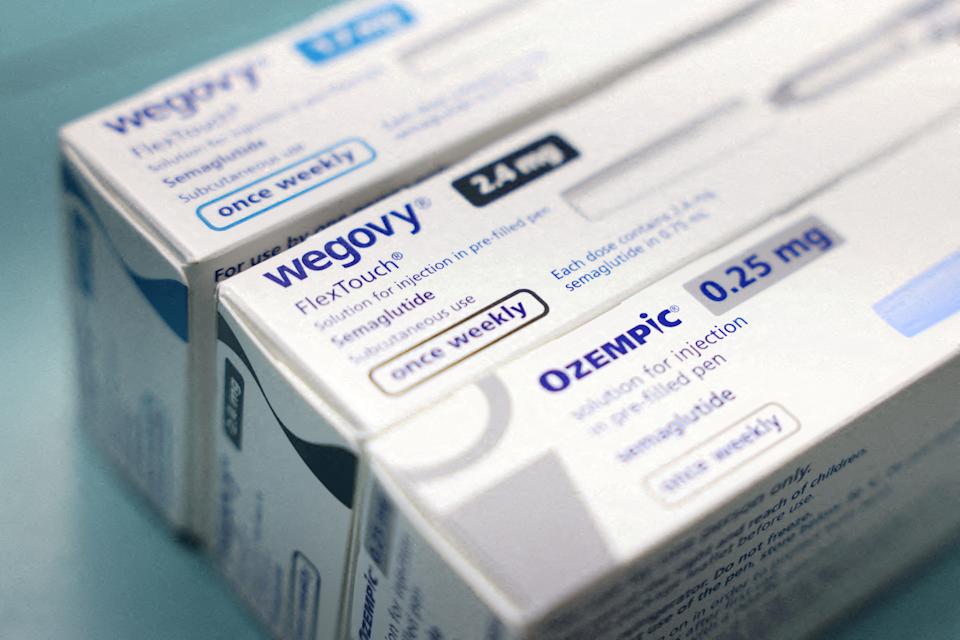
The move matters because GLP-1 medications have quickly become some of the most closely watched drugs in healthcare. While they were first approved to help people with Type 2 diabetes lower blood sugar, several of the same medicines are now widely prescribed in different doses or formulations for chronic weight management. They work by mimicking or affecting glucagon-like peptide-1, a hormone that plays a role in appetite, insulin response and digestion. In practical terms, that often means patients feel full sooner, experience fewer blood-sugar spikes and eat less over time.
Amazon’s pitch is that access to those treatments should be easier and more transparent. The company says insured patients can get started from $25 per month. For people without insurance, pricing begins at $149 per month for oral medications and $299 per month for injectables. That kind of upfront pricing is likely to be one of the strongest hooks for consumers, especially in a market where patients frequently run into confusing coverage rules, prior authorization delays and inconsistent out-of-pocket costs.
Another major part of the launch is fulfillment. Prescriptions written through the program are handled by Amazon Pharmacy, which will provide access to both injectable and oral GLP-1 medications. Amazon says the medications are available in all 50 states. The company also says same-day delivery is already offered in nearly 3,000 cities and towns, with plans to expand that footprint to around 4,500 locations by the end of the year. For patients trying to stay consistent on long-term treatment, that delivery network could become one of Amazon’s biggest advantages.
Why Amazon is betting on convenience, continuity and primary care
What makes this launch more significant than a basic pharmacy update is the way Amazon is tying several businesses together. One Medical brings the clinical side. Amazon Pharmacy handles prescription fulfillment. The company’s delivery infrastructure adds the convenience layer. Put together, the program gives Amazon a chance to own more of the patient journey, from evaluation to treatment monitoring to medication arriving at the door.
That integrated approach may prove especially important in GLP-1 care. These drugs are not a casual purchase, and successful treatment usually depends on regular follow-up. Some patients need dose adjustments. Others may need help navigating side effects or understanding how the medication interacts with other health issues. By embedding the program into primary care, Amazon is trying to position itself as a more complete healthcare provider rather than just a medication seller.
The timing also makes sense. Demand for GLP-1 medications remains strong, and interest has broadened beyond specialist weight-loss clinics and telehealth startups. Patients increasingly want easier access, but they also want medical oversight and reliable delivery. Amazon’s scale gives it a chance to compete on all three fronts at once.
There is also a practical reason this could resonate with consumers. Weight-loss treatment is often disrupted by friction: difficulty booking appointments, uncertainty over cost, delays at the pharmacy counter or missed refills that interrupt progress. Amazon’s new program is clearly aimed at reducing that friction. By offering clearer pricing and linking care with delivery, the company is trying to make treatment feel more manageable and less fragmented.
For people unfamiliar with GLP-1 medicines, the science behind them is part of why they have generated so much interest. After a person eats, GLP-1 helps the body increase insulin production, reduce the release of sugar into the bloodstream, slow digestion and send fullness signals to the brain. Those effects can support improved blood-sugar control and lower calorie intake, which is why these medications have become central to both diabetes care and modern obesity treatment. Readers looking for official medical guidance can review the FDA’s safety information on GLP-1 drugs used for weight loss.
Amazon’s announcement also reinforces how serious the company has become about healthcare. Since acquiring One Medical, it has been clear that Amazon was not interested in staying limited to online pharmacy services alone. This GLP-1 program shows how the company wants to blend technology, clinical care and logistics into one consumer-facing system. It is a strategy built around convenience, but it also reflects a larger belief that healthcare can be made more accessible when fewer steps stand between the patient and treatment.
That does not mean access will look identical for everyone. While Amazon says the medication side of the program reaches all 50 states, in-person access through One Medical will still depend on clinic presence and local availability. Even so, the combination of primary care oversight, prescription fulfillment and broad delivery reach gives Amazon a stronger national footprint than many smaller competitors in the weight-loss treatment space.
For patients, the biggest appeal may be simplicity. For Amazon, the bigger opportunity is building another long-term healthcare touchpoint inside its ecosystem. And for the broader market, this launch is another sign that the business of healthcare is increasingly about who can combine clinical trust with convenience at scale.
In the end, Amazon is not just selling access to popular weight-loss medications. It is making a play to become one of the easier, more connected ways for patients to begin and continue treatment. In a fast-growing category where demand is high and patient experience often feels messy, that could be the part of the story that matters most.

Make Swikblog your go-to source on Google for reliable updates, smart insights, and daily trends.