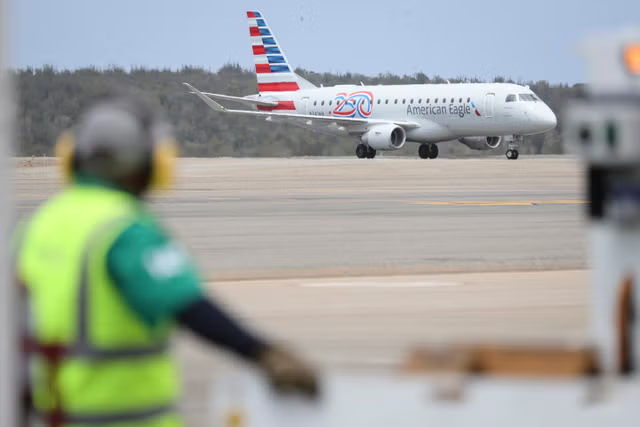

American Airlines is making targeted changes to its network this summer after surging fuel prices increased operating costs across the aviation industry. The carrier has confirmed that six domestic routes will be temporarily removed from its schedule during August and September, becoming one of several major airlines adjusting services as global energy markets remain volatile.
While route reductions often raise concerns among travelers, American Airlines has stressed that these changes are temporary and do not represent a permanent withdrawal from any market. The airline says affected passengers will have access to alternative travel arrangements or refunds, depending on their circumstances.
The announcement comes as airlines worldwide face growing pressure from higher fuel expenses linked to disruptions in global oil supplies. Industry experts say carriers are increasingly reviewing route profitability and aircraft utilization as operating costs rise.
Full List of American Airlines Routes Being Suspended
American Airlines will temporarily stop operating the following routes during August and September:
- Los Angeles to Cleveland
- Los Angeles to Columbus
- Los Angeles to Pittsburgh
- Los Angeles to Washington Dulles
- Charlotte to Ontario, California
- Charlotte to Sacramento
The affected routes connect important regional markets to two of the airline’s major hubs. Los Angeles serves as a key gateway for West Coast operations, while Charlotte remains one of American Airlines’ busiest connecting hubs in the eastern United States.
Travelers booked on these flights should monitor their reservations and email notifications from the airline. American Airlines has stated that customers impacted by the changes will be accommodated through rebooking options on other flights whenever possible. Those who choose not to accept an alternative itinerary may be eligible for a refund.
Why Rising Fuel Costs Are Affecting Airlines
Fuel is one of the largest expenses for commercial airlines, often representing a significant share of total operating costs. According to the International Air Transport Association (IATA), jet fuel can account for approximately 25% to 30% of an airline’s operating expenses, making fuel price movements a critical factor in route planning and profitability.
The latest schedule adjustments come amid higher oil prices linked to concerns over global energy supplies during the ongoing Iran conflict. When fuel prices rise sharply, airlines typically evaluate routes that generate lower margins and may temporarily reduce service to control costs.
Unlike weather-related disruptions or short-term operational issues, fuel-driven network adjustments can have a longer-lasting impact because they directly affect the economics of operating specific routes. Airlines must balance passenger demand, aircraft availability, crew scheduling and fuel expenses when making these decisions.
What It Means for Travelers
For passengers, the immediate impact is limited to the six affected routes. However, industry analysts note that higher fuel prices can eventually influence other parts of the travel experience, including airfare pricing, baggage fees and airline schedules.
Travelers planning trips during the late-summer season should remain flexible and regularly review their bookings. If a flight is affected, checking rebooking options early often provides a wider range of alternatives.
American Airlines is not the only carrier responding to cost pressures. Delta recently increased baggage fees, while European airlines including KLM Royal Dutch Airlines and Lufthansa have announced route reductions as they work to manage rising expenses. The aviation industry continues to navigate a challenging environment where strong travel demand is being offset by higher operating costs.
Read More
The broader impact can already be seen across international aviation, where global flight cancellations affecting major airlines have disrupted schedules and forced carriers to reassess operations in multiple regions.
For now, American Airlines maintains that the six route suspensions are temporary. Whether additional changes follow may depend largely on fuel prices and broader market conditions during the remainder of the summer travel season. As airlines continue to adapt to shifting economic realities, travelers can expect carriers to remain cautious about route planning and network expansion in the months ahead.

Make Swikblog your go-to source on Google for reliable updates, smart insights, and daily trends.