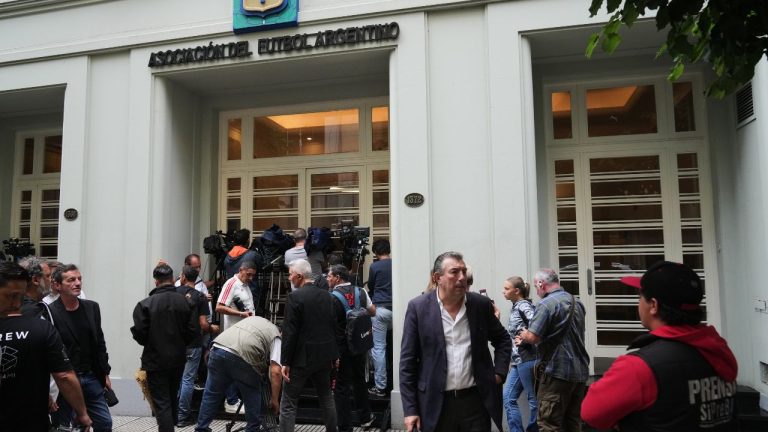
Argentine football has been thrown into fresh turmoil after federal police raided the headquarters of the Argentine Football Association (AFA) and a wide network of professional clubs in one of the country’s most extensive corruption and money-laundering investigations in years.
The operation, authorised by federal judge Luis Armella, saw officers sweep through the AFA’s main offices in Buenos Aires, the national team’s training base in Ezeiza, and facilities belonging to at least 17 clubs. Police seized documents, financial records and electronic devices as part of a probe into alleged illicit dealings with financial services firm Sur Finanzas.
According to court filings cited by local and international media, the investigation centres on suspected money-laundering and tax-evasion operations worth an estimated 818 billion pesos (around $560 million). Prosecutors believe the funds may have been channelled through sponsorship contracts, payment platforms and virtual accounts connected to Sur Finanzas, whose branding has become increasingly visible across Argentine football.
How a Financial Firm Became Football’s Latest Flashpoint
The case originated with a complaint from Argentina’s tax and customs agency, which accused Sur Finanzas of using a network of shell companies and low-income account holders to move vast sums of money without a legitimate economic explanation. Investigators are now scrutinising commercial agreements between Sur Finanzas and multiple clubs to determine whether football institutions were used to mask the true destination and ownership of the funds.
Police sources say the raids were designed to secure sensitive documents and digital evidence before any potential destruction. Several clubs, including Racing, San Lorenzo and Independiente, have stressed that they have not been charged and that their dealings with Sur Finanzas were purely commercial.
Both AFA and Sur Finanzas have said little publicly but indicated they will comply with the judicial process.
Politics, Power and a Deepening Rift Inside Argentine Football
The scandal comes at a volatile moment for the sport. AFA president Claudio “Chiqui” Tapia is already embroiled in a dispute with President Javier Milei over proposed reforms that would allow Argentina’s traditionally member-owned clubs to convert into private, for-profit entities.
Supporters of the reform argue that outside investment is essential to stabilise club finances. AFA, however, insists such changes threaten the social identity of Argentine football. The timing of the raids has fuelled speculation that the investigation could intensify this political confrontation.
For fans, though, the political backdrop matters less than the familiar sight of corruption allegations dragging the national game into disrepute. International coverage from outlets such as Bloomberg and AP News has already ensured that the scandal is resonating well beyond Argentina.
What Investigators Want to Know
Judicial sources say the inquiry is focused on contracts covering sponsorship, digital payment systems, ticketing platforms and image-rights agreements. Prosecutors are trying to establish whether these arrangements reflect genuine market-value services or whether clubs and intermediaries may have knowingly facilitated the movement of illicit funds.
The sums involved, spread across several years, are significant enough that proven wrongdoing could have severe consequences – not only for individuals but also for clubs already struggling under financial pressure.
Anti-laundering specialists have long warned that football, with its complex commercial web and high-value transactions, is particularly vulnerable to misuse when oversight is weak. Argentina now finds itself confronting a crisis that echoes previous corruption scandals across South America and Europe.
Supporters Fear Another Blow to a Fragile League
Fans awoke to images of police vans parked outside club facilities, triggering a mix of anger and resignation on social media. Many worry that the scandal will further damage a league already battling inflation, debt and the constant loss of young talent to Europe.
The timing is especially sensitive: the league has been seeking new international partners, new broadcast markets and a modernised global profile. A spiralling corruption probe risks undermining all of that momentum.
For broader football insights and tactical breakdowns, readers can explore our recent coverage of major fixtures such as the evolving crisis surrounding Real Madrid vs Manchester City: Read the full analysis here .
What Comes Next?
Investigators will now analyse the seized files and begin summoning executives, accountants and intermediaries for questioning. Should prosecutors uncover clear evidence of financial misconduct, charges could follow against both Sur Finanzas officials and any club representatives who authorised questionable contracts.
Football’s governing bodies may also intervene. AFA, CONMEBOL and even FIFA have the authority to impose fines, suspensions or competitive sanctions if they conclude that clubs violated integrity standards.
For now, matches continue and training grounds remain open. But the sight of federal police walking through AFA corridors is likely to cast a long shadow. Whether this moment becomes a turning point for accountability or simply another chapter in the sport’s long history of political and financial turmoil remains to be seen.

Make Swikblog your go-to source on Google for reliable updates, smart insights, and daily trends.