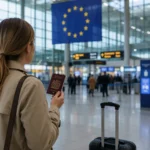

Canada has issued a fresh travel reminder for football fans heading to the FIFA World Cup 2026: buying a match ticket is not the same as getting permission to enter the country.
What Canada’s World Cup Travel Warning Means for Fans
The warning is aimed at thousands of supporters expected to arrive in Canada for World Cup matches in Toronto and Vancouver. While the tournament is expected to bring a festival atmosphere to both cities, border officials are making it clear that every visitor must still meet Canada’s regular entry requirements before reaching the stadium.
The Canada Border Services Agency has said there is no special FIFA visa, FIFA passport or automatic entry program linked to World Cup tickets. Fans who arrive without the correct travel documents can still be refused entry, even if they have paid for match tickets, flights and hotels.
Travel requirements will depend on where a visitor is from, how they are arriving and what travel document they hold. Some fans may need a visitor visa, while others may need an electronic travel authorization, known as an eTA. Visitors should check the official Government of Canada World Cup travel guidance before making final plans.
The warning also comes as fake visa claims continue to circulate online. Some posts have promoted “FIFA visas” or suggested that World Cup visitors can use the tournament to work or settle in Canada. Canadian officials say these claims are misleading. Fans should avoid unofficial agents or social media pages promising guaranteed approval.
U.S. citizens travelling to Canada will usually find the process simpler, with a valid passport being the easiest document to use. However, border officers may accept some alternative documents in specific cases, including enhanced driver’s licences, citizenship certificates or birth certificates with photo identification.
Fans travelling from outside the United States should be more careful. Many will need either a visa or an eTA before boarding a flight. Airlines may stop passengers from travelling if the required authorization is missing.
Longer waits are also expected at airports and land borders. With large groups of fans arriving around match days, even small delays during document checks could lead to bigger queues. Travellers should keep passports, visas, eTAs, hotel bookings and match details easy to access.
Canada has also announced temporary Ebola-related travel measures affecting certain immigration documents for citizens of the Democratic Republic of Congo, Uganda and South Sudan. Officials said the measures are precautionary and linked to higher travel volumes during the World Cup across Canada, the United States and Mexico.
Adults travelling with children who are not their own should carry a signed consent letter from the child’s parent or legal guardian. The child must also have proper identification and any required visa or travel authorization.
FIFA-accredited travellers should not expect special treatment at the border either. Accreditation may support their tournament role, but it does not replace immigration documents. Officials advise accredited visitors to keep their accreditation letter ready and use advance declaration services where available.
Read More
The travel warning adds another layer of planning for World Cup visitors already dealing with rising costs and accommodation pressure, including World Cup 2026 hotel booking changes and travel price concerns across host cities.
For fans, the safest move is to treat the trip like any major international journey. Confirm entry rules early, apply only through official channels, avoid visa scams and allow extra time at the border. A World Cup ticket may secure a seat for the match, but Canada’s message is clear: it will not open the border on its own.

Make Swikblog your go-to source on Google for reliable updates, smart insights, and daily trends.