
Global markets are showing mixed signals as investors react to rising geopolitical tensions and shifting economic indicators. The Australian share market edged lower, while Wall Street rallied overnight, highlighting a divergence in sentiment across regions.
ASX dips as Iran tensions weigh on sentiment
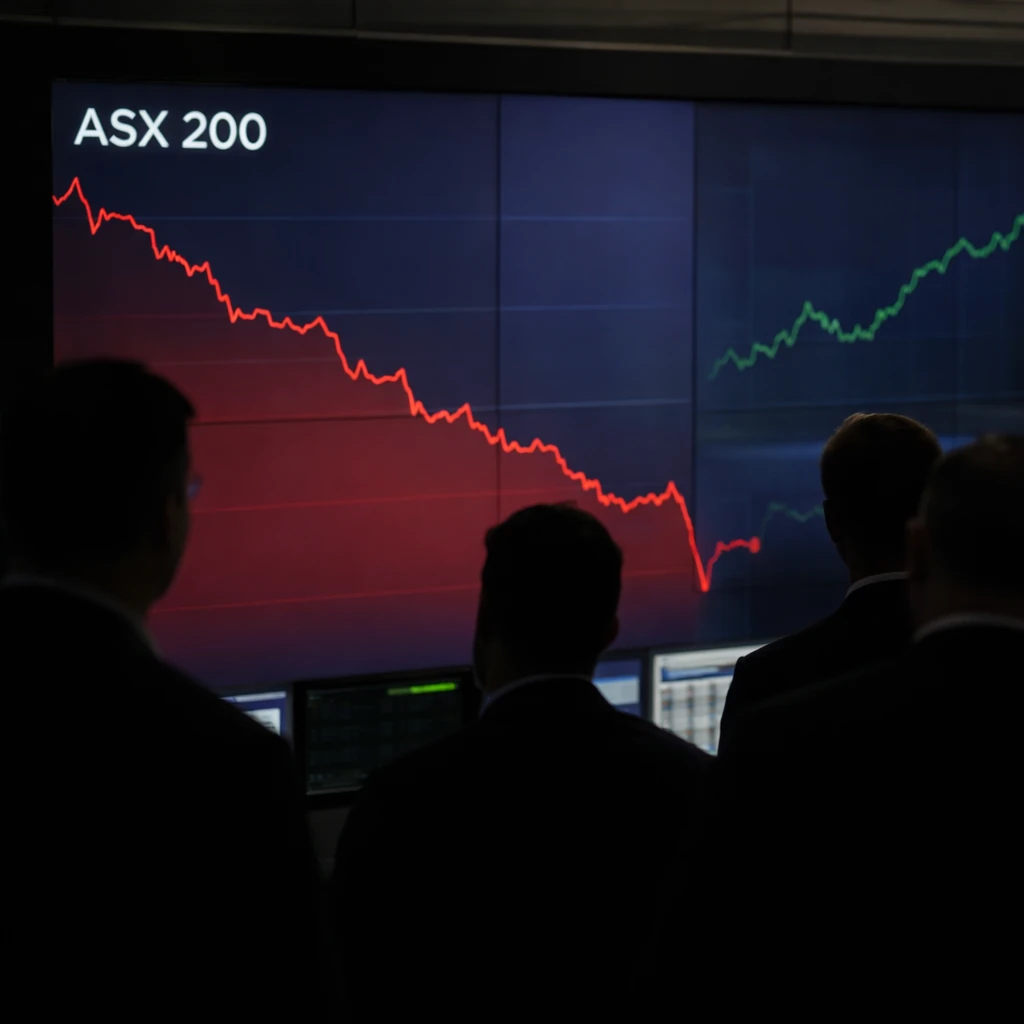
The ASX 200 slipped slightly, hovering near 8,530 points, after Iran rejected a US-backed ceasefire proposal. The move has raised concerns about prolonged instability in the Middle East, a key region for global energy supply.
Despite the dip, losses remained limited, suggesting investors are cautious rather than outright risk-averse. Energy stocks helped cushion the fall as oil prices stayed elevated, while technology and growth sectors showed mixed performance.
Among individual stocks, DroneShield surged more than 10%, leading gains on the index, followed by Orica, which climbed nearly 5%. On the downside, Genesis Minerals and Megaport were among the worst performers, each falling sharply during the session.
Wall Street rallies on de-escalation hopes
Overnight, US markets closed higher, with the Dow Jones, S&P 500, and Nasdaq all posting solid gains. The rally was driven by optimism that diplomatic efforts could still lead to de-escalation in the Middle East conflict, even as Iran rejected the latest proposal.
The Dow Jones led the gains, followed by the Nasdaq and S&P 500, as investors focused on resilience in the US economy and strong corporate earnings.
This divergence between US and Australian markets reflects differences in investor positioning, with Wall Street showing stronger risk appetite compared to more cautious sentiment in Asia-Pacific markets.
Oil surges above $103 as conflict fears intensify
Oil prices remain a central driver of global markets, with Brent crude holding above $103 per barrel. The surge comes amid renewed fears of supply disruptions following Iran’s rejection of ceasefire talks.
The Middle East accounts for a significant portion of global oil supply, and any escalation in the region could impact critical shipping routes such as the Strait of Hormuz. This has heightened concerns about potential supply shocks and further price spikes.
For more on how geopolitical risks are impacting crude markets, see this detailed oil price analysis.
Commodities and currencies in focus
Gold and silver prices edged higher, reflecting ongoing demand for safe-haven assets amid uncertainty. Gold traded above $4,500 per ounce, while silver posted stronger gains.
However, analysts warn that gold may face downside risks if real yields rise and geopolitical tensions ease. A potential shift in risk appetite could reduce demand for defensive assets later this year.
Meanwhile, the Australian dollar weakened slightly against the US dollar, reflecting broader caution in currency markets.
Global markets show divergence
European markets posted strong gains, with major indices such as the FTSE, STOXX, and DAX all rising. In Asia, performance was mixed, with Japan’s Nikkei edging higher while South Korea’s KOSPI and Hong Kong’s Hang Seng declined.
This divergence highlights how different regions are responding to the same geopolitical developments, with some markets focusing on potential de-escalation while others remain cautious.
Household wealth rises on property boom
In Australia, new data showed that total household wealth rose by 2.5% in the December quarter, driven largely by rising property prices. Residential real estate continues to play a central role in wealth creation, contributing the majority of the increase.
However, rising household borrowing partially offset these gains, reflecting growing financial pressures on consumers.
Auction activity surges ahead of Easter
Australia’s housing market is also seeing a sharp increase in activity, with more than 4,000 homes scheduled for auction this week across capital cities. This marks one of the busiest auction periods in recent years, particularly in Sydney and Melbourne.
The surge is expected to be short-lived, with activity likely to drop in the following week due to the Easter holiday period.
Health insurance complaints rise
Concerns are also emerging in the health insurance sector, where complaints about cancellation processes and customer service are increasing. The Private Health Insurance Ombudsman reported thousands of complaints over the past year, with many customers facing delays in cancellations and refunds.
With premiums set to rise in April, these issues are expected to remain a key concern for consumers.
What investors are watching next
Markets are now closely monitoring developments in the Middle East, as any escalation or de-escalation could trigger sharp moves across asset classes.
At the same time, investors are keeping an eye on central bank signals, inflation trends, and commodity prices, all of which will shape the global economic outlook.
For broader market updates and insights, follow coverage on MarketWatch.
For now, the key theme remains uncertainty. While Wall Street’s gains suggest resilience, the ASX’s slight decline reflects caution as geopolitical risks continue to influence global markets.
Disclaimer: This article is for informational purposes only and does not constitute financial advice.
You may also like: Nintendo Switch 2 Physical vs Digital Price Difference: Which Version Offers Better Value?

Make Swikblog your go-to source on Google for reliable updates, smart insights, and daily trends.