
Nintendo has triggered a major pricing shift for Switch 2 games, and it could change how millions of players choose between physical and digital copies in the months ahead. Starting in May 2026, Nintendo will officially begin charging different prices for the two formats on new Nintendo-published Switch 2 exclusives, with physical copies costing more than digital versions of the same game.
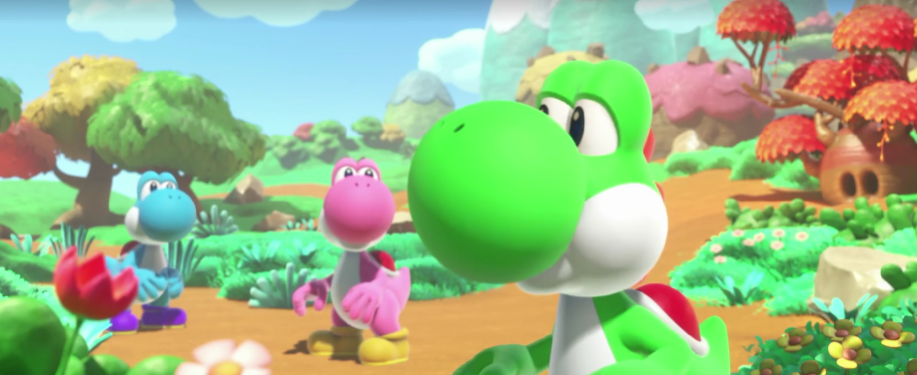
The first title to reflect this new pricing model is Yoshi and the Mysterious Book, which launches on May 21, 2026. Nintendo has listed the game at $59.99 digitally and $69.99 physically, creating a $10 price gap that immediately puts the spotlight on how the company now values each format.
Nintendo says physical game prices are not increasing
After the announcement sparked confusion online, Nintendo issued a clarification stressing that “the cost of physical games is not going up”. Instead, the company said it is now setting a lower MSRP for digital versions of Nintendo-published games exclusive to Switch 2 in the U.S., while physical versions will keep a higher suggested retail price.
According to Nintendo, the change reflects the different costs associated with producing and distributing each format. Packaged games require manufacturing, printing, shipping, and retail handling, while digital copies avoid those physical supply chain expenses. Nintendo also noted that retail partners remain free to set their own prices for both physical and digital games, though most major retailers generally stay close to the company’s pricing guidance outside of promotions and discounts.
Why this move is getting so much attention
This is a significant break from Nintendo’s long-standing pricing approach. For years, the company largely kept digital and physical versions of its games priced the same, even as the rest of the industry leaned harder into digital distribution. That consistency helped physical releases maintain their appeal among collectors, families, younger players, and buyers who liked the option to lend, trade, or resell cartridges later.
Now, Nintendo is clearly creating a new value gap between formats. Players who want the convenience of digital will pay less, while players who still prefer a box on the shelf will now need to spend more. That may sound like a modest change on paper, but over several major first-party releases, the extra cost can add up quickly, especially for households that buy multiple games a year.
Yoshi and the Mysterious Book is only the beginning
For now, Nintendo’s pricing shift begins with Yoshi and the Mysterious Book, but the company’s wording suggests that this will apply to new Nintendo-published digital titles exclusive to Nintendo Switch 2 going forward. That means future first-party exclusives are likely to follow the same model, even if Nintendo has not yet confirmed whether every release will carry the exact same $10 spread.
Importantly, the company has not indicated that this change will be applied retroactively to games that have already launched. Existing Switch 2 titles that are already priced at $70 or $80 in both formats do not currently appear to be affected. That means the shift looks less like a blanket repricing of the entire library and more like a new strategy for upcoming releases.
The physical ownership debate is getting more complicated
The timing of Nintendo’s decision matters because physical game ownership on Switch 2 was already facing criticism before this announcement. One of the biggest talking points has been the console’s Game-Key Card system, which allows some physical releases to ship on a card that does not actually contain the full game data. Instead, the card functions more like a license key, letting players download the game digitally while still requiring the card to be inserted into the console to launch it.
That setup preserves some of the traditional benefits of physical media. A Game-Key Card can still be lent to a friend, resold later, or moved between systems without being tied permanently to one Nintendo account. But it also removes one of the biggest reasons many people buy physical games in the first place: the ability to insert a cartridge and play without needing a major download or using up console storage.
As a result, some players now see the new pricing model as a double frustration. In certain cases, physical buyers may end up paying more while still not getting a fully self-contained copy of the game on the cartridge itself.
Cartridge production limits have also added to the frustration
Another issue in the background is the limited flexibility of Switch 2 cartridge manufacturing. Developers who wanted to release physical copies reportedly faced restrictions on cartridge capacities, with early indications suggesting Nintendo initially only offered 64GB game cards. That created an awkward choice for studios making smaller games: either pay for more flash storage than they actually needed or use the Game-Key Card system instead.
There were later reports that Nintendo had begun offering 16GB and 32GB cartridges, but those claims were publicly retracted shortly afterward, leaving the situation unclear. Even so, the uncertainty around cartridge options has added to the sense that physical publishing on Switch 2 is more complicated and more expensive than many players expected.
What this means for gamers and families
For digital-first players, Nintendo’s decision may be easy to accept. Paying less for the same game is a straightforward win, particularly for buyers who already prefer downloading titles directly to their console. In that sense, the company is making digital look more attractive than ever.
For collectors and longtime Nintendo fans, though, this change lands differently. Physical releases have always held extra value because they can be displayed, preserved, gifted, shared, and resold. Nintendo still has one of the strongest physical audiences in gaming, especially among younger players and families who buy boxed copies as presents. A $10 premium on every new first-party physical game could gradually chip away at that habit.
Families may feel the impact especially quickly. Buying several physical games over a holiday season or across multiple birthdays could now cost significantly more than going digital, even if parents would have preferred the flexibility of a cartridge that children can swap between systems.
Part of a larger industry trend
Nintendo’s pricing change also fits into a wider industry reality. Game publishers and hardware makers have been under increasing pressure from rising costs tied to semiconductors, manufacturing, logistics, shipping, and broader global trade disruptions. Nintendo has already increased prices on certain accessories and raised the price of the older Switch 1 in some cases, even while keeping the Switch 2 console itself steady for now.
The company has also warned that higher console pricing may still become necessary in the future. Seen in that context, the new physical-versus-digital pricing model looks like a way for Nintendo to protect margins without directly increasing the headline digital price for every new game.
Why this matters beyond a single $10 increase
The real significance of this change is not just the extra $10. It is what that price gap says about where Nintendo sees the market heading. By making digital the cheaper option and physical the more expensive one, Nintendo is subtly encouraging players to move toward downloads, even while still supporting boxed releases.
That shift may not end physical media overnight, but it does mark an important change in direction for one of the few major game companies whose audience still strongly values cartridges. If upcoming titles such as Fire Emblem: Fortune’s Weave and Splatoon Raiders follow the same structure, the reaction to Yoshi’s launch may end up being remembered as the moment Nintendo’s physical pricing strategy truly changed.
For Switch 2 owners, the message is now clear. Starting in May, choosing physical will no longer just be a matter of preference. It will also mean paying a premium.
For more updates on major consumer-facing policy and pricing changes, you can also read this detailed breakdown of the IRS refund 2026 21-day rule and expected refund dates.

Make Swikblog your go-to source on Google for reliable updates, smart insights, and daily trends.