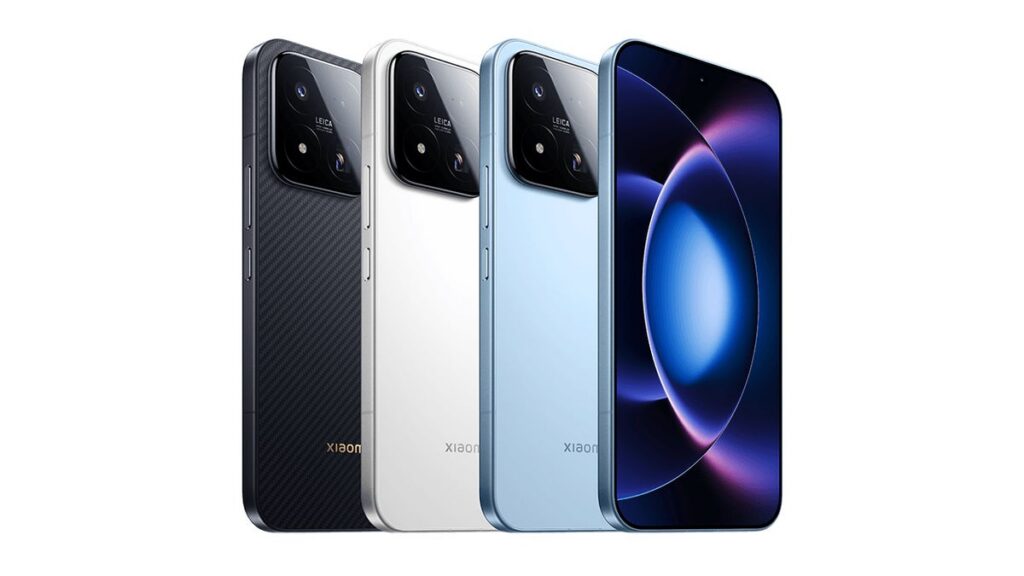

Xiaomi 17 Max is now official, and it arrives at a time when flagship phone buyers are asking for more than small yearly upgrades. Instead of chasing a thinner body or another design gimmick, Xiaomi has built the 17 Max around three things users notice every day: battery life, camera hardware, and sustained performance.
The phone completes the Xiaomi 17 series and sits apart from the Pro Max model in an important way. Xiaomi has removed the secondary rear display found on the 17 Pro Max and used the 17 Max to focus on more practical hardware. The result is a large-screen flagship with an 8,000mAh silicon-carbon battery, a 200MP main camera, and Qualcomm’s Snapdragon 8 Elite Gen 5 chipset.
The battery is the biggest talking point. At 8,000mAh, the Xiaomi 17 Max offers far more capacity than many premium phones sold globally, including several models that still sit around the 5,000mAh mark. Xiaomi says the silicon-carbon cell can deliver more than two days of regular use and retain around 80% of its battery health after 1,600 charging cycles. That makes the phone especially interesting for heavy users, gamers, travelers, and anyone tired of charging before the end of the day.
Charging is also handled aggressively. The device supports 100W wired charging and 50W wireless charging, giving it a clear advantage over many mainstream flagships where charging speeds remain more conservative.
Performance comes from the Snapdragon 8 Elite Gen 5, Qualcomm’s latest premium mobile platform for high-end Android devices. Qualcomm says the chipset is designed for next-generation mobile performance, gaming, AI features, and efficiency. Readers can check the platform details on the official Qualcomm Snapdragon 8 Elite Gen 5 page.
Xiaomi pairs the processor with up to 16GB LPDDR5X RAM and 512GB UFS 4.1 storage. That combination should make the 17 Max capable of handling demanding apps, multitasking, gaming, high-resolution photography, and long-term software use without feeling underpowered.
The display is equally premium. Xiaomi has used a large 6.9-inch AMOLED panel with a 120Hz refresh rate and up to 3,500 nits peak brightness. That should help the device feel smooth during scrolling and gaming, while also improving outdoor visibility and HDR content playback.
The camera system is another major reason this phone stands out. On the back, the Xiaomi 17 Max includes a triple-camera setup with a 200MP wide camera, a 50MP 3x telephoto lens, and a 50MP 17mm ultrawide camera. For selfies and video calls, there is a 32MP front camera.
A 200MP camera does not automatically guarantee better photos in every situation, but it gives Xiaomi more room for detail capture, cropping, and pixel-binning in low light. The addition of both telephoto and ultrawide cameras also makes the setup more useful than phones that rely only on a high-megapixel main sensor.
Read More
The Xiaomi 17 Max runs HyperOS 3 based on Android 16 and carries IP68 and IP69 ratings for dust and water resistance. These details matter because Xiaomi is not positioning the device as a niche battery phone. It is clearly being presented as a full premium flagship with durability, performance, imaging, and endurance built into one package.
In China, the Xiaomi 17 Max is available in black, white, and blue. Pricing starts at CNY 4,799 for the 12GB RAM and 256GB storage model, which is roughly $705 by direct conversion. The higher 16GB RAM and 512GB storage version costs CNY 5,799, or around $853 by direct conversion. Actual international pricing would differ if Xiaomi decides to launch the device outside China.
The global question is still unanswered. For now, the Xiaomi 17 Max appears to be a China-focused launch, with no confirmed US or wider Western release. That will disappoint many Android fans because the phone delivers exactly the kind of battery upgrade users have been requesting from Samsung, Apple, and other major brands for years.
The launch also comes during a period when component costs and memory pricing are affecting smartphone makers. Swikblog recently covered how Xiaomi has already faced pricing pressure from rising chip and memory costs in its report on Xiaomi phone price increases linked to memory chip costs.
What makes the Xiaomi 17 Max important is not just the spec sheet. It shows that Android brands can still make meaningful hardware jumps when they choose to prioritize real-world use. A brighter display, larger battery, faster charging, stronger camera system, and flagship processor are upgrades users can actually feel.
The Xiaomi 17 Max may not be easy to buy globally yet, but it sends a clear message to the rest of the flagship market: battery life is becoming a serious battleground again, and Xiaomi has just raised the standard.

Make Swikblog your go-to source on Google for reliable updates, smart insights, and daily trends.