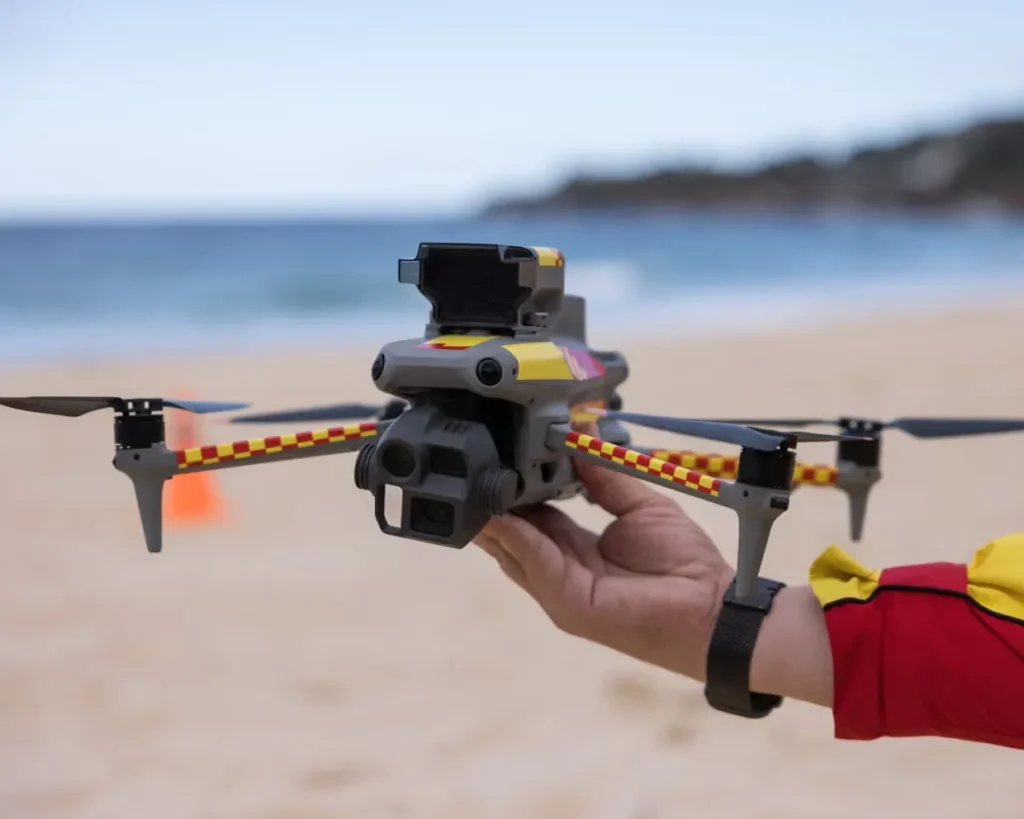

Australia is moving to expand shark drone patrols across 70 beaches in New South Wales from July 1, with the state government committing $34 million to a broader safety program aimed at giving swimmers, surfers and families more confidence in the water.
The expanded NSW shark monitoring program will see drones fly from dawn to dusk throughout the year at selected beaches. The rollout includes all 38 Sydney ocean beaches and another 32 beaches across regional NSW, making it one of the state’s most visible technology-led beach safety upgrades.
The announcement follows heightened concern after several shark sightings and attacks, including the June 13, 2026 attack on Sydney mother Leah Stewart at Coogee Beach. Stewart is no longer in a critical condition, but the incident has renewed debate over how NSW should manage shark risk at busy coastal locations.
Drone surveillance is also part of a wider shift toward technology in Australian public safety, with AI-driven tools now appearing in everyday services such as Woolworths’ new Olive AI shopping assistant, showing how automated systems are increasingly being used to support faster decisions.
What Starts From July 1?
From July 1, 2026, shark-spotting drones will operate year-round at 70 NSW beaches. In Sydney, coverage will expand from 26 beaches to all 38 ocean beaches, running from Palm Beach in the northern beaches area to Cronulla in the south.
Outside Sydney, 32 regional beaches will be included in the year-round program. The government says at least one beach in every coastal local government area will receive drone monitoring, with priority given to beaches that attract high numbers of swimmers and surfers.
The program will not cover every beach in NSW, but it significantly widens surveillance at popular swimming and surfing areas. Other regional beaches will also receive extra monitoring, including daily flights from December 1 to April 30, weekend patrols throughout the year and longer daily operating hours during peak periods.
Why NSW Is Spending $34 Million
NSW Premier Chris Minns said the investment is designed to restore confidence while acknowledging that no government can promise zero shark interactions. The aim is to put more “eyes in the sky” so sharks can be spotted earlier and people in the water can receive a clearer warning.
That distinction matters. The program is not being presented as a total solution to shark risk. Instead, it is a risk-reduction strategy based on earlier detection, faster communication and better support for lifesavers.
Surf Life Saving NSW will carry out the expanded drone patrols. The organisation already operates drone surveillance along the coast, including school holiday programs, and says drones have become an important part of shark management.
Drones Have Already Changed Shark Monitoring
Surf Life Saving NSW chief executive Steve Pearce said drones are already proving effective. According to the organisation, more than 100,000 flights have been conducted this year, with drones helping identify and prevent more than 2,000 potential shark interactions involving swimmers and surfers.
The appeal of drones is practical. They can cover water quickly, provide lifesavers with a wider view of surf conditions and help authorities decide when to clear the water. They can also be deployed without permanently changing the marine environment.
However, more surveillance can also mean more reports of shark activity. Some experts have warned that as more drones fly, people may hear about sharks more often, even when the actual level of danger has not changed.
AI Shark Detection Trials Planned for Summer
The $34 million package will also fund trials of new artificial intelligence shark detection systems over summer. The long-term goal is to improve detection from drone footage and potentially move toward more automated flights.
University of Sydney shark policy expert Associate Professor Christopher Pepin-Neff described the AI plan as ambitious, but warned that the public should remain realistic. Drones can improve awareness, but they cannot make the ocean risk-free.
Conditions such as glare, waves, murky water and distance from shore can affect visibility. AI may help operators detect shapes faster, but human judgment and lifesaver response will still remain central to public safety.
Official alerts, shark safety information and tagged shark updates are available through the NSW Government’s SharkSmart program.
Sydney Harbour Gets Extra SharkSmart Monitoring
The expansion also includes two SharkSmart listening stations in Sydney Harbour. These stations are designed to detect tagged sharks and alert authorities when tagged animals move through monitored waters.
Sydney Harbour has become a particular focus because of concern around bull sharks. Minns said the government is reviewing shark numbers in the harbour and considering available measures before summer.
Why a Great White Cull Is Not the Main Response
The NSW government has resisted calls for a great white shark cull. Minns said white sharks travel huge distances and are a protected species, making a local cull unlikely to meaningfully reduce risk at individual beaches.
Pepin-Neff made a similar point, explaining that white sharks are pelagic and can move across vast ocean areas. A shark seen off NSW on one day may have travelled from Queensland or New Zealand, meaning killing a small number locally would not control the wider movement of the species.
Bull sharks are a different policy issue because they are not protected in the same way. Minns said he could not rule out a bull shark cull if evidence shows numbers are higher than normal in Sydney Harbour, but scientists have urged caution.
What Marine Scientists Are Warning
Robert Harcourt, emeritus professor of marine ecology at Macquarie University, said long-term bull shark tagging data does not show evidence of increased abundance. He said there is some evidence sharks may be arriving earlier and staying longer, but argued that a cull is not a rational response to that pattern.
Harcourt welcomed greater funding for drone monitoring, noting that the benefits go beyond shark detection. Drones can also help monitor rips, distressed swimmers, crowded surf zones and other hazards that lifesavers need to manage quickly.
Read More
What It Means for Beachgoers
For swimmers and surfers, the biggest practical change will be more regular aerial patrols and faster warnings when sharks are seen near the shore. Some beaches may experience more temporary water clearances because authorities will have better visibility of what is happening offshore.
That may feel disruptive on busy beach days, but it also gives lifesavers more information before risk escalates. More drone sightings do not automatically mean more sharks; in many cases, better monitoring simply makes existing marine activity more visible.
Beachgoers should continue to follow basic safety advice: swim at patrolled beaches, stay between the flags, follow lifesaver instructions, avoid poor-visibility water and leave the ocean immediately when asked.
A Technology-First Shift in Shark Safety
The expanded NSW program marks a clear shift toward technology-first shark management. Instead of relying only on traditional measures or reacting after incidents, the state is investing in detection, monitoring, alerts and data-led decision-making.
From July 1, the message for NSW beachgoers is clear: more drones will be watching more beaches for longer hours. The ocean will remain a wild environment, but lifesavers will have more tools to spot danger earlier and help people make safer decisions before entering the water.

Make Swikblog your go-to source on Google for reliable updates, smart insights, and daily trends.