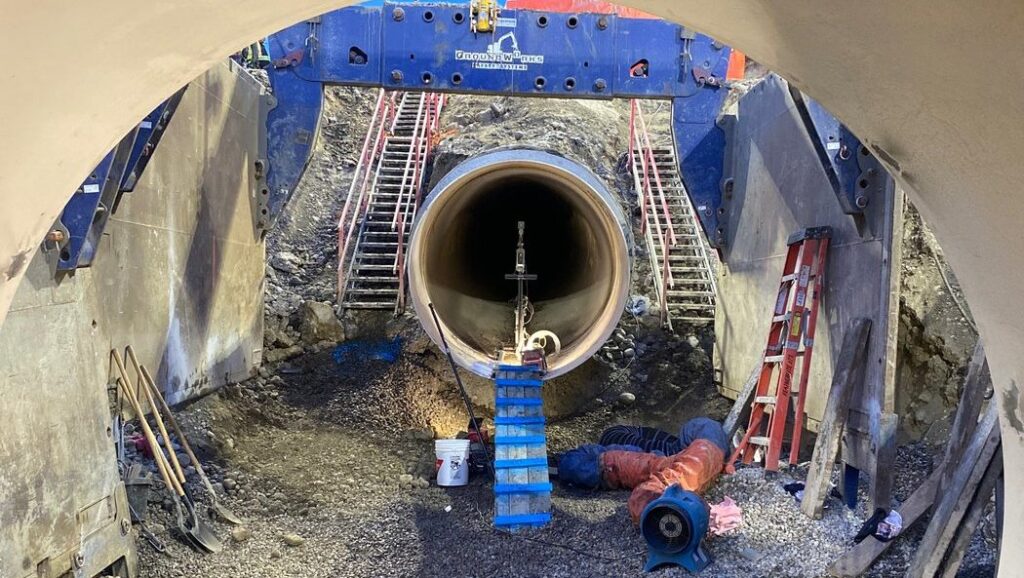

After weeks of tight water restrictions and mounting frustration, Calgary residents are finally getting relief — but the city’s fragile infrastructure means the respite may only be temporary.
City officials confirmed that water restrictions have now been lifted following the successful repair of the troubled Bearspaw South Feedermain, a critical piece of infrastructure that had forced households and businesses to sharply cut usage since early March.
The turning point came after crews completed a series of high-risk repairs and safely reintroduced pressure into the system. Water quality testing has since confirmed the supply is safe, allowing normal usage to resume across the city.
The scale of the work highlights just how vulnerable Calgary’s water network has become. Since the shutdown on March 9, crews reinforced nine high-risk sections of the pipeline, replaced faulty valves, completed structural concrete work, and restored affected roadways. The system has now been fully tested and returned to service.
For residents, the change is immediate. Daily routines that had been disrupted — from limiting showers to postponing laundry — can now return to normal. Public facilities are also reopening fully, with pools, hot tubs, and recreational water features gradually coming back online.
Traffic disruptions caused by the repair work, particularly along key routes like 16 Avenue NW and Sarcee Trail, are expected to clear by the weekend, easing another layer of disruption tied to the crisis.
Yet behind the relief lies a deeper concern. This marks the third round of water restrictions in just two years, underscoring a recurring issue rather than a one-off failure. The feeder main itself remains in poor condition, and city officials have made it clear that the risk of another breakdown has not been eliminated.
Until a new pipeline is fully operational — expected later this year — Calgary remains exposed to further disruptions. Another shutdown is already planned for the fall to connect the replacement infrastructure, and emergency restrictions could return sooner if additional issues arise.
This ongoing cycle reflects a broader challenge facing many growing cities: aging infrastructure struggling to keep pace with demand. Calgary’s reliance on backup systems, including shifting capacity to the Glenmore treatment plant during repairs, shows the importance of redundancy — but also its limits.
The situation has also revealed how quickly urban life can be reshaped by infrastructure stress. Small behavioral changes — shorter showers, delayed laundry cycles — became citywide habits almost overnight, demonstrating both public cooperation and the delicate balance of essential services.
While the current milestone brings a sense of normalcy, the underlying reality remains unresolved. Calgary may have restored its water flow for now, but the system’s long-term stability still depends on completing its next phase of upgrades without further setbacks.
More details on municipal infrastructure updates can be explored through official city updates.

Make Swikblog your go-to source on Google for reliable updates, smart insights, and daily trends.