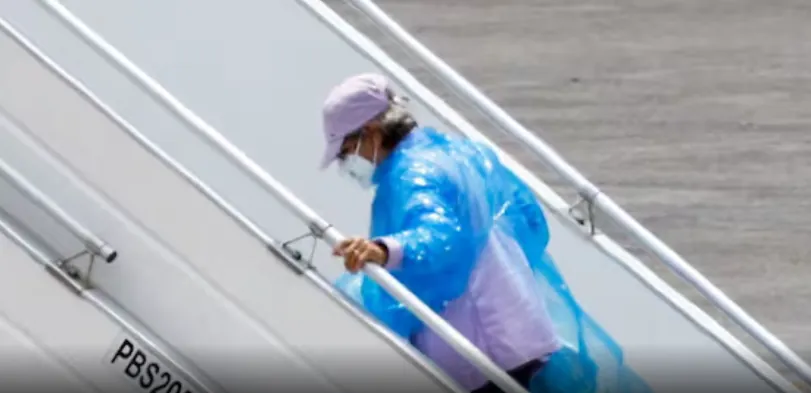

A Canadian cruise passenger isolating in British Columbia has tested presumptive positive for the rare Andes strain of hantavirus after returning from the Antarctic expedition ship MV Hondius, prompting heightened monitoring by Canadian health officials and renewed attention on a deadly outbreak that has already claimed three lives.
British Columbia Provincial Health Officer Dr. Bonnie Henry confirmed Saturday that the traveller, a Yukon resident in their 70s, began experiencing mild symptoms including fever and headache two days earlier while in monitored isolation on Vancouver Island. The individual and their partner were transferred to hospital in Victoria for evaluation and testing.
Late Friday evening, the BC Centre for Disease Control public health laboratory reported that the symptomatic traveller tested positive for the Andes strain of hantavirus. Officials emphasized that the result remains “presumptive” until confirmatory testing is completed at Canada’s National Microbiology Laboratory in Winnipeg.
“Clearly, this is not what we hoped for, but it is what we planned for,” Henry said during a public briefing, while also stressing that health officials do not believe the virus poses pandemic-level risk.
The traveller’s partner tested negative despite being hospitalized for observation and infection-control precautions. A third passenger was also moved to hospital “out of an abundance of caution,” while the fourth traveller continues isolating at home under monitoring orders.
Canadian travellers entered a critical incubation phase
The four Canadians had returned to Victoria on May 10 after leaving the MV Hondius cruise ship, which became linked to an international hantavirus outbreak during its Antarctic voyage. Public health authorities required the passengers to enter a minimum 21-day isolation period because they were believed to be entering the highest-risk stage of the virus’s incubation window.
The isolated group included a Vancouver Island resident in their 70s, a British Columbia resident in their 50s who lives abroad, and the Yukon couple now under hospital care.
Health officials previously warned that the travellers were approaching a “very critical phase” in the incubation period. Symptoms of hantavirus can emerge anywhere from one to eight weeks after exposure.
Unlike most hantavirus strains, the Andes variant has been associated with rare person-to-person transmission, which is why international health agencies have treated the outbreak with unusual caution.
The World Health Organization identified the Andes strain among infected passengers aboard the ship earlier this month. The virus is more commonly found in parts of South America, particularly Argentina, where hantavirus outbreaks linked to rodents occasionally occur.
The MV Hondius departed from Argentina in April before the outbreak was identified. Three people connected to the ship have died since the cluster of infections emerged.
Canadian authorities said nine travellers nationwide have been classified as high-risk exposure cases and instructed to isolate. The Public Health Agency of Canada also said 27 people across the country are being monitored after sharing flights with a confirmed hantavirus case, though those passengers are not considered close contacts based on seating arrangements and exposure timing.
Readers can review the official international outbreak advisory through the World Health Organization outbreak update.
Swikblog previously covered the growing health response tied to the cruise ship exposure and Canada’s monitoring measures in this related report: Hantavirus Cruise Ship Outbreak Triggers Canada Isolation Measures.
Read More
Why officials say there is no wider public danger
Even with the presumptive positive case now identified in Canada, British Columbia health authorities insist the overall risk to the public remains low.
Dr. Henry said the travellers had no contact with the public after arriving in British Columbia. Infection-control precautions were implemented immediately from the moment they landed, including controlled transportation and monitored isolation arrangements.
Three of the four isolated passengers are now being cared for in hospital negative-pressure rooms, designed to prevent contaminated air from escaping into surrounding areas. Hospital staff are using established protective protocols and personal protective equipment while treating the patients.
Dr. Réka Gustafson, chief medical health officer for Island Health, said regional hospitals had spent days preparing for the travellers’ arrival and training staff in advance.
“There’s no need to delay seeking care in Island Health today should you or your family need it,” Gustafson said, reassuring residents that hospitals routinely manage patients with serious infectious diseases safely.
Health officials also stressed that people who may have shared flights with the travellers are not currently considered at significant risk because the infected passenger did not develop symptoms until approximately 48 hours after arriving in Canada.
The Andes strain remains concerning because human-to-human spread, although rare, has been documented in previous outbreaks in South America. Most hantavirus infections worldwide occur after exposure to infected rodent droppings, urine or saliva.
Symptoms typically begin with fever, headaches, muscle aches and fatigue before potentially progressing into severe respiratory complications known as hantavirus pulmonary syndrome. There are currently no approved vaccines or specific antiviral treatments for hantavirus infections, meaning early supportive medical care remains critical.
Canadian health officials continue coordinating with the World Health Organization and national laboratories while monitoring exposed travellers in British Columbia, Ontario and Alberta. For now, authorities say the response systems put in place are functioning as intended, even as the first presumptive Canadian case linked to the cruise outbreak moves into active medical care.

Make Swikblog your go-to source on Google for reliable updates, smart insights, and daily trends.