Football
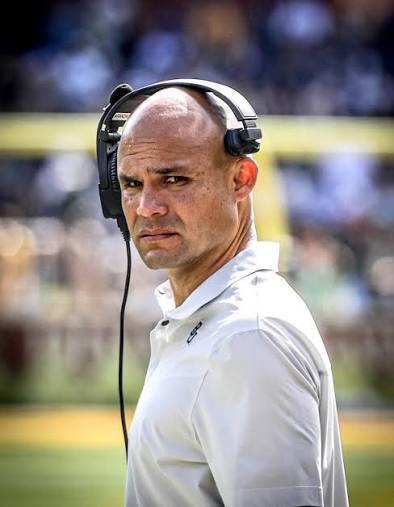
Chelsea have confirmed Liam Rosenior as their new head coach, a decision that signals a clear shift in direction — and sets an immediate spotlight on style, squad choices, and expectations at Stamford Bridge.
Chelsea have made it official: Liam Rosenior is the club’s new manager. The announcement landed with the sort of instant impact you only get when a major Premier League club turns the page — the spike in searches, the rapid-fire headlines, the rush of reactions. But once the news alert fades, the bigger question remains: what does this appointment actually mean for Chelsea’s football, and how quickly will the effects show?
Rosenior arrives with a reputation built on modern coaching ideas — structured pressing, controlled build-up, and a strong emphasis on improving players rather than simply replacing them. That matters at a club where the last few seasons have often felt like a loop: a big statement, a turbulent run, then another reset. This time, the move reads like a deliberate attempt to create a clearer identity and a more stable long-term plan.
Chelsea’s statement confirms the headline; the work starts now. Pre-season, the first training sessions, and the first selection calls will shape how supporters interpret this decision — not in months, but in days.
Why Chelsea chose Rosenior
Big clubs don’t just hire a coach; they buy into a philosophy. Rosenior’s appeal is that he represents a “coaching-first” approach — the kind of appointment that suggests Chelsea want a manager who can develop a squad, impose a playing style, and bring consistency to the week-to-week plan.
That could be especially significant for a team packed with young, high-upside talent. A manager who improves individuals can raise the overall level faster than one who relies on short-term fixes. If Chelsea’s hierarchy are betting on progress through coaching, Rosenior is being hired to build patterns: how Chelsea press, how they progress the ball, how they manage transitions, and how they control matches when the stadium gets tense.
The other reason is messaging. Chelsea’s appointment signals intention: less noise, more structure; fewer “emergency switches,” more continuity. It’s a promise to fans that the club is serious about a coherent project — and it’s a challenge to Rosenior to make that promise real.
What changes first: training ground to matchday
The earliest changes under a new manager are usually visible in two places: how the team defends, and how they build attacks. Chelsea supporters should watch for clearer pressing triggers — the moments when the team steps up together — and a more coordinated shape without the ball.
In possession, the “feel” of Chelsea may shift too. Expect more deliberate build-up, more passing sequences designed to create space, and a sharper plan for getting attackers into the right zones. When a new manager is genuinely reshaping a team, you often see it in small details: full-backs choosing different angles, midfielders receiving on the half-turn more often, and forwards timing runs to open lanes rather than just chasing the ball.
Results will still matter — they always do at Chelsea — but performance trends can be just as revealing early on. If the structure looks clearer even when the finishing is cold, it’s usually a sign the foundation is being built.
The immediate pressure points
With any Chelsea appointment, the scrutiny is immediate. The questions will arrive in a familiar order: Who becomes the core of the project? Who loses minutes? How ruthless will the manager be with underperformers — and how patient will the club be if results wobble?
Rosenior’s first big task is to establish trust inside the dressing room. Players will respond to clarity: clear roles, consistent decisions, and a plan that makes sense in the heat of a match. Supporters, meanwhile, will want to see the team look like it knows what it is trying to do — even against opponents who force Chelsea to suffer without the ball.
Then there’s recruitment. Whether Chelsea go big in the market or focus on balance, the most important thing is alignment: signings that fit the manager’s idea, not just the club’s appetite for “talent.” If Chelsea and Rosenior are on the same page, you’ll see it in the profiles targeted — functional needs as well as star names.
What fans should watch over the next month
- Identity: Does Chelsea play with a recognizable style, even in difficult games?
- Intensity: Is the press coordinated, or does the team still break into isolated sprints?
- Selection: Which players become “non-negotiables” in the starting XI?
- Game management: Do substitutions and tactical tweaks feel proactive rather than reactive?
- Consistency: Are there fewer wild swings from match to match?
None of these guarantees instant success — but they are the markers of a team becoming more coherent. And coherence is often the first step towards real momentum.
For the official confirmation and club updates, Chelsea’s announcement can be followed via the club’s channels and statement on the Chelsea website. For wider reporting and reaction as the appointment unfolds, you can also read coverage from BBC Sport.
You May Also Like
- North London Derby (Swikblog): why rivalries still shape the Premier League
- More Football on Swikblog
Written by Swikriti

Make Swikblog your go-to source on Google for reliable updates, smart insights, and daily trends.