
Costco has once again shown why it remains one of the most admired retail giants in the world. After holding prices steady for seven years, the company finally raised its premium membership fee in 2024. Instead of hurting demand, the move is now proving to be a powerful driver of profit growth, giving investors fresh confidence in the long-term strength of Costco’s business model.
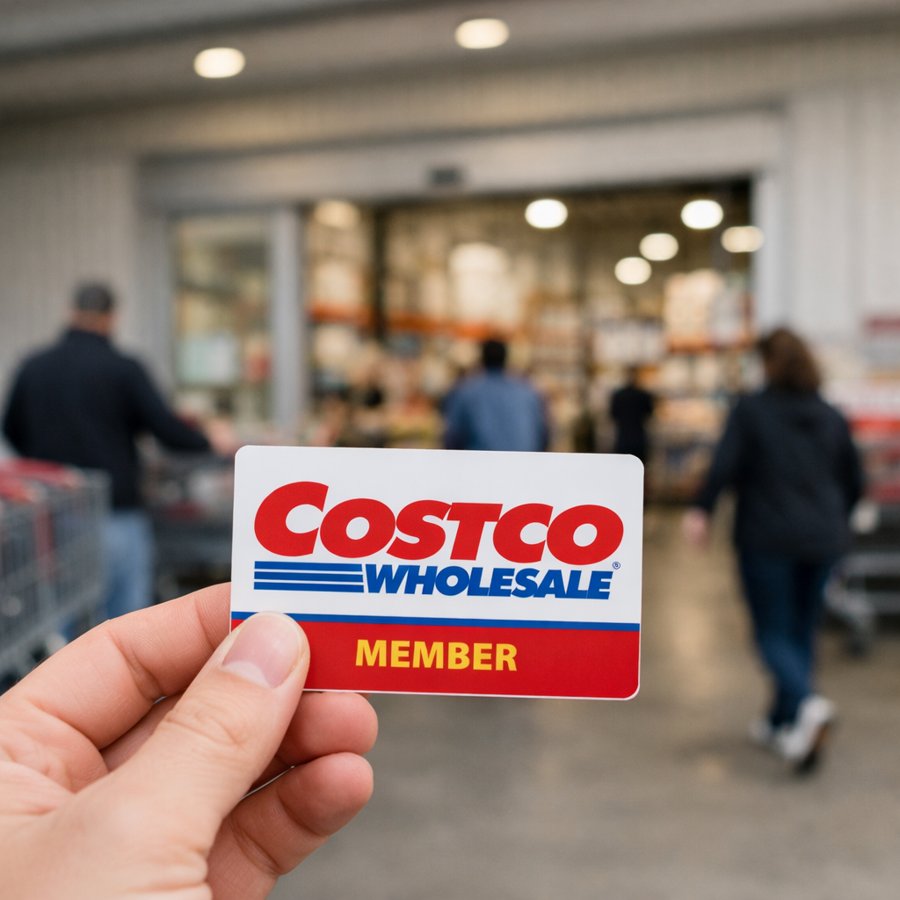
The company increased its executive membership fee to $130 per year, up from $120. While price hikes often push customers away in retail, Costco’s case has been very different. Renewal rates in the United States and Canada have stayed remarkably strong at 92.1%, showing that customers continue to see strong value in the membership.
This small change in pricing has delivered a much bigger impact on Costco’s financial performance. Over the first 24 weeks of fiscal 2026, Costco generated an impressive $134.2 billion in net sales. However, like most retailers, the company operates on thin margins. After accounting for merchandise costs, operating income stood at around $15 billion, representing just 11.1% of sales.
Once selling, general, and administrative expenses of $12.6 billion are deducted, the profit shrinks further to about $2.4 billion. This highlights a key reality: selling products alone is not where Costco makes most of its money.
The real profit engine lies in its membership model. During the same period, Costco earned approximately $2.68 billion from membership fees. Unlike merchandise sales, this revenue carries extremely high margins, meaning most of it flows directly to profit. When added to operating income, total earnings rise to over $5 billion, showing just how critical memberships are to the business.
This structure allows Costco to keep prices low in stores while still maintaining strong profitability. It also explains why the company focuses heavily on customer loyalty rather than traditional advertising. In fact, Costco is known for spending virtually nothing on advertising, relying instead on word-of-mouth and customer satisfaction to grow its membership base.
The latest results also revealed an important insight for investors. The 2024 fee increase accounted for roughly one-third of the growth in membership revenue during the quarter. This means that even a modest price adjustment can significantly boost earnings without requiring major changes in operations or expansion.
What stands out even more is that this growth came with only a minimal decline in renewal rates. The drop was just 0.1 percentage points, which is almost negligible for a company with millions of members. This highlights the strength of Costco’s brand and the deep trust it has built with its customers over time.
For investors, this sends a clear message. Costco has strong pricing power, meaning it can increase fees without significantly impacting demand. This is a rare advantage in the retail industry, where even small price changes can often lead to customer churn.
The company’s ability to maintain loyalty while improving profitability makes it stand out from competitors. Many retailers struggle with rising costs, shrinking margins, and heavy reliance on promotions. Costco, on the other hand, continues to benefit from a steady stream of high-margin membership income.
Looking ahead, the data suggests that Costco may not need to wait another seven years before adjusting its fees again. While management is likely to remain cautious to avoid pushing customers too far, the current results indicate that there is room for future increases if needed.
This positions Costco in a strong place for long-term growth. With a loyal customer base, stable revenue streams, and a proven ability to increase prices without losing demand, the company continues to offer a compelling story for investors.
As highlighted in recent coverage by The Motley Fool, Costco’s membership model remains one of the most effective profit strategies in modern retail. The latest fee increase has only reinforced that advantage.
In the end, Costco’s latest move was not just about raising prices. It was a clear demonstration of the company’s unique business model, where loyalty and recurring income drive long-term success. With renewal rates still above 92% and profits on the rise, the retailer continues to prove that its approach is built to last.

Make Swikblog your go-to source on Google for reliable updates, smart insights, and daily trends.