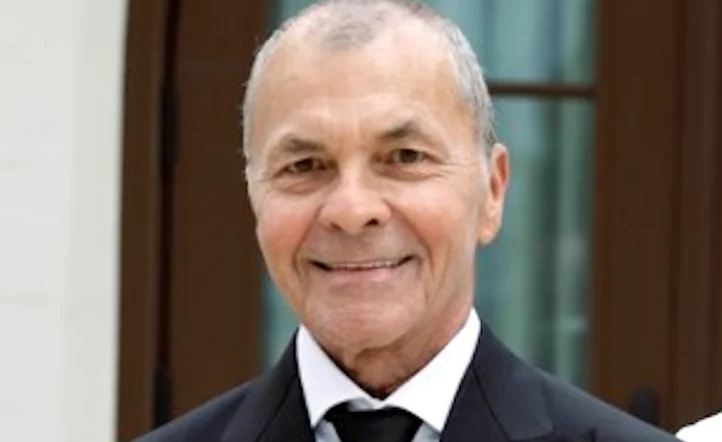
A California family is suing Royal Caribbean after 35-year-old passenger Michael Virgil died on a trip to Mexico. The lawsuit alleges he was served 33 alcoholic drinks in just a few hours and later restrained with force and a sedative before his death, which a medical examiner has ruled a homicide.
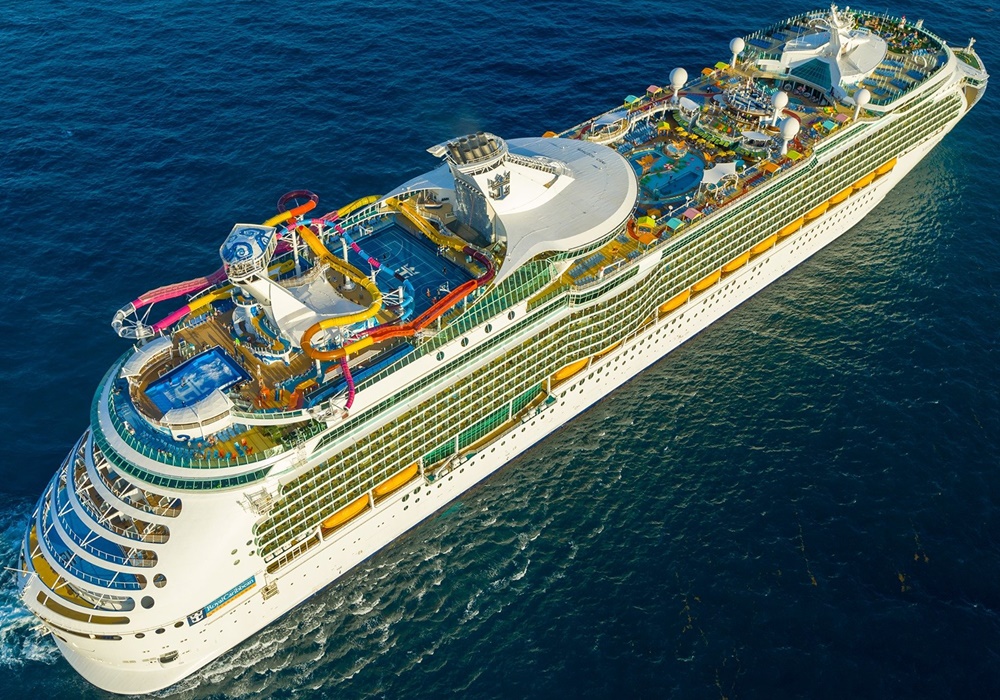
What the Lawsuit Claims Happened Onboard
The lawsuit, filed in the United States District Court for the Southern District of Florida on behalf of Michael Virgil’s fiancée and young son, centres on events aboard Royal Caribbean’s Navigator of the Seas in December 2024. According to the complaint, Virgil purchased an all-inclusive drinks package and was served at least 33 alcoholic beverages in the space of a few hours, despite allegedly showing clear signs of intoxication.
Court filings cited by outlets including Newsweek and NDTV allege that bar staff “continued to serve alcohol” even as Virgil became unsteady, agitated and visibly impaired. His family’s lawyers argue that Royal Caribbean had a clear duty under its own policies and maritime law to refuse further service once he appeared dangerously drunk.
The complaint also points to the on-board marketing of “unlimited” drinks packages, suggesting the cruise line financially incentivises heavy drinking while retaining responsibility for passenger safety.
Timeline of Michael Virgil’s Final Hours
In the hours after boarding the ship in Los Angeles for a short cruise to Mexico, Virgil is said to have spent significant time at one of the ship’s bars. According to the lawsuit and reporting by People magazine , he later became disoriented while trying to find his stateroom and ended up in the wrong corridor.
Security footage described in the complaint reportedly shows Virgil kicking at a door and shouting. Crew members then intervened, restraining him in a corridor before moving him to a secure area. Lawyers for the family say that during this process he was tackled to the ground, held down by several security staff and subjected to pepper spray.
A specialist maritime law site, Cruise Law News , reports that a sedative – identified in court documents as haloperidol – was later administered at the request of the ship’s doctor. Virgil’s condition deteriorated and he became unresponsive. He was subsequently pronounced dead on board.
Autopsy: Death Ruled a Homicide
Virgil’s body was returned to Los Angeles, where the county medical examiner carried out an autopsy. According to multiple reports, including coverage by Livemint and Hindustan Times , the death was classified as a homicide.
The medical examiner’s report cited “combined effects” including mechanical asphyxia (restricted breathing while being restrained), ethanol intoxication, obesity and an enlarged heart. Virgil’s family argue that it was the combination of over-service of alcohol and the way he was restrained that led directly to his death.
While a homicide ruling does not automatically mean criminal charges will follow, it can play a significant role in civil litigation, where the standard of proof is lower than in criminal courts.
Royal Caribbean’s Response
In statements reported by CBS News and other outlets, Royal Caribbean has offered condolences to Virgil’s family but said it will not comment in detail on the allegations while litigation is ongoing.
The company insists it trains staff to monitor intoxication and follow strict protocols when dealing with disruptive or distressed guests. In this case, lawyers for the family argue that those safeguards failed at every stage: in the bar, in the corridor where security intervened and later in the medical response.
The lawsuit seeks damages under the US Death on the High Seas Act, covering alleged loss of financial support, loss of companionship, funeral and medical expenses and emotional distress.
What the Case Could Mean for Cruise Safety and Alcohol Policies
The case is already prompting wider questions about how major cruise companies manage alcohol on board – especially when they actively promote “all-inclusive” or “unlimited” drink packages but remain legally responsible for passenger safety.
Maritime law experts say the litigation could put pressure on the industry to improve staff training, tighten limits on alcohol service and clarify how – and when – security should use physical restraint or chemical sedatives. Advocacy groups for passengers have long called for greater transparency around deaths and serious incidents at sea.
The lawsuit over Virgil’s death also echoes concerns raised in other settings where vulnerable people rely on institutions for safe conditions. In Canada, for example, questions have been asked about duty of care after a woman died in freezing weather near a seniors’ residence – a case examined in detail by Swikblog in this report on a Montreal cold-weather tragedy .
For now, the family of Michael Virgil say they are hoping the lawsuit will not only bring accountability in their case, but also force changes in how cruise lines balance holiday indulgence with basic passenger safety.
You May Also Like
Source note: This article is based on allegations contained in publicly filed court documents and reporting from reputable news organisations. Royal Caribbean has not been found liable in court, and all defendants are entitled to a legal defence.

Make Swikblog your go-to source on Google for reliable updates, smart insights, and daily trends.