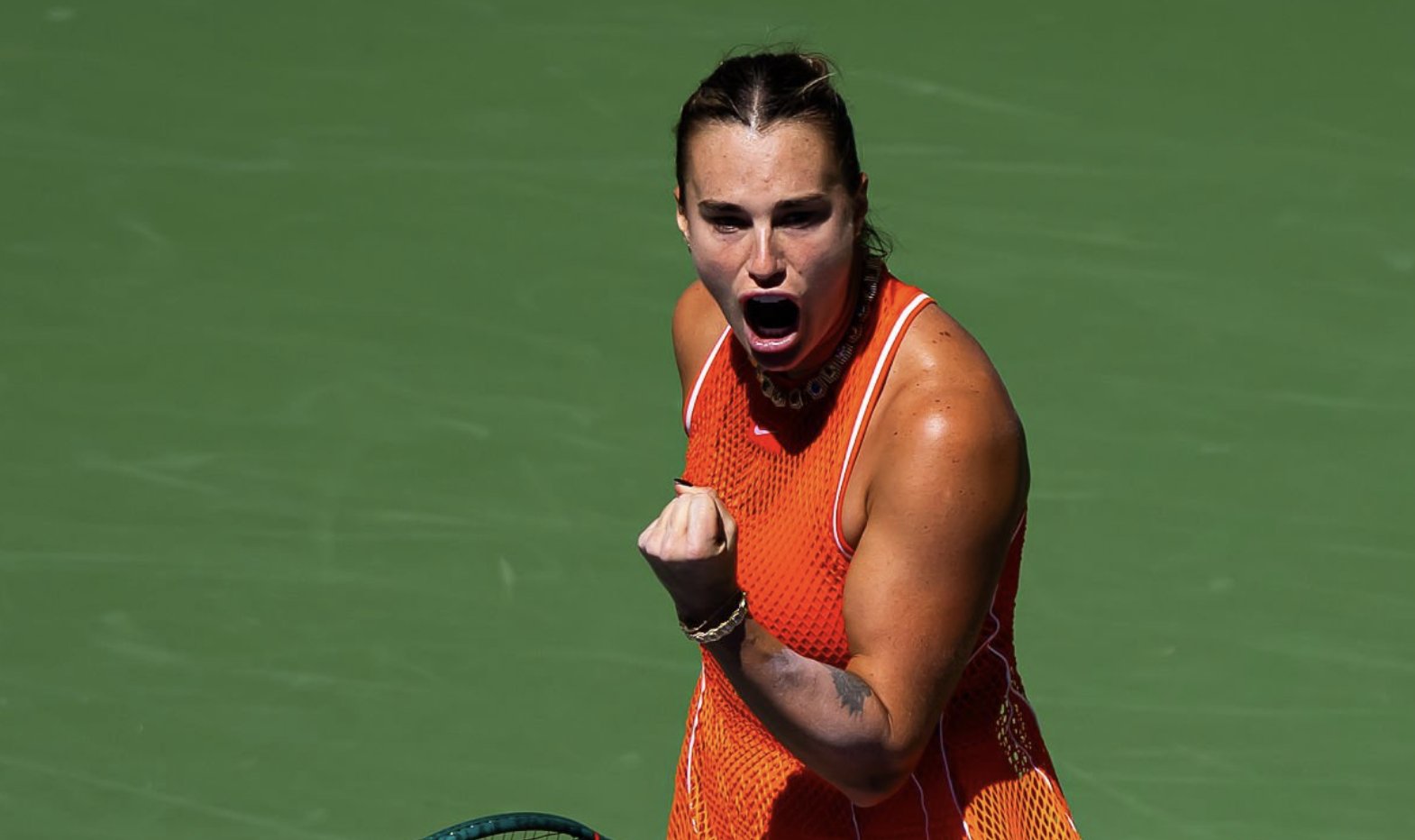
The 2026 Australian Open begins with a familiar figure back under the lights of Melbourne Park. Novak Djokovic, a 10-time champion in Melbourne, opens his campaign against Spain’s Pedro Martinez — a matchup that, on paper, leans heavily one way, but still carries early-round intrigue on a court that has defined his career.
For Djokovic, this opener is about far more than simply reaching round two. At 38, every Grand Slam appearance now feels weighted with legacy, rhythm, and the unspoken question of how many more deep runs like this remain. Melbourne has always been his safest ground — a dominance clearly reflected in the tournament history outlined on the Australian Open’s official site .
Why this match has more meaning than a typical first round
Djokovic has not lifted a Grand Slam trophy since 2023, and while his dominance in Australia remains unmatched, recent seasons have introduced new uncertainties — fitness interruptions, lighter schedules, and younger rivals setting a relentless pace at the top of men’s tennis.
Still, Melbourne history matters. Djokovic has not lost an opening-round match here in over 20 years, and even last season’s injury-affected run ended deep in the draw rather than early. This first match is not about chasing perfection, but about settling nerves, finding timing, and stress-testing the body under real conditions.
Pedro Martinez: form is there, stage is new
Martinez arrives in Australia quietly confident after winning the Bengaluru Challenger, dropping just one set throughout the tournament. According to results published on the ATP Tour , the Spaniard has built momentum through consistency rather than power.
He thrives on extended rallies, defensive patience, and forcing opponents into extra shots — qualities that often earn respect in Melbourne’s slower hard-court conditions. But this represents a clear jump in difficulty.
Ranked outside the world’s top 70, Martinez has limited success against elite hard-court opposition and only one career victory over a top-10 player. For him, this is less about expectation and more about opportunity: a competitive set, a long stretch of resistance, or pushing Djokovic out of rhythm would already mark the night as a career milestone.
Tactical match-up: where it will be won
Melbourne rewards depth, precision, and controlled aggression rather than pure defence — a balance that historically favours Djokovic.
- Return pressure: Djokovic’s ability to neutralise Martinez’s first serve early.
- Baseline depth: Extended rallies gradually pulling Martinez wider.
- Redirected pace: Djokovic’s trademark ability to absorb speed and change direction.
- Rhythm disruption: Martinez varying height and tempo to prevent Djokovic settling.
If Djokovic’s movement looks sharp, the match should remain firmly under his control. If rust appears, Martinez is capable of stretching sets longer than expected.
Fitness watch: the only real question mark
Djokovic has openly acknowledged that preparation looks different at this stage of his career. Since winning in Athens late last year, his schedule has been limited, and early rounds now serve as live fitness tests rather than routine warm-ups.
The encouraging factor is the opponent profile. Martinez offers resistance without overwhelming power, allowing Djokovic to manage points and conserve energy — an ideal opening scenario if the goal is another deep Melbourne run.
Match schedule and setting
Match time
Scheduled start : 3:00 PM IST
- India (IST): 3:00 PM
- UK (GMT): 9:30 AM
- Australia (Melbourne AEDT): 8:30 PM
Note: Start times can shift if earlier matches run long. Treat this as a “not before” guide.
The first-round match is scheduled for the evening session on Rod Laver Arena, a stage where Djokovic has built much of his Australian Open legacy. Night conditions add atmosphere — but they also play directly into his comfort zone.
Off-court issues have also shaped the opening days of the tournament. If you’re following the wider context around Melbourne Park, Australian Open 2026 chaos: entry delays spark frustration has become one of the most-read stories so far.
Prediction: how this one likely plays out
Martinez should have moments. He is consistent enough to extend games and confident enough to believe early. But as rallies lengthen and pressure builds, Djokovic’s depth, return quality, and experience usually begin to separate the matchup.
Consensus call: Djokovic in three or four sets.
Bigger picture
This match will not define Djokovic’s tournament — but it will set the tone. A smooth, controlled opening would reinforce belief that another deep Melbourne run remains possible. Any visible physical struggle, however small, will be magnified as the draw unfolds.
Around Melbourne, legacy conversations are never far away. Related reads include Andre Agassi’s new Apple TV docuseries and why Patrick Rafter is trending again during the Australian Open .

Make Swikblog your go-to source on Google for reliable updates, smart insights, and daily trends.