Dow futures are back in focus heading into Monday after a bruising finish to last week and a fresh geopolitical shock that has traders reassessing risk. The latest trigger came after President Donald Trump warned that the United States could strike Iran’s power plants if the Strait of Hormuz is not reopened, a threat that immediately pushed oil prices higher and added to fears that inflation pressure could intensify again just as Wall Street was already losing momentum.
The market backdrop going into the new week is already fragile. On Friday, the Dow Jones Industrial Average fell 443.96 points to 45,577.47, while the S&P 500 dropped 1.5% and the Nasdaq slid 2%. Those losses were not just another soft session. They reflected a broader change in sentiment as investors digested rising crude prices, higher Treasury yields, and growing concern that the Federal Reserve may have less room to ease policy if energy inflation stays hot.
That is why the weekend futures setup matters so much. When traders see a combination of geopolitical escalation, a renewed oil spike, and rising bond yields, the first instinct is often to cut exposure to high-risk assets. That leaves Dow futures vulnerable to a steep early move, especially after the major indexes already cracked important support levels late last week.
Oil is back at the center of the market story
The most immediate pressure point is crude. Oil surged after Trump’s latest warning tied the future of Iran’s energy infrastructure directly to the Strait of Hormuz, one of the world’s most important shipping corridors for crude flows. With the market already nervous about supply disruption, even a single new escalation headline is enough to send energy prices sharply higher.
That matters far beyond the commodity complex. Higher oil feeds directly into inflation expectations, squeezes transportation and manufacturing margins, and raises the risk that consumer sentiment softens again. For stock investors, that creates a difficult setup because it hurts growth assumptions at the same time that it hardens the rate outlook.
Last week’s move made that fear visible across the tape. Energy-linked concerns helped drive a broader market sell-off, while the jump in crude prices revived worries that any near-term rate relief from the Fed could be delayed. In other words, Wall Street is no longer looking at oil as just a headline story. It is starting to treat it as a macro problem again.
Bond yields are making the sell-off harder to ignore
Oil alone would be enough to unsettle the market, but the pressure is getting stronger because Treasury yields are also moving higher. The 10-year Treasury yield rose to around 4.38% to 4.39% at the end of last week, a sign that bond traders are dialing back hopes for easy monetary policy. When yields climb alongside oil, investors start thinking about stagflation risk, and that is usually a bad combination for richly valued equities.
The pressure is especially intense in technology and other growth-heavy corners of the market. Those stocks are often the first to feel the hit when future cash flows are discounted more aggressively. That showed up clearly in Friday’s action, with major tech names under pressure and the Nasdaq falling harder than the Dow.
The shift in yields also matters for sentiment because it changes the way traders interpret every incoming headline. A month ago, a geopolitical flare-up might have been treated as temporary noise. Now, with the bond market already on edge, the same headline can trigger a much faster risk-off reaction.
Dow futures are becoming the weekend fear gauge
Weekend finance traffic usually centers on one simple question: what does this mean for Monday’s open? That is where Dow futures take over from the Dow itself. The cash index is closed, but futures remain the market’s early warning system, and right now they are reflecting a market that is trying to price a much harsher geopolitical and inflation backdrop.
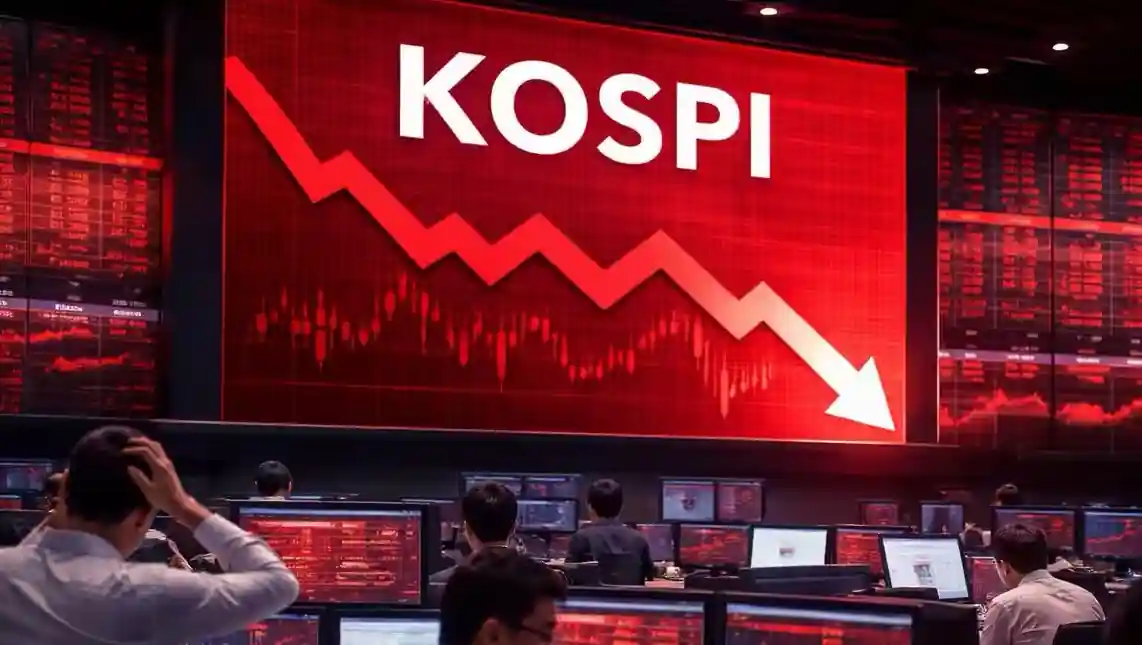
A headline calling for Dow futures down 400 points resonates because it captures exactly what investors fear most after a weak Friday: a gap-down open before traders even have a chance to react. Whether the exact number shifts overnight or not, the message is the same. The market is suddenly pricing more uncertainty, more inflation risk, and less confidence that the recent bull run can keep absorbing shocks.
That makes Monday’s first hour especially important. If oil continues to push higher and yields stay elevated, traders may keep selling rallies rather than buying dips. If crude cools and bond yields ease, futures could stabilize. But for now, the burden of proof is on the bulls.
Why this setup feels different from an ordinary pullback
What makes this moment stand out is that several pressure points are hitting at once. The market is dealing with geopolitical escalation, a fresh energy shock, and a more complicated Fed outlook all in the same window. That is a tougher mix than a standard earnings-driven sell-off or a short-lived policy scare.
It also arrives after a period when stocks had already shown signs of fatigue. Friday’s decline marked another week of losses for major indexes, and investors were already questioning whether the rally had become too dependent on optimism around growth, AI, and rate relief. Once oil surged and the bond market reacted, that optimism looked far more vulnerable.
For readers watching the market into Monday, the core issue is not only whether Dow futures open sharply lower. It is whether the broader message from futures, crude, and yields points to a market that is finally being forced to reprice risk more seriously.
That is why this weekend setup matters. A weaker Dow futures signal is not just about one red session ahead. It is about whether Wall Street is entering a more defensive phase, where every oil spike, every Treasury jump, and every geopolitical headline can knock confidence down another level. Investors heading into Monday are not just looking for a bounce. They are looking for proof that the pressure building underneath this market has not become something much bigger.
For broader context on how rising oil prices are feeding into Wall Street’s inflation concerns, see the latest market coverage from The Associated Press.

Make Swikblog your go-to source on Google for reliable updates, smart insights, and daily trends.