Mexican authorities say they have killed Nemesio Oseguera Cervantes, widely known as El Mencho, the longtime leader of the Jalisco New Generation Cartel (CJNG), following an intelligence-led military operation in the mountains of Jalisco. The development ends one of Mexico’s most closely watched manhunts and is expected to influence the country’s ongoing fight against organized crime as well as international efforts to disrupt major drug trafficking networks.
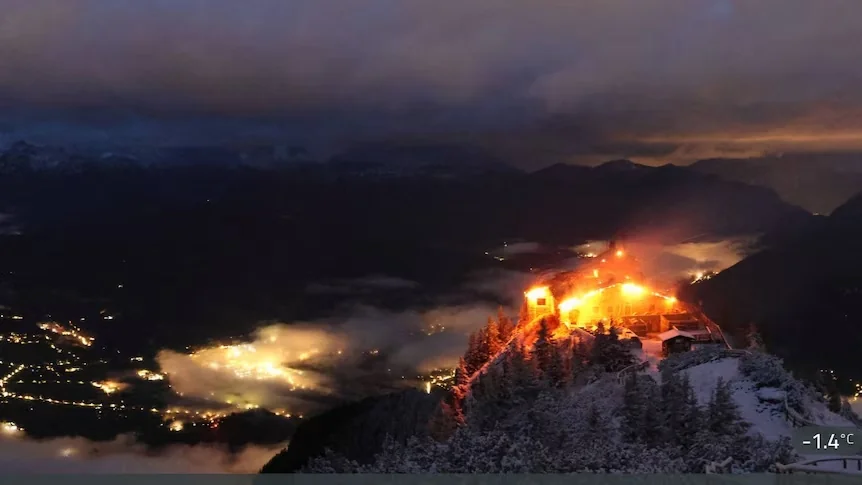
Officials said investigators identified the cartel leader’s location after weeks of surveillance focused on people within his trusted circle. Special forces then launched a coordinated raid near Tapalpa, Jalisco, where El Mencho was believed to be staying under heavy protection. While authorities describe the operation as a significant victory, analysts caution that CJNG’s extensive criminal infrastructure is likely to remain active.
Who Was El Mencho?
El Mencho, whose real name was Nemesio Oseguera Cervantes, transformed the CJNG into one of the most powerful criminal organizations operating in Mexico. Authorities in Mexico and the United States have accused the cartel of overseeing large-scale fentanyl and methamphetamine trafficking while expanding operations across multiple states and international supply routes.
The cartel built influence through strategic Pacific ports, border crossings and transportation corridors, becoming one of the country’s most powerful criminal groups. U.S. authorities had also offered multimillion-dollar rewards for information leading to Oseguera Cervantes. Additional information about the rewards program is available through the U.S. Department of State.
For additional background on the operation, see this report on El Mencho’s final operation in Jalisco.
How Intelligence Led Investigators to the Hideout
Mexico’s Defense Secretariat said investigators followed movements involving people connected to El Mencho’s personal network before identifying a remote cabin complex outside Tapalpa. Intelligence suggested the cartel leader would be staying there with armed security.
Once the location was confirmed, special forces carried out a coordinated operation aimed at capturing him. Authorities said El Mencho fled into nearby woodland with several bodyguards as troops entered the property.
A firefight followed during the pursuit. Officials reported that El Mencho and two members of his security detail were wounded, while two additional suspects were arrested. Military personnel attempted to evacuate him by helicopter for emergency treatment, but authorities later confirmed he died during transport.
Personal Relationships Became a Critical Lead
Authorities said human intelligence gathered from trusted associates played an important role in narrowing the search. Rather than relying solely on technology or intercepted communications, investigators built a clearer picture of the cartel leader’s movements through people within his close network.
The operation has renewed attention on Guadalupe Moreno Carrillo, who has appeared in previous reports concerning El Mencho’s inner circle after the 2021 arrest of his wife, Rosalinda González Valencia.
Officials have not confirmed whether Moreno Carrillo was present during the final operation or whether she held any role within CJNG. Security analysts say personal relationships frequently become one of the few remaining vulnerabilities when high-profile fugitives spend years avoiding capture.
Security Forces Responded to Rising Tensions
Following confirmation of El Mencho’s reported death, authorities increased security across parts of western Mexico amid concerns over possible retaliation. Several areas reported burning vehicles, highway blockades and temporary disruptions as security forces worked to stabilize the situation.
Additional patrols were deployed around Guadalajara and nearby municipalities while officials monitored for coordinated responses from cartel members. Some businesses temporarily suspended operations as a precaution.
Similar security measures have followed previous operations targeting senior cartel figures, as leadership changes can trigger short-term instability while criminal groups reorganize.
Why the Operation Matters Internationally
CJNG has long been considered one of the world’s most influential transnational criminal organizations, making the operation significant beyond Mexico. The cartel has been linked by authorities to international drug trafficking routes that reach North America and other regions.
Mexican officials acknowledged that intelligence-sharing with international partners remains an important part of broader efforts to target organized crime, although they did not disclose details of cooperation during this specific mission. Broader reporting on regional security developments is available through Reuters’ Americas coverage.
Experts caution that removing a cartel leader rarely dismantles an entire criminal organization. Financial networks, regional commanders and established trafficking routes often continue operating unless broader enforcement efforts target the group’s structure.
What Happens Next for CJNG
The coming weeks are expected to determine how CJNG reorganizes following the loss of its longtime leader. Analysts say the group could experience an internal leadership contest or shift authority to existing senior commanders, with either outcome influencing future security conditions.
For Mexican authorities, the operation represents a major intelligence success after years of investigations. At the same time, officials continue to emphasize that lasting progress against organized crime depends on sustained financial investigations, arrests of senior operatives and continued cooperation between federal and state agencies.
While the reported death of El Mencho closes one of the most significant chapters in Mexico’s campaign against organized crime, authorities acknowledge that broader efforts to weaken cartel operations will continue well beyond this single operation.

Make Swikblog your go-to source on Google for reliable updates, smart insights, and daily trends.