
Europe’s long-planned ETIAS travel authorisation is facing fresh uncertainty, with officials reportedly weighing whether the new €20 pre-travel permit should be pushed beyond its current late-2026 target.
The possible delay matters for millions of travellers from visa-exempt countries, including the UK, United States, Canada, Australia and New Zealand, who will eventually need online approval before short visits to many European countries.
ETIAS is not currently active, and travellers cannot apply yet. The European Union’s official position remains that the system is expected to begin in the last quarter of 2026. But reported concerns over border queues, technical readiness and the recent rollout of another EU border system have raised doubts over whether that timeline will hold.
The EU says ETIAS is designed to strengthen security by checking visa-exempt travellers before they arrive. The official European Union ETIAS guidance says the exact launch date will be announced before the system starts.
Why the launch may slip again
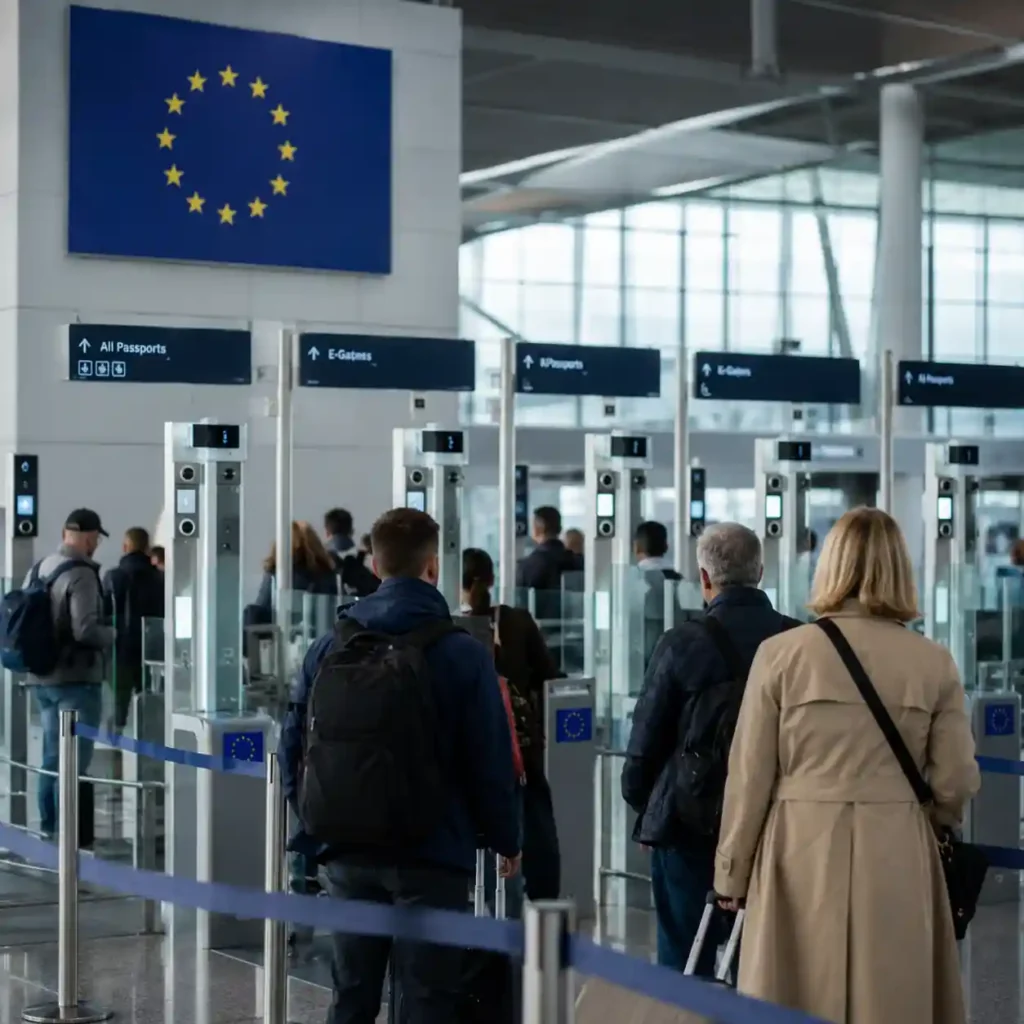
The latest concern is linked to the EU’s separate Entry/Exit System, known as EES. Unlike ETIAS, which is a pre-travel online authorisation, EES is used at the border to digitally record when eligible non-EU travellers enter and leave participating European countries.
EES involves biometric checks, including facial images and fingerprints for many travellers. It is intended to replace manual passport stamping and make it easier for authorities to track overstays.
However, the rollout has drawn criticism from parts of the travel industry after reports of long waits at some border points. Aviation, airport and tourism groups have warned that extra processing could create serious pressure during peak travel periods.
That is why ETIAS is now under closer scrutiny. If another digital layer is added before EES is running smoothly, airlines, ferry operators, airports and border authorities could face more confusion at check-in and arrival points.
What officials are reportedly discussing
The Financial Times reported that people briefed on the matter said eu-LISA, the EU agency responsible for major border and security IT systems, no longer sees a late-2026 ETIAS launch as easily achievable.
The report also said officials have discussed remaining IT issues and whether the system should be moved to a later date. eu-LISA’s management board discussed ETIAS in mid-June, with another discussion expected in September.
Still, there has been no formal delay. eu-LISA has said preparations continue and that the proposed launch remains Q4 2026. The European Commission will make the final decision after consultation with eu-LISA and EU member states.
In practical terms, that means travellers should treat a delay as possible, not confirmed. Until the EU announces a new timetable, late 2026 remains the official planning date.
ETIAS vs EES: the difference travellers need to know
Many travellers are mixing up ETIAS and EES, but they are not the same system.
EES records border crossings. It is used when eligible non-EU travellers enter and exit participating European countries. It focuses on biometric border registration and replacing passport stamps.
ETIAS is a pre-travel authorisation. It will require visa-exempt travellers to complete an online form before travelling. Approval will generally be checked before boarding.
The key point is simple: EES affects the border process, while ETIAS affects the pre-trip process. Both are part of Europe’s wider digital border strategy, but they create different obligations for travellers.
Who will need the €20 ETIAS authorisation
When ETIAS launches, it will apply to travellers from countries that do not need a visa for short stays in the Schengen Area and other participating European countries.
Applicants will be asked to provide personal details, passport information, travel-related information and answers about certain criminal convictions or security issues. The fee will be €20.
If approved, ETIAS will allow short stays of up to 90 days in any 180-day period. It will not replace passport checks, and it will not guarantee entry. Border officers will still be able to ask questions and refuse entry if normal conditions are not met.
Travellers should also remember that ETIAS is not a visa. It is closer to other electronic travel authorisation systems used by countries that want to screen visa-free visitors before they arrive.
Read More:
- K2 Airways cargo plane missing near Karachi after losing contact
- FIFA suspends two USMNT staff members before Belgium match
- Visit the Swikblog homepage for more latest news
What travellers should do now
For now, there is no ETIAS form to complete. Anyone planning a Europe trip should avoid websites claiming to offer early ETIAS registration or guaranteed approval.
The safest approach is to check official EU guidance and airline instructions closer to the travel date, especially for trips planned in late 2026 or 2027.
The possible delay also gives travellers more reason to watch Europe’s border changes carefully. A launch date may sound like an administrative detail, but it can affect boarding, airport queues, ferry crossings, holiday planning and business travel schedules.
For readers following wider travel disruption and passenger-rule changes, recent aviation and travel updates show how operational issues can quickly become important for travellers before they even reach the airport.
The most accurate position today is that ETIAS is still officially scheduled for late 2026, but a postponement is being discussed because of EES border pressure and technical concerns. Travellers do not need to act now, but they should not ignore the rule either.

Make Swikblog your go-to source on Google for reliable updates, smart insights, and daily trends.