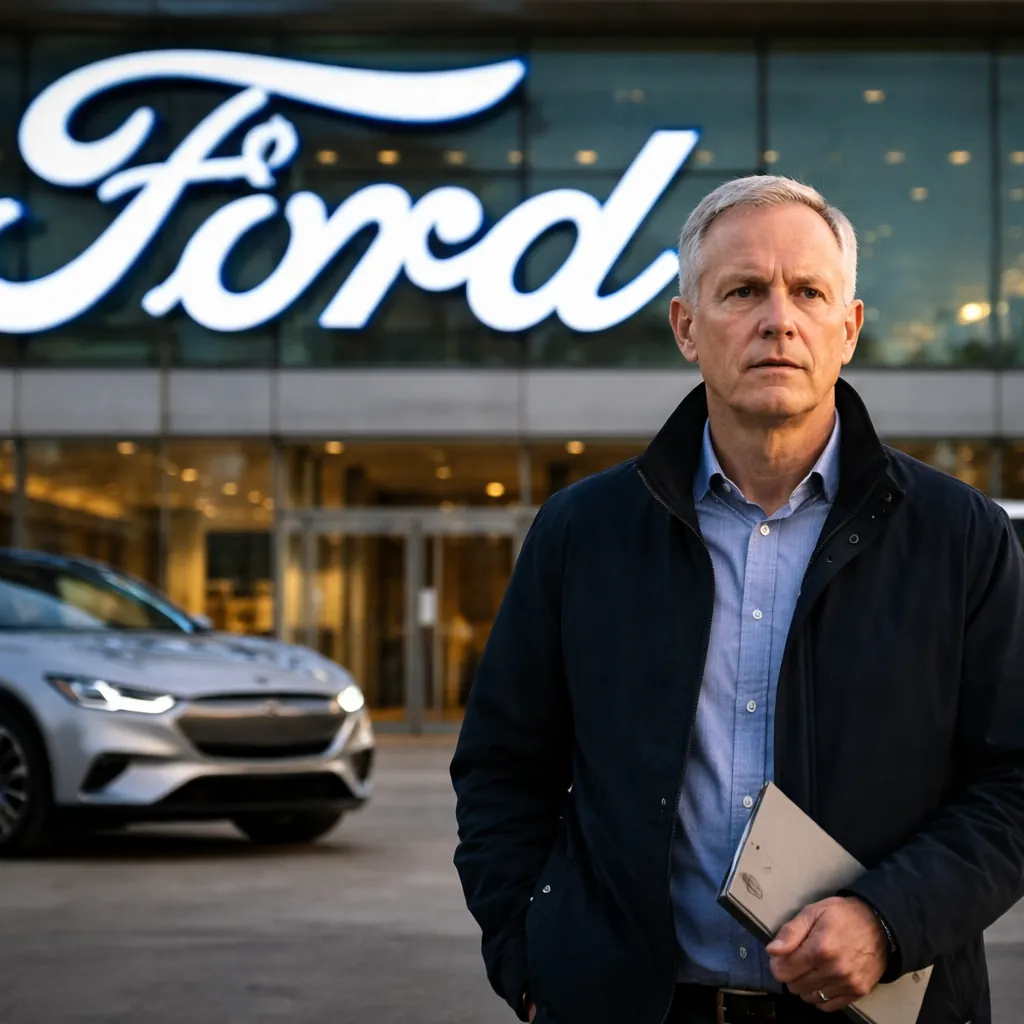

Ford is overhauling its electric vehicle strategy and leadership structure, with chief EV, digital and design officer Doug Field set to step down next month, marking a pivotal moment for the automaker as it grapples with heavy losses and a shifting approach to electrification.
The departure comes as Ford integrates its EV, software and design teams back into its core operations under Chief Operating Officer Kumar Galhotra, abandoning its earlier strategy of running electric vehicles as a separate, startup-like division. The move reflects growing pressure on traditional carmakers to align ambitious EV goals with financial discipline.
Field, a former Apple and Tesla executive who joined Ford in 2021, was central to the company’s push to compete with technology-driven rivals. His exit is happening just as Ford faces the consequences of its aggressive EV expansion, including a reported $19.5 billion writedown tied to its electric vehicle investments.
Restructuring signals shift in EV ambitions
Ford’s new structure will bring product development, software, and manufacturing closer together under a unified system aimed at improving efficiency and execution. A newly emphasized “product creation and integration” approach is designed to ensure that vehicle design, engineering and digital systems are developed in tandem, rather than in silos.
As part of this shift, key responsibilities tied to next-generation EV platforms will continue under senior engineering leadership, including former Tesla talent working on more affordable electric architectures. The company is placing increased focus on cost control and scalability after earlier plans proved expensive and difficult to execute.
Several high-profile EV programs have already been delayed, scaled back, or cancelled, including next-generation electric trucks and SUVs. At the same time, Ford is redirecting attention toward hybrid vehicles and lower-cost EVs, including a planned electric pickup expected to be priced around $30,000 later this decade.
Mounting losses force strategic reset
The restructuring underscores a broader challenge facing legacy automakers: balancing the urgency of electrification with the reality of profitability. Ford’s EV division has generated significant losses, forcing the company to reconsider timelines, product mix and investment priorities.
During his tenure, Field helped advance key technologies such as the BlueCruise hands-free driving system and led development of new infotainment platforms built on Android. He also played a role in a “skunkworks” program aimed at creating affordable EVs, though Ford has struggled to fully capitalize on these efforts amid rising costs.
The company had previously explored an advanced next-generation software architecture but ultimately scrapped parts of the initiative due to complexity and cost overruns, highlighting the difficulty of transforming into a software-first automaker.
Ford’s latest moves suggest a more measured path forward, prioritizing hybrid growth, affordable EV development and tighter integration between hardware and software. The shift reflects a broader industry trend as automakers adjust expectations following slower-than-anticipated EV adoption and intensifying competition.
While Ford continues to target a fully electrified future over the long term, its immediate strategy now centres on financial sustainability and product practicality rather than rapid expansion. More details on the leadership change and restructuring can be found in this report.
You may also like: PSN Down Worldwide? PS5 Multiplayer Outage Leaves Gamers Frustrated

Make Swikblog your go-to source on Google for reliable updates, smart insights, and daily trends.