
The FTSE 100 flipped from an early slide into a sharp rebound on Thursday, climbing to around 10,613 as a reported Iranian diplomatic signal reignited risk appetite across Europe. London’s blue-chip benchmark opened weaker as miners and airline names fell hard, then surged above 10,600 as traders reacted to reports that Iran is prepared to abandon its nuclear program if the United States offers a “lucrative” alternative. The shift helped lift European benchmarks more broadly, even as fresh regional strike reports underlined that headline risk remains high.
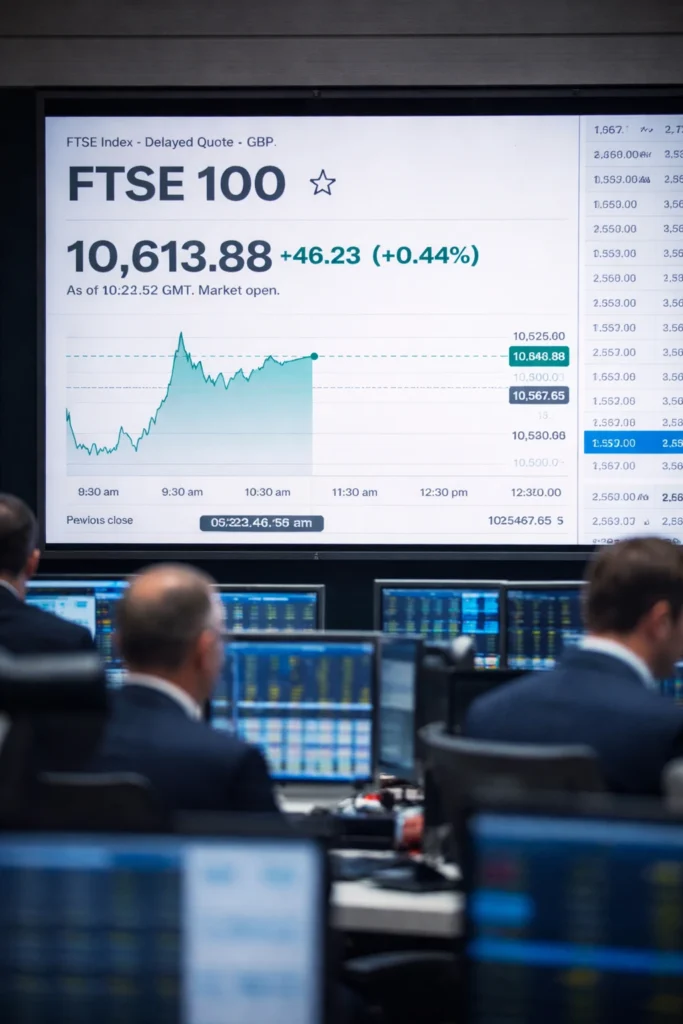
By mid-morning in London, the FTSE 100 was indicated near 10,613.88, up 46.23 points or 0.44%, with the market still digesting fast-moving geopolitical updates. The index had previously closed at 10,567.65. Thursday’s session also highlighted how quickly sentiment is swinging: the day’s trading range ran roughly from 10,528.17 to 10,636.06, reflecting both early caution and later relief buying.
From early losses to a fast rebound
The tone at the open was defensive. The FTSE 100 started in the red, down around 30 points near 10,537, with weakness concentrated in miners and travel-linked stocks. Rio Tinto, easyJet and British Airways owner IAG were among the early laggards, sliding more than 3% as investors weighed commodity volatility and the risk that elevated fuel costs could squeeze margins. Several other miners also traded lower as the session got underway, reinforcing that the index’s heavyweight exposures can amplify moves when macro stress hits commodities and transport simultaneously.
That early gloom did not last. As the morning progressed, the market abruptly shifted into positive territory, in step with the Iran-related headline that traders treated as a potential de-escalation signal. The FTSE jumped to around 10,627.5 at one point — a swing of nearly 90 points from the early lows — as buying broadened across major names and European peers turned higher.
Iran nuclear offer report sparks risk-on trade
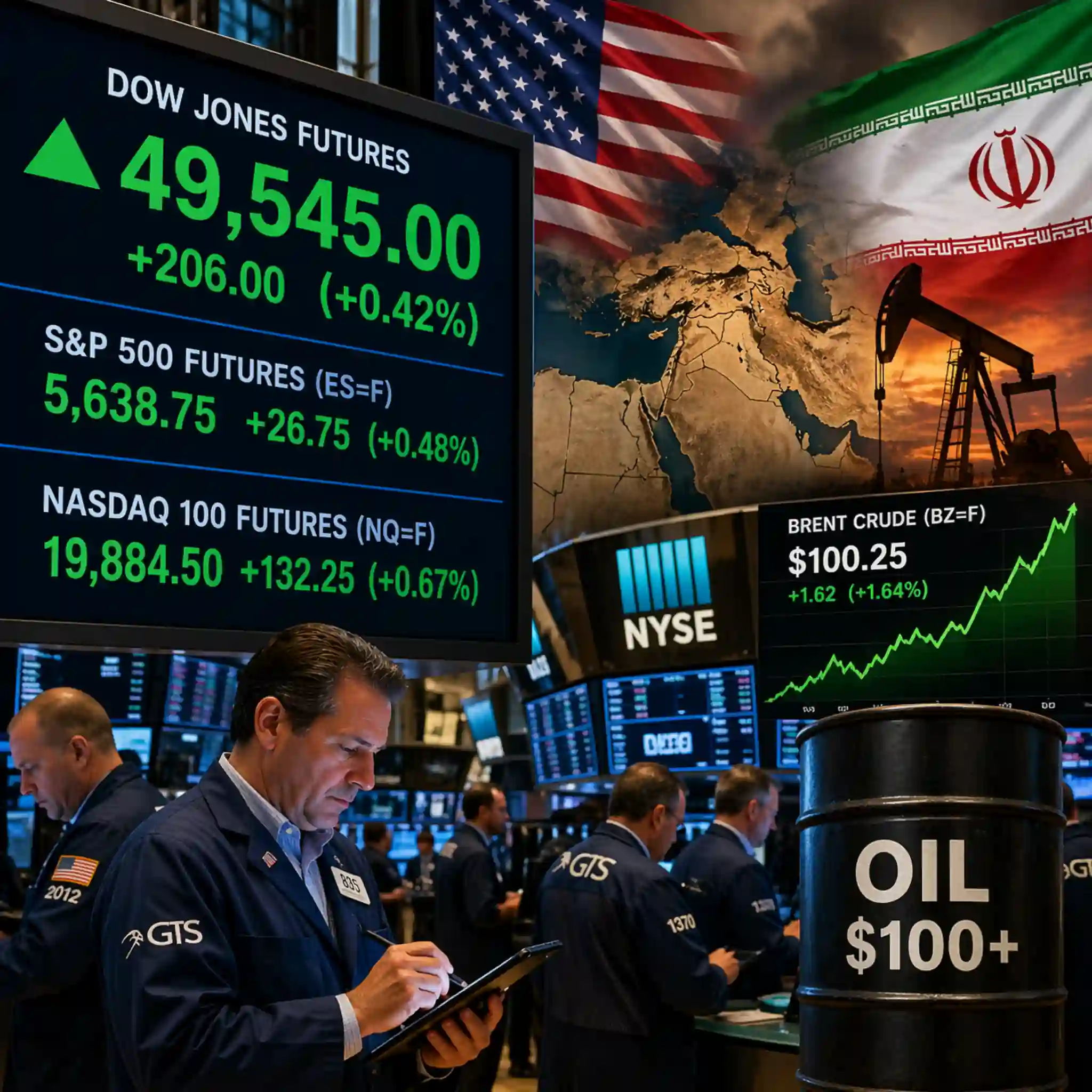
The key catalyst was a report that Iran’s deputy foreign minister said the country is ready to abandon its nuclear program on the condition that the United States makes a “lucrative” alternative offer. Markets often move on probability rather than certainty, and the headline was enough to lift risk appetite across equities and index futures, even without confirmation of formal talks. US futures also pushed into the green on the news, though gains were described as modest — a sign that investors remain skeptical and are still demanding a premium for uncertainty.
That skepticism has context. Alongside the diplomatic chatter, the same news flow referenced fresh developments across the region, including reports of wider strikes. The combination — negotiation hints on one hand, escalation headlines on the other — is exactly the mix that creates sharp intraday reversals, with investors buying relief but staying quick to hedge.
European markets turn higher alongside London
The FTSE’s rebound was mirrored across continental Europe. Spain’s IBEX 35 led the advance with a gain around 1.1%, while Germany’s DAX and France’s CAC 40 were both up about 0.3% to 0.4%. The synchronized move mattered: it suggested the rally was being driven by a shared macro catalyst rather than isolated UK stock stories. When multiple major indices turn together, it typically reflects a broader re-pricing of geopolitical or energy risk, which can quickly rotate flows between defensive and cyclical assets.
Biggest FTSE names: most in green, a few still red
Within the FTSE 100’s largest constituents, breadth improved notably as the rally took hold. Still, the update highlighted that only four of the FTSE’s top 20 biggest companies were in the red at the time: Rio Tinto (−3.4%), Unilever (−0.1%), British American Tobacco (−0.7%) and BAE Systems (−0.35%). The mix is telling. Materials and defense can both be tugged by headlines, but not always in the same direction, and staples can lag during a sharp risk-on pivot as traders favor more cyclical exposure.
One of the most eye-catching single-stock moves mentioned in the market update was Rentokil Initial, which surged around 8.9% after publishing results. Earnings-driven moves like that can punch above their weight in shaping index sentiment, particularly on sessions where the macro tape is already turning positive.
Aviva draws attention with dividend hike and buyback
Corporate news also supported the UK market mood. Aviva announced a 10% increase in its final dividend alongside a £350 million share buyback, while reporting operating profit up 25% to £2.2 billion. The insurer said key 2026 targets were delivered early and outlined fresh targets through 2028, including operating earnings per share growth of 11% annually and cumulative cash remittances of more than £7 billion from 2026–2028. In a market dominated by geopolitics, clean shareholder-return narratives like this can help anchor confidence in domestic large caps.
Energy and volatility still frame the session
Even as equities bounced, energy markets remained a central driver. Crude traded higher, while European gas pricing also showed sharp moves, reinforcing that markets are still pricing disruption risk into the energy complex. That matters for the FTSE 100 because the index includes global energy exposure and a large cluster of internationally exposed companies that can be sensitive to inflation expectations, shipping conditions, and changes in global demand.
Analysts quoted in the update warned against assuming volatility has ended. The session’s structure — a weak open followed by a rapid rally on a headline — is typical of markets that are still trading “event risk” rather than fundamentals alone. Traders will be watching whether the risk-on move holds into the close, and whether energy prices stabilize enough to prevent a renewed inflation scare from undermining equities.
Key FTSE 100 levels in focus
For the rest of the session, the psychological 10,600 level remains the line investors will watch for confirmation. Holding above that area can signal that relief buying is sticking, while slipping back toward the prior close around 10,567.65 would suggest the market is fading the diplomatic headline. The day’s high region near the mid-10,630s is the immediate upside reference, while the low near the 10,528 zone marks where early selling pressure concentrated.
For now, the message from Thursday’s tape is clear: investors are willing to add risk when diplomacy appears possible, but the market is still one headline away from reversing direction again.
Follow the latest UK market headlines and FTSE 100 updates here

Make Swikblog your go-to source on Google for reliable updates, smart insights, and daily trends.