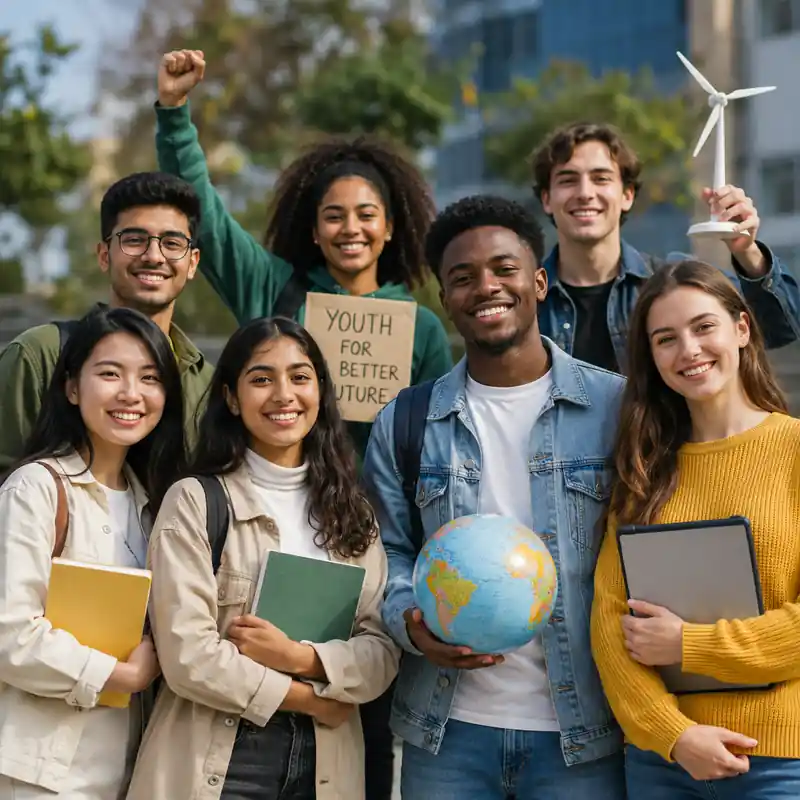
Every year on 17 November, countries around the world pause to honor the courage, resilience, and global contribution of students on International Students’ Day 2025. What started as a remembrance of student resistance in 1939 Prague has evolved into a powerful symbol of solidarity—reminding us that young people are not just learners but global change-makers shaping the future of nations, economies, and cultures.
International Students’ Day 2025 arrives at a time when higher education is undergoing dramatic transformation. Study destinations are shifting, tuition patterns are changing, visa rules are tightening or expanding depending on region, and the rise of AI-powered learning is redefining how students prepare for their careers. Yet, behind these major global changes lie deeply personal struggles—fear, hope, migration, homesickness, financial pressure, and the dream of a better life.
Today’s international student is not just earning a degree; they are navigating identity, resilience, and global belonging.
Why International Students’ Day Still Matters in 2025
In 2025, the world of international education is at a crossroads. Record-high mobility, new digital learning ecosystems, and shifting immigration pathways are simultaneously creating opportunities and barriers. And for millions of students, the stakes are enormously high.
1. Rising Global Mobility — but Higher Barriers
More students than ever before are studying abroad, especially from Asia, Africa, and South America. But at the same time, study visa regulations in countries like the UK, US, Canada, and Australia are being revised continuously due to housing shortages, political pressure, and economic reforms.
For students, every rule change triggers anxiety:
- Will my post-study work visa still be available?
- Will tuition fees rise again?
- What if immigration rules change mid-course?
These stresses make International Students’ Day even more relevant—because it brings global attention to the challenges young people silently face.
2. Cross-Cultural Identity & Mental Health Pressure
Studying abroad is glamorous on social media, but reality is different:
- loneliness
- survival jobs
- cultural shock
- performance pressure
- non-stop comparison
- financial strain
Countries such as the US, UK, and Australia report rising mental-health concerns among young migrants. Yet international students often hesitate to access help due to stigma, high costs, or visa fears.
International Students’ Day reminds institutions to strengthen mental health programs and build safer, more inclusive campus environments.
3. Economic Impact: International Students Keep Countries Running
In 2025, international students contribute billions to global economies:
- US: Over $40 billion annually
- UK: £42 billion
- Canada: $37 billion
- Australia: AUD 48 billion
They fill labor gaps, support research, boost local businesses, and help universities thrive. This day emphasizes that international students are not “visitors”—they are economic drivers.
What’s New for International Students in 2025? Major Trends
International Students’ Day 2025 provides the perfect moment to look at the newest shifts in global education.
1. The Rise of Hybrid & AI-Assisted Learning
AI-powered tools like adaptive learning paths, virtual labs, automated writing assistants, and multilingual tutors are transforming classrooms. Universities across the US and UK are adopting generative AI in coursework, assessment, and career coaching.
Students no longer learn alone—they learn with AI as a partner.
2. New Visa & Immigration Reforms
Different countries are announcing critical changes:
- UK 2025: Stricter dependants rules, new salary thresholds, and updated Graduate Route review.
- Canada 2025: Revised cap for study permits, new housing requirements, and priority visas for STEM.
- Australia 2025: Genuine Student Test (GST), revised post-study work rights, English score updates.
- USA 2025: Expected STEM OPT expansion and more transparency in SEVIS processing.
These changes impact millions of students planning their next move.
3. Shifting Study Destinations
In 2025:
- Germany, Spain, Netherlands, Ireland, South Korea, and UAE are gaining popularity.
- Students are looking for affordability, safety, visa stability, and high employment rates.
- Countries offering post-study pathways are attracting the strongest interest.
This movement marks a huge realignment of global education.
The Real Lives of International Students in 2025
Behind every admission letter is a human story. Here are the realities often hidden behind achievements and smiling graduation photos.
1. Financial Sacrifice
Families take loans, mortgage homes, sell land, and drain savings to support one child’s dream. Many students juggle:
- part-time jobs
- tuition deadlines
- skyrocketing rent
- food budget cuts
Yet they still show up for classes, submit assignments, and excel.
2. Cultural Gaps
Adapting to new countries is harder than it looks. Students experience:
- unfamiliar accents
- new learning styles
- social anxiety
- discrimination
- academic pressure
- fear of making mistakes
These challenges shape emotional resilience.
3. Homesickness & Belonging
Students miss:
- home-cooked food
- festivals
- childhood friends
- mother tongue
- family warmth
International Students’ Day acknowledges this invisible emotional labor.
4. Success Stories That Inspire Millions
Many international students in 2025:
- launched startups
- contributed to breakthrough research
- invented climate-tech solutions
- won scholarships
- became community leaders
They prove that global education is not just mobility—it is transformation.
International Students’ Day 2025 Theme and Global Relevance
Although the United Nations does not officially assign themes, universities and student networks worldwide spotlight issues such as:
- justice and equal access
- student rights and safety
- mental health
- cross-cultural inclusion
- digital equity
- global peace and academic freedom
In 2025, the conversations revolve heavily around:
“Equity, Mental Well-being, and Global Belonging.”
How Countries Celebrate International Students’ Day 2025
Different nations use 17 November to amplify student voices.
United States
Universities hold:
- international food festivals
- campus diversity dialogues
- scholarship announcements
- AI learning workshops
- career fairs for migrants
United Kingdom
UK campuses focus on:
- anti-discrimination campaigns
- inclusive leadership training
- global alumni networking
- immigration rights seminars
Canada
Events highlight:
- cultural nights
- resilience stories
- wellbeing conferences
- community building programs
Australia
Students participate in:
- multicultural carnivals
- support-group circles
- employability expos
- international student awards
Europe
Countries like Germany, Netherlands, Ireland, Czech Republic, and France discuss:
- academic freedom
- affordable housing
- refugee education rights
International Students’ Day is more than one date—it is a worldwide conversation.
Biggest Challenges International Students Face in 2025
1. Financial Pressure & Inflation
Rising tuition + living costs = huge burden.
Accommodation in cities like London, Toronto, Melbourne, and Boston is hitting record highs.
2. Complex Visa Systems
Frequent rule updates create fear, uncertainty, and academic disruption.
3. Mental Health Crisis
More students are reporting:
- sleep issues
- anxiety
- panic attacks
- burnout
- social isolation
Yet support programs are often stretched.
4. Discrimination & Safety Concerns
Students sometimes face:
- xenophobia
- racism
- workplace exploitation
- housing scams
- unfair wages
This is a major issue in 2025.
Opportunities for International Students in 2025
But 2025 is also a year of unprecedented opportunities.
1. AI Skills Demand
Countries are competing for talent in:
- machine learning
- cybersecurity
- green energy
- healthcare technology
- data science
International students with tech and STEM degrees have strong career prospects.
2. Post-Study Pathways
Many countries now provide:
- work permits
- employer sponsorship
- residency routes
- startup visas
3. Remote Work Revolution
Students can work for global companies even during their studies, opening new earning and career potential.
How Universities Can Support Students Better in 2025
To honor International Students’ Day meaningfully, institutions must:
- strengthen mental-health services
- provide affordable housing solutions
- simplify orientation programs
- improve campus safety
- expand diversity scholarships
- create AI learning support centers
- offer career mentorship for international graduates
Better support = better global integration.
How Students Themselves Can Thrive in 2025
1. Build a Cross-Cultural Network
Networking opens doors—jobs, internships, friendships.
2. Learn Local Laws & Rights
Understanding visa rules, tenant rights, and work restrictions prevents exploitation.
3. Balance Studies & Self-Care
Mental health is not optional; it’s essential.
4. Gain Career Skills Early
LinkedIn optimization, certifications, and internships give students a competitive edge.
5. Use AI Tools Wisely
AI can help with note-taking, summarizing, scheduling, and exam prep.
Why International Students Matter to the Future of the World
International students are:
- innovators
- dreamers
- researchers
- community builders
- future leaders
They carry cultures, values, languages, and identities across borders, shaping a world that is more connected, resilient, and empathetic.
International Students’ Day 2025 celebrates them not as strangers in foreign lands, but as global citizens redefining what education, migration, and belonging truly mean.
Final Thoughts: A More Inclusive World Begins with Students
International Students’ Day 2025 is not just about history—it’s about present struggles and future possibilities. As the world battles polarization, inequality, and a digital divide, international students remind us that diversity is not a threat; it is a superpower. Their courage to leave home, adapt to new cultures, and chase education thousands of miles away is a story of hope.
They are the human bridges connecting nations.
In 2025 and beyond, supporting international students means supporting global peace, innovation, and progress.

Make Swikblog your go-to source on Google for reliable updates, smart insights, and daily trends.